
Bottom Line: Times & Galaxy brilliantly dissects the absurdities of modern media through a satirical sci-fi lens, offering an engaging narrative experience slightly marred by minor technical hitches on Nintendo's platform.
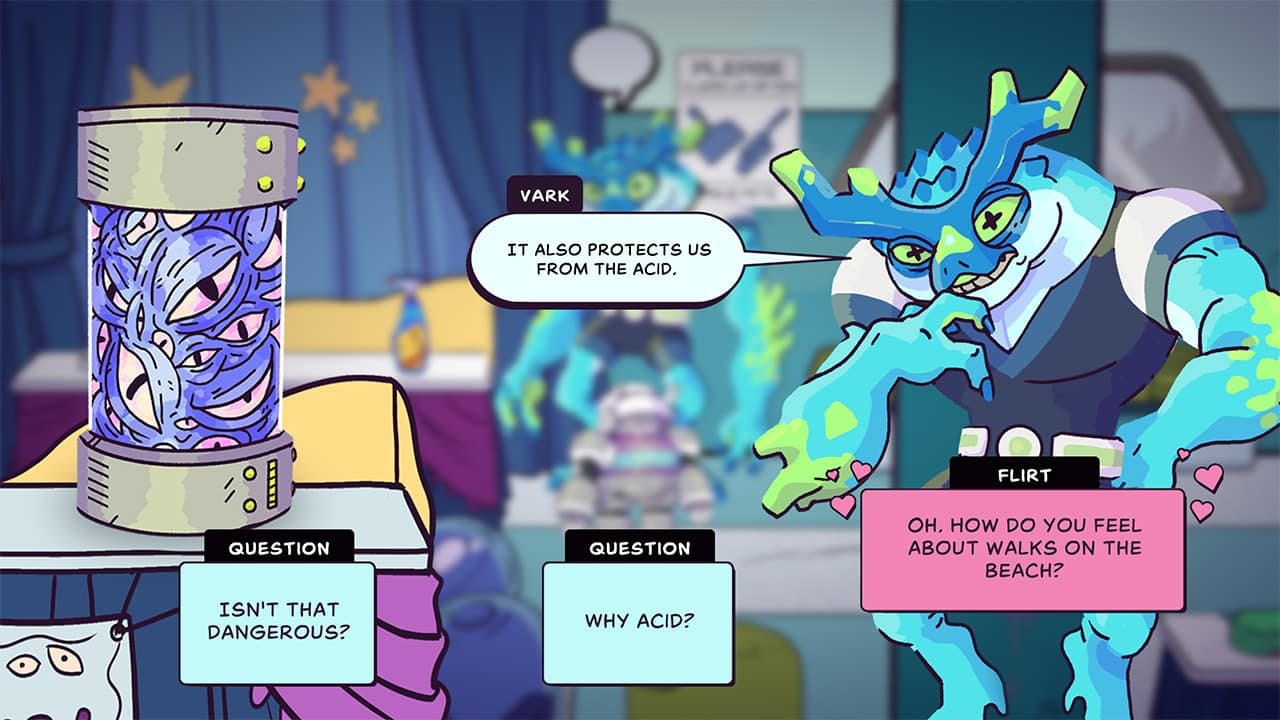
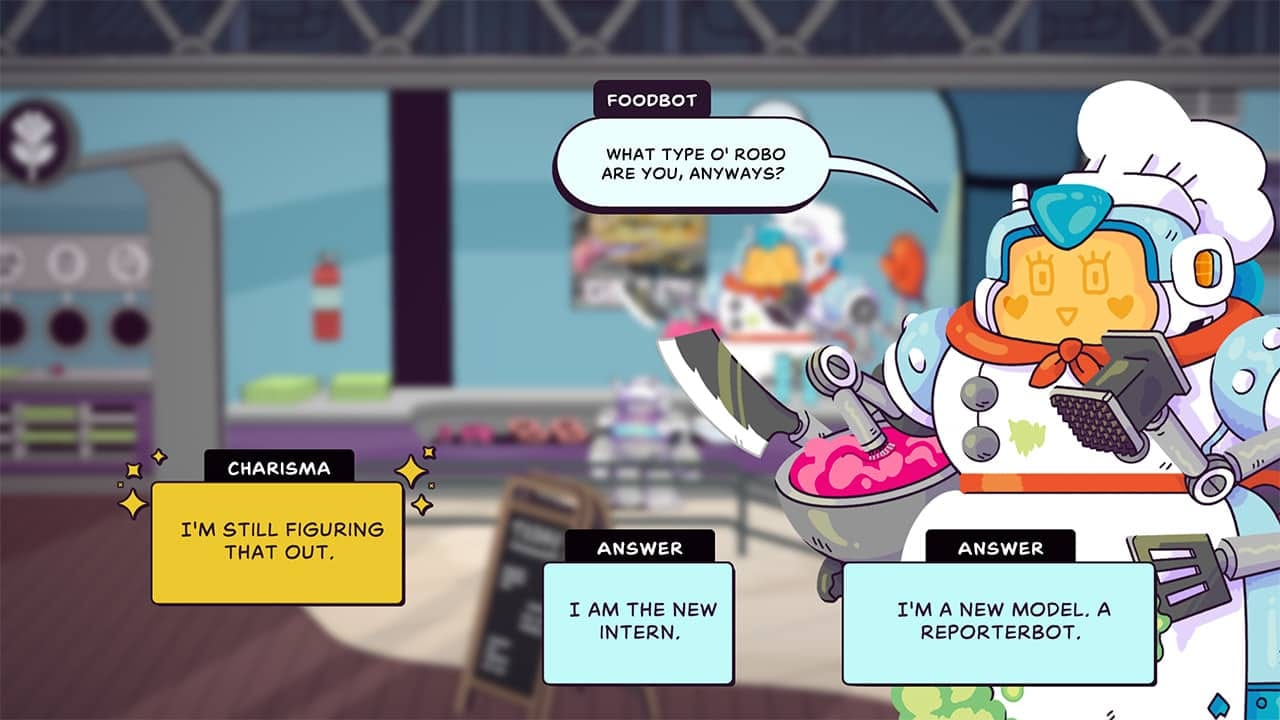
The true triumph of Times & Galaxy lies in its meticulously crafted gameplay loop, which mirrors the often-chaotic rhythm of actual journalism. Players are thrust into scenarios requiring swift investigation: gathering evidence, observing the environment with a "Scanner" tool (more on that later), and crucially, conducting interviews. The dialogue system is where the game’s satirical edge truly shines. Each character, regardless of their societal standing, offers a snippet of the larger truth, often shrouded in personal bias or bureaucratic obfuscation. Unpacking these layers feels genuinely rewarding, demanding a critical ear and a sharp memory.
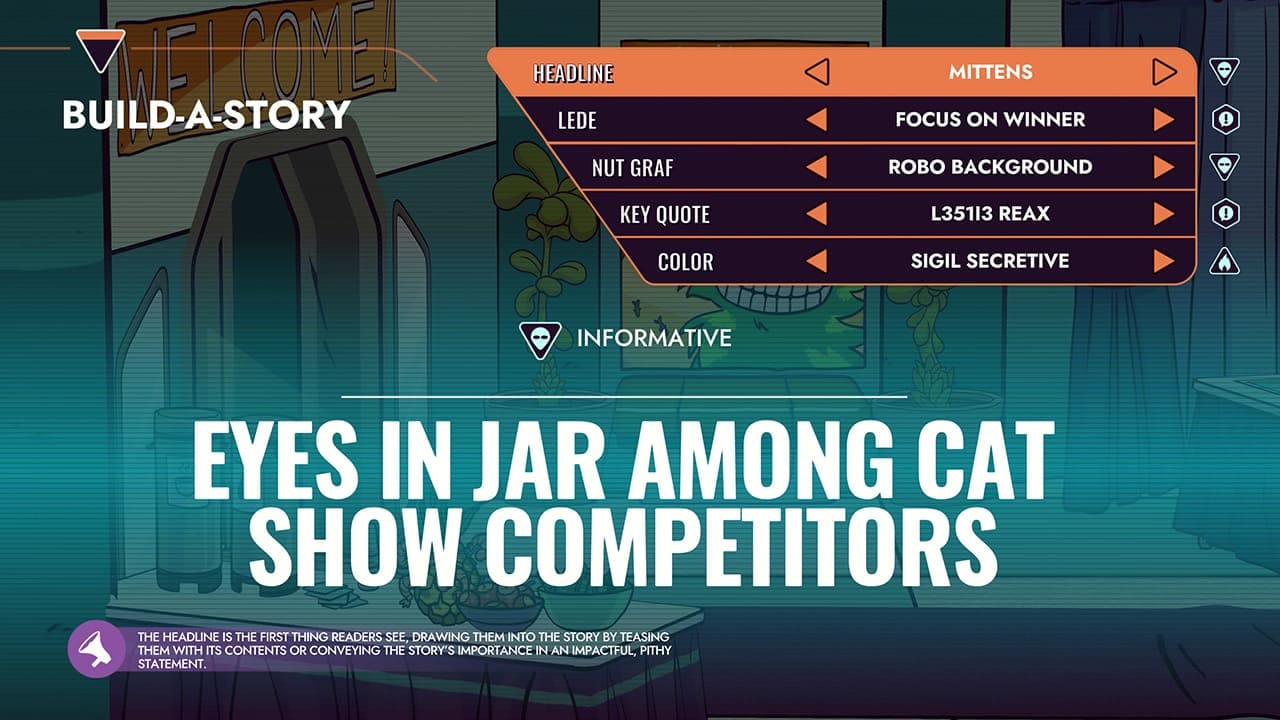
However, the centerpiece is undeniably the "Build-a-Story" tool. This isn't a mere choose-your-own-adventure branching path; it's a granular narrative construction kit. After gathering information, players assemble their articles, selecting key facts, framing events, and choosing their angles. The genius here is the immediate, palpable feedback. A well-constructed report garners praise, informs the public, and potentially shifts the narrative tide. A sloppily written or biased piece can lead to repercussions, both professional and reputational. This mechanic instills a deep sense of responsibility, highlighting the power of the press with elegant efficacy. It forces players to consider not just what happened, but how it's presented, and the downstream effects of that presentation. This approach to player agency feels genuinely innovative, moving beyond simple dialogue choices to a more profound influence on the game's evolving world.
The narrative structure itself is a masterclass in world-building. The daily grind of the Times & Galaxy newsroom is offset by the truly bizarre, yet utterly compelling, stories you chase. "Intersolar cat shows" and "space ghost funerals" are not just whimsical plot devices; they serve as fertile ground for social commentary, allowing the game to explore themes of celebrity culture, grief, and the mundane nature of the extraordinary. The cast of characters, while vast, rarely feels like mere filler. Each interaction, even with a seemingly minor NPC, adds texture to the journalistic ecosystem, revealing glimpses into the lives affected by your reports. The humor is dry, intellectual, and often piercing, avoiding slapstick for a more nuanced critique of corporate media and ethical compromises.
Despite its narrative brilliance, the game isn't without its minor technical eccentricities. Reviewers have noted occasional bugs: misaligned speech bubbles can momentarily pull you from immersion, unexpected character reactions sometimes disrupt narrative flow, and the unfortunate recurrence of repeating conversations hints at underlying script hiccups. These aren't catastrophic errors, but they are perceptible blips in an otherwise polished experience, suggesting a need for a patch or two to iron out these creases. For a game so reliant on the seamless delivery of dialogue and narrative, these small fissures can, at times, become noticeable distractions. The impact is minimal, but enough to register on the critical radar.
Interface & Flow
The user interface, while functional, adheres to the established visual novel paradigm, prioritizing text and character portraits. The "Scanner" tool, used for environmental investigation, integrates well, allowing for focused exploration without overwhelming the player with extraneous UI elements. Navigation through the ship and various locales feels intuitive, minimizing onboarding friction for players new to the genre. The progression of assignments from initial briefing to final article submission provides a clear and satisfying workflow loop.