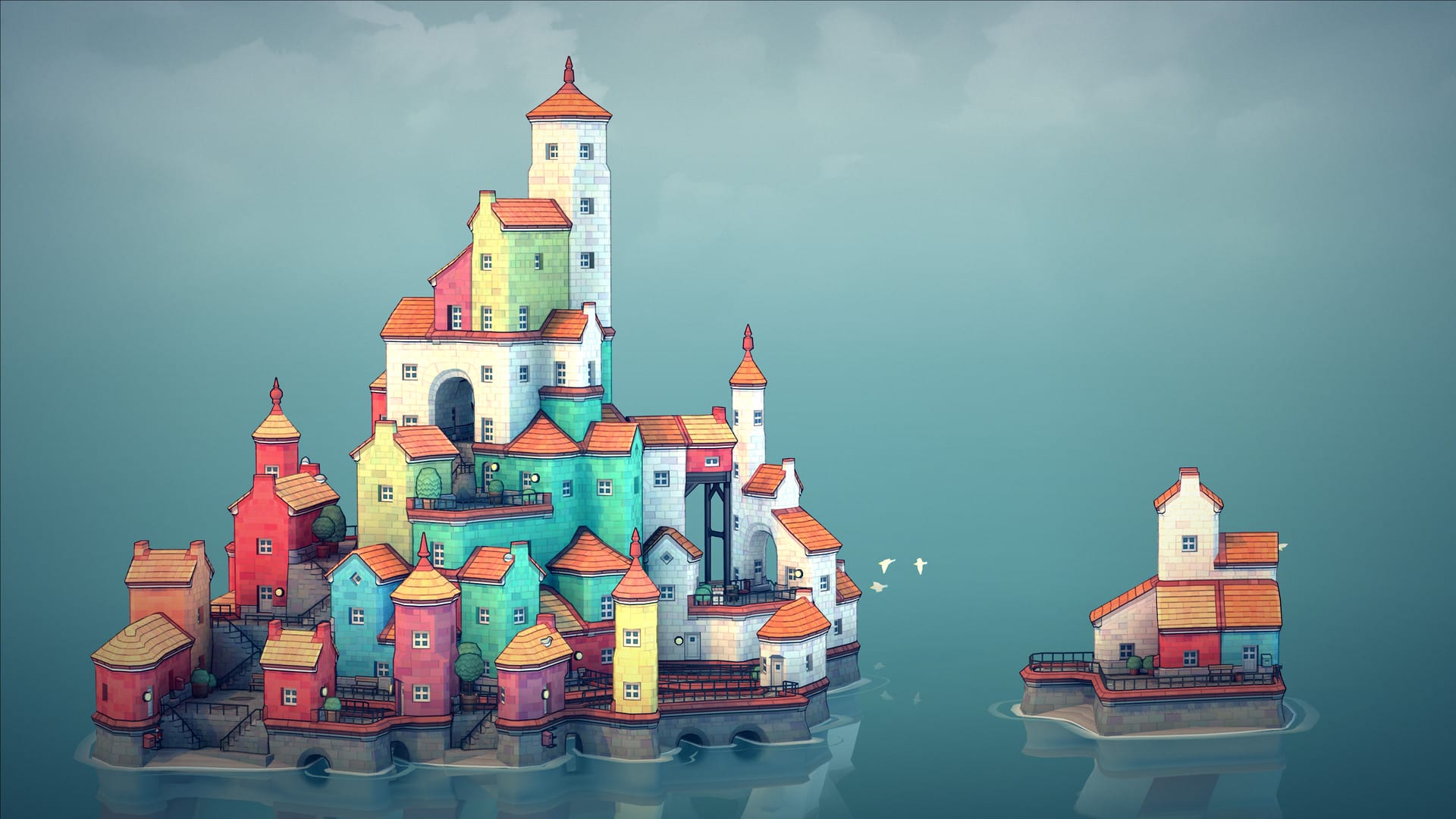

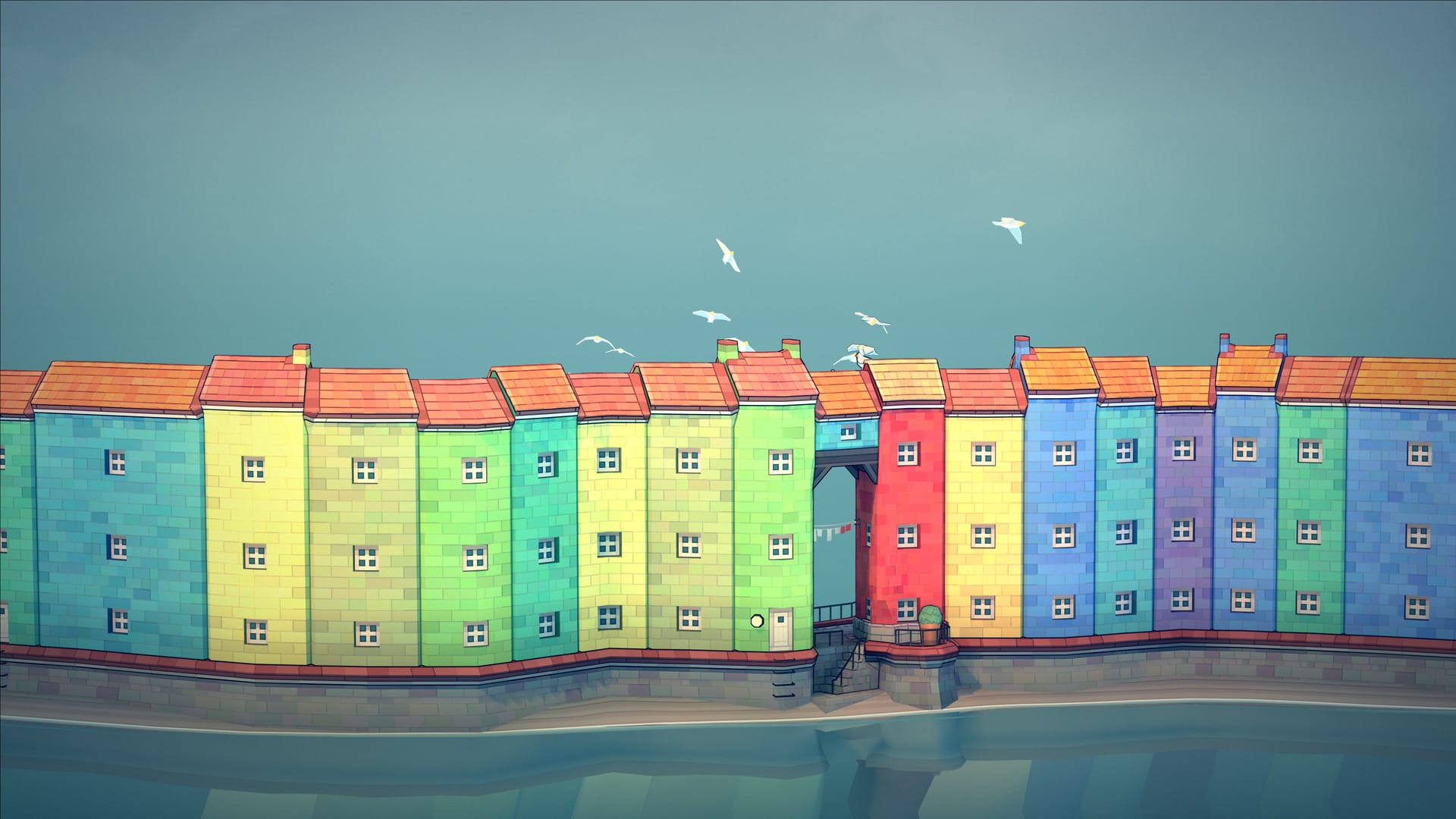
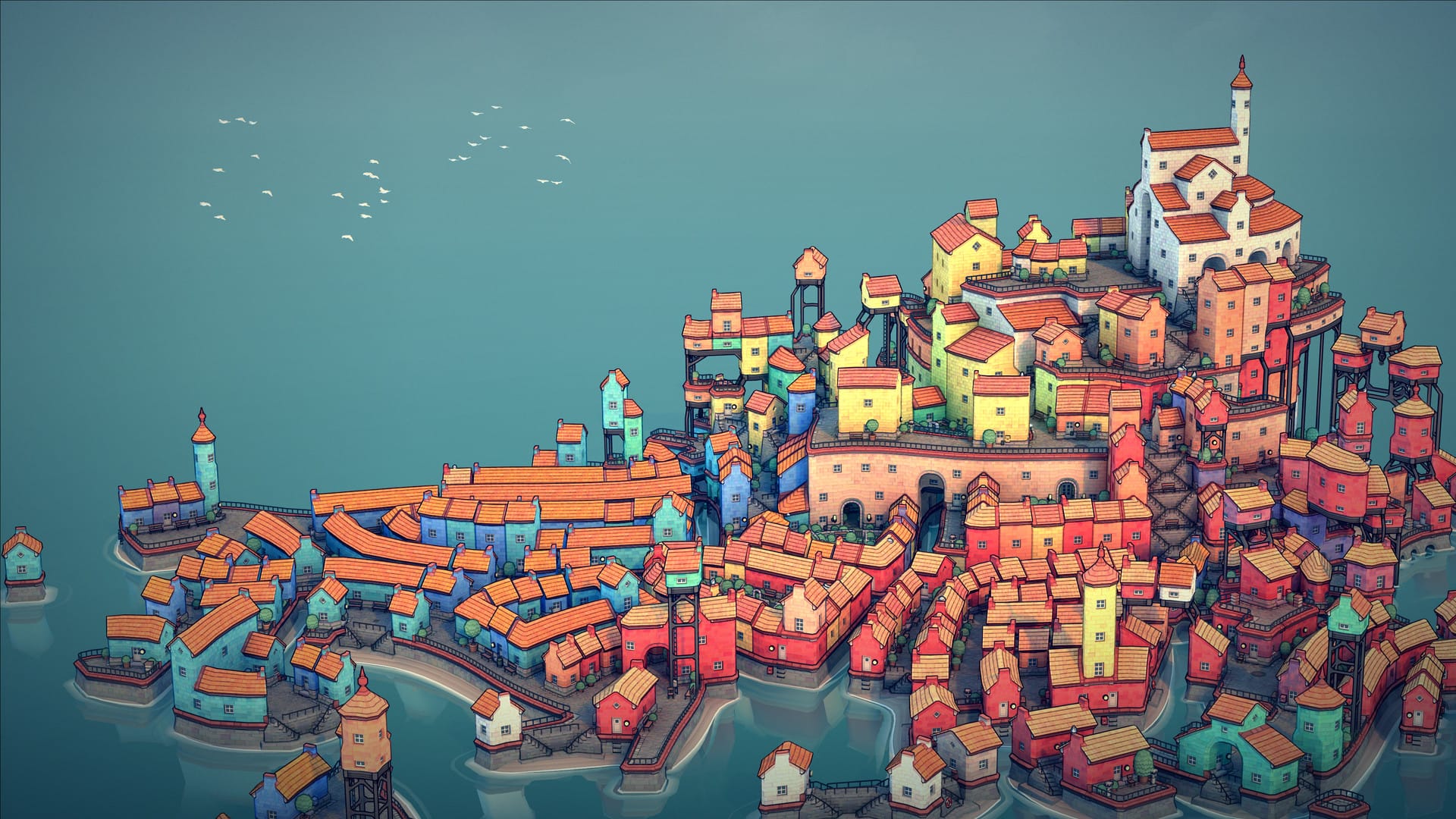
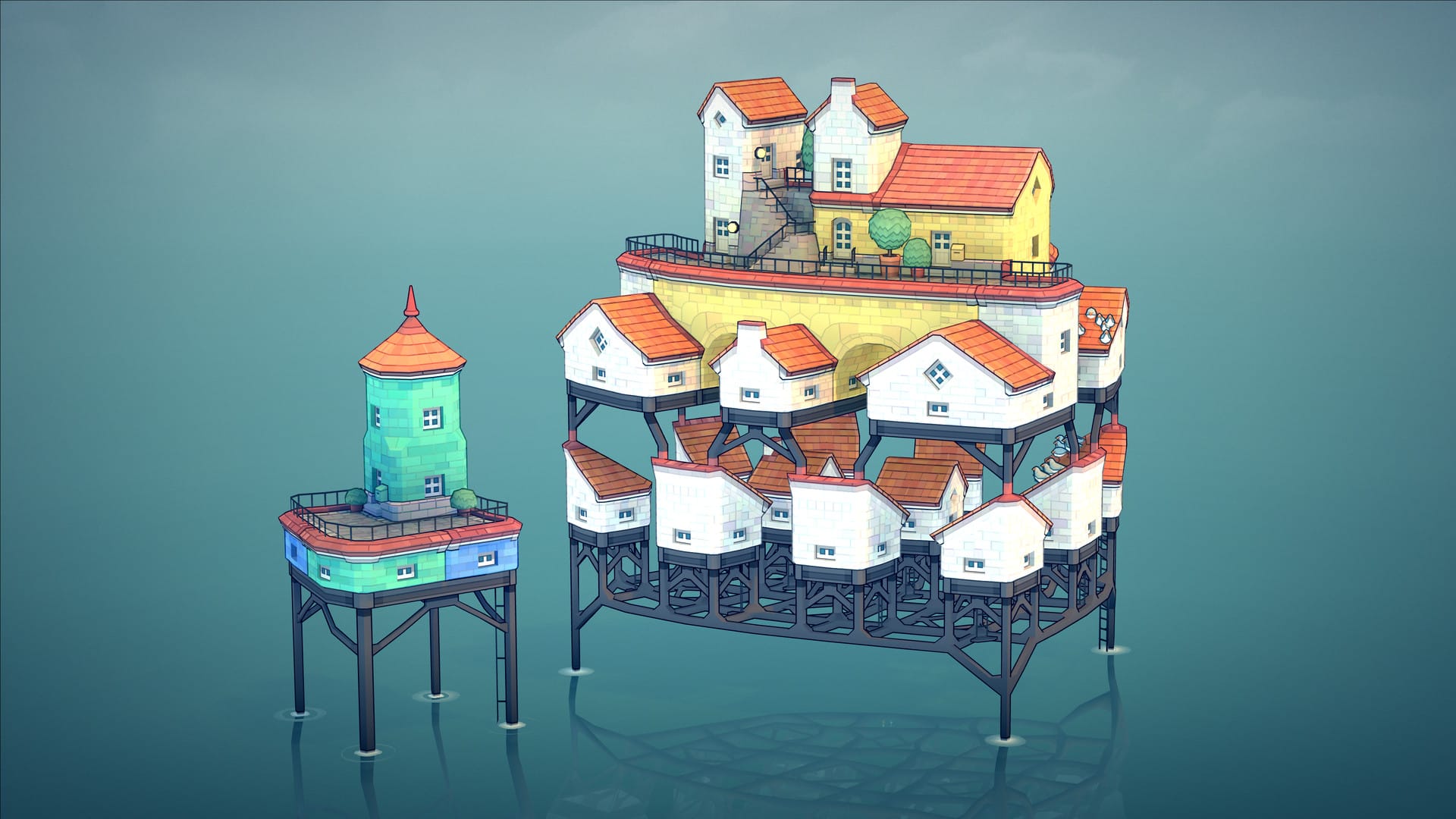
Bottom Line: Townscaper is less a game and more a meditative instrument; a beautifully focused digital toy for creating picturesque island towns with zero pressure. It achieves its narrow ambitions with breathtaking elegance.
To call Townscaper's gameplay a "loop" is to miss the point entirely. A loop implies a cycle of action and reward geared toward progression. Townscaper offers something else: a state of flow. The core interaction is a simple, satisfying "plop" as a new section of your town appears, perfectly formed. You are not a city planner meticulously laying out a grid; you are a painter dabbing colors onto a canvas, discovering the composition as you go. The algorithm is your collaborative partner, taking your simple inputs and imbuing them with a surprising architectural logic. You might try to build a towering cathedral, only to find the game has added a lovely, unexpected backyard to its base.
This is where the true genius—and for some, the potential friction—of the design lies. You are not in complete control. While you decide where to build, the algorithm decides the form. This isn't a limitation; it's a feature. It forces a letting go, a release of the desire for micromanagement that defines so many simulation games. It's the digital equivalent of working with a natural material like wood or stone, where you must respect the grain and character of the medium. The result is an emergent beauty, towns that feel organic and lived-in precisely because they weren't planned down to the last pixel. It’s a masterclass in procedural generation used not for infinite content, but for infinite charm.
Where a game like Cities: Skylines is a complex simulation of urban economics and logistics, Townscaper is a simulation of a feeling. It simulates the quiet joy of finding a beautiful, forgotten European village by the sea. The lack of any explicit goals could, for some players, lead to a sense of aimlessness after the initial novelty fades. There is no "endgame" here. The moment you tire of building is the moment the experience is over. But criticizing Townscaper for this is like criticizing a beautiful fountain for not being a swimming pool. It was never trying to be that. It is a place for quiet contemplation, a tool for generating beautiful images, a momentary escape. Its depth is not mechanical; it's emotional.