Bottom Line: Ankama's latest, Waven, presents a compellingly unique tactical RPG experience with its distinctive art and strategic combat, but its free-to-play grind and underdeveloped social aspects temper an otherwise promising cross-platform offering.
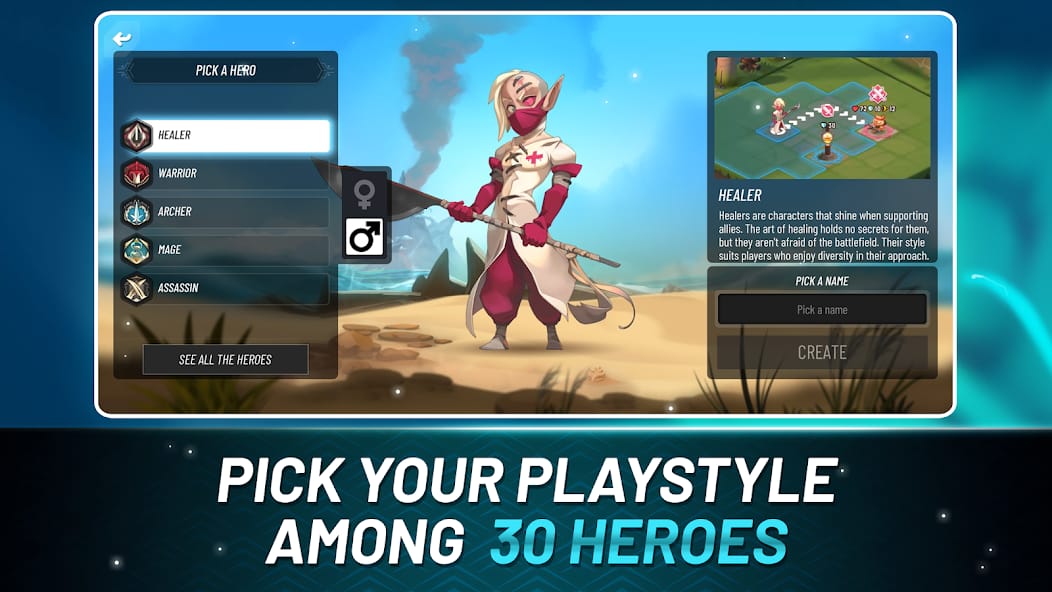
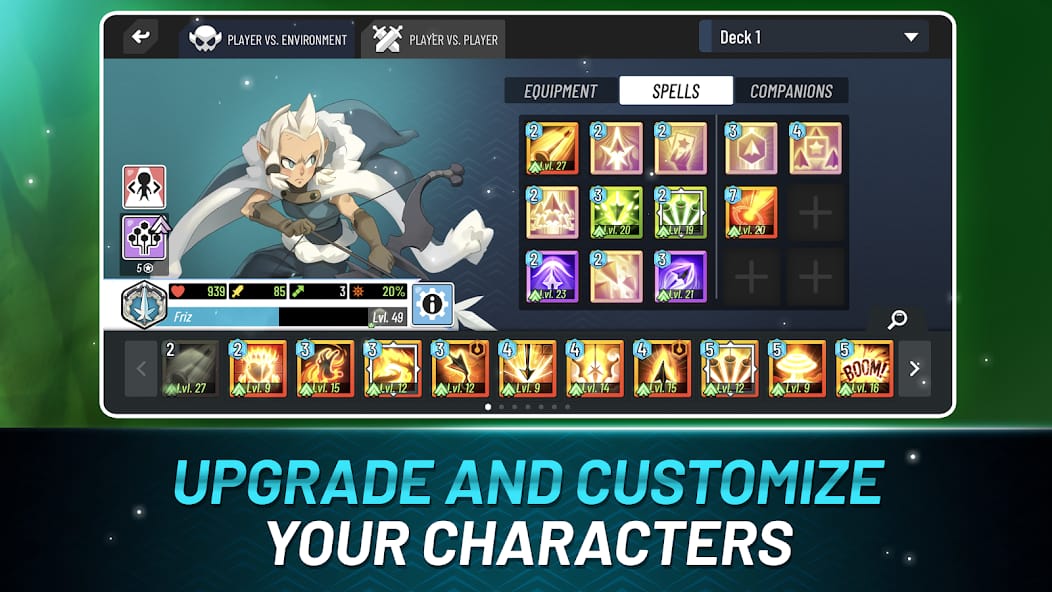
Waven, much like its predecessors, thrives on its tactical combat system. The elemental interactions are not merely cosmetic; they are the bedrock of strategy, forcing players to consider every movement, every spell cast. The design philosophy here emphasizes player agency, ensuring that success often hinges on intelligent decision-making rather than brute force or gear alone. Each hero, with their unique passive abilities and starting deck, offers a fundamentally different approach to combat, creating a strong impetus for experimentation. The sheer breadth of spells and companions available means theory-crafting extends far beyond initial character selection, allowing for constant refinement and adaptation to new challenges. This depth is commendable, providing a fertile ground for committed players to explore complex builds and emergent strategies.
However, where Waven's ambition for depth shines, its practical application frequently devolves into a familiar free-to-play conundrum: the grind. While the game offers quick play sessions, sustaining character progression to its apex demands a significant time investment, often through repetitive content loops. The initial onboarding smoothly introduces core mechanics, but soon, players are funnelled into familiar patterns of repeating battles for incremental gains. This isn't a unique failing in the genre, but Waven's particular flavor of repetition can feel more pronounced due to the relatively limited variety in combat scenarios for certain hero archetypes. The allure of extensive customization is occasionally overshadowed by the effort required to unlock and upgrade those options, a barrier that some players may find off-putting.
Gameplay Loop & Retention
The core loop of Waven involves accepting quests, engaging in combat, collecting resources, and then upgrading characters. This cycle is fundamentally sound for a tactical RPG. Where it falters, and where the "grind" criticism firmly takes root, is in the variety within these loops. While the maps change, the objective often remains "defeat all enemies," leading to a predictable rhythm. The design prioritizes replayability over narrative diversity, which is a calculated risk. For those who enjoy optimizing builds and perfecting combat execution, this repetition might be a feature, not a bug. For others, it quickly breeds stagnation. The fair monetization model, while a net positive, doesn't entirely alleviate the feeling that progression could be smoother, even without direct pay-to-win elements.
Interface & User Experience
Ankama’s distinctive art style translates well into the user interface, maintaining a clean, whimsical aesthetic. Information density is managed effectively, presenting complex tactical data without overwhelming the player. However, the UI isn't without its quirks. Minor control difficulties, particularly on mobile, suggest areas where the cross-platform ambition clashes slightly with platform-specific design principles. While the art direction is universally praised, the execution of certain UI elements could benefit from further refinement to enhance intuitive navigation and interaction, especially for players unfamiliar with Ankama's unique visual language. The onboarding process, while functional, could do more to elucidate the deeper nuances of elemental interactions and spell synergies beyond basic tutorials.