

Bottom Line: Giant Sparrow's masterpiece isn't just a game; it's a profound, interactive anthology of a family's beautiful and heartbreaking history. It sets a new benchmark for narrative-driven experiences.
The triumph of What Remains of Edith Finch is in its execution of a simple, powerful idea: empathy through interaction. The game’s design rejects the traditional power fantasy of the medium. You are not a hero; you are a witness. The primary gameplay loop consists of exploring the labyrinthine Finch home, finding the sealed-off bedroom of a relative, and unlocking a story that transports you into their final moments.
A Symphony of Mechanics
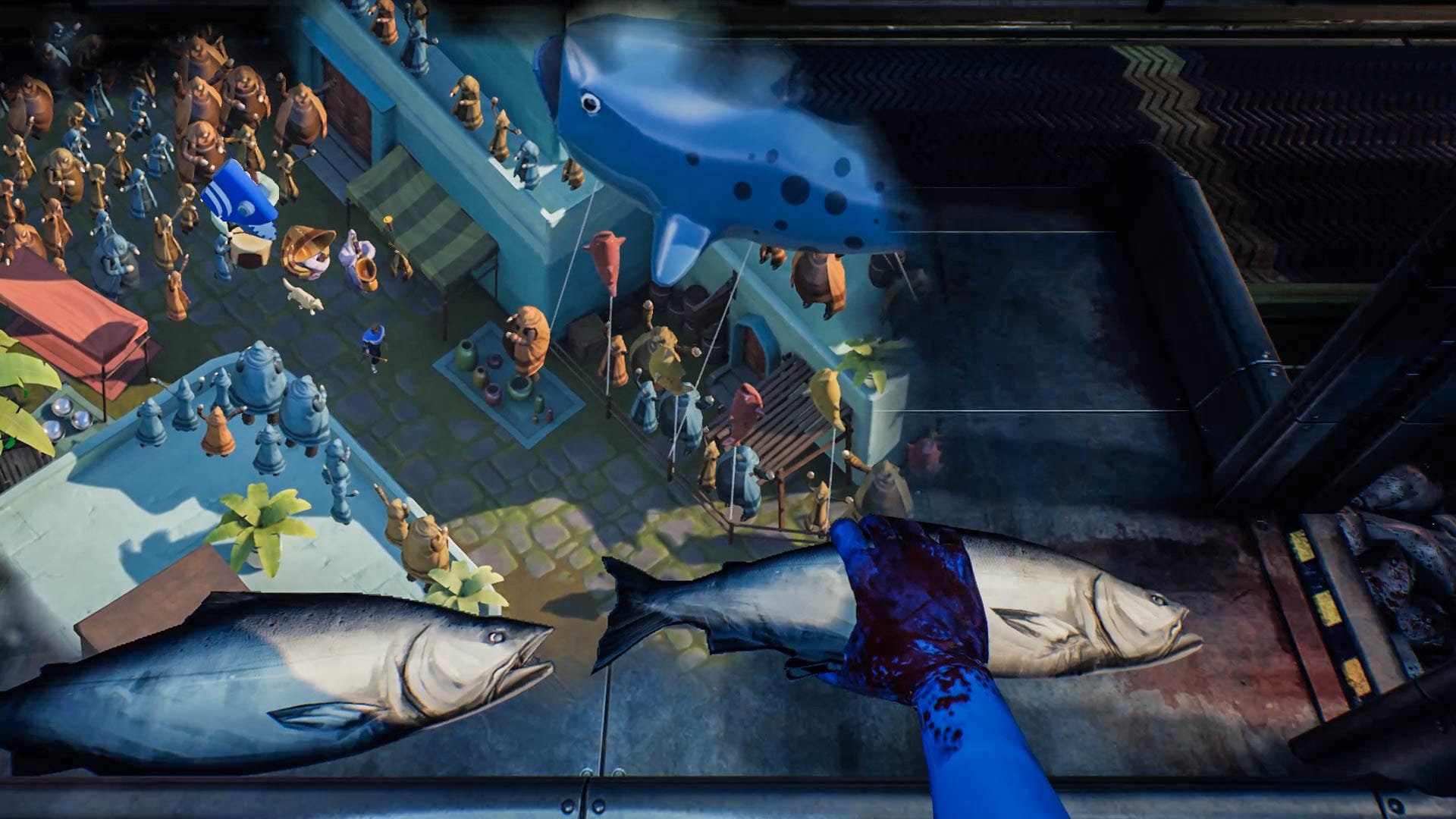
Each of these vignettes is a marvel of design. They are not merely cutscenes but bespoke interactive experiences that mechanically mirror the character's state of mind. When you experience the story of Lewis, a cannery worker who loses himself in a daydream, the game splits its controls. One thumbstick controls the mundane task of chopping fish heads, while the other navigates an increasingly elaborate fantasy world that gradually consumes the screen. It’s a brilliant, tangible representation of a dissociating mind. In another, you become a series of animals—a cat, an owl, a shark—embodying a young girl's hunger. These are not complex challenges; the game holds your hand, guiding you through the narrative. The point isn't to test your skill but to place you directly into the character's perspective, to make you feel their joy, their delusion, their final, tragic moments. This variety is the game's greatest strength, transforming what could have been a passive "walking simulator" into an ever-evolving, deeply engaging experience.
A World That Breathes History
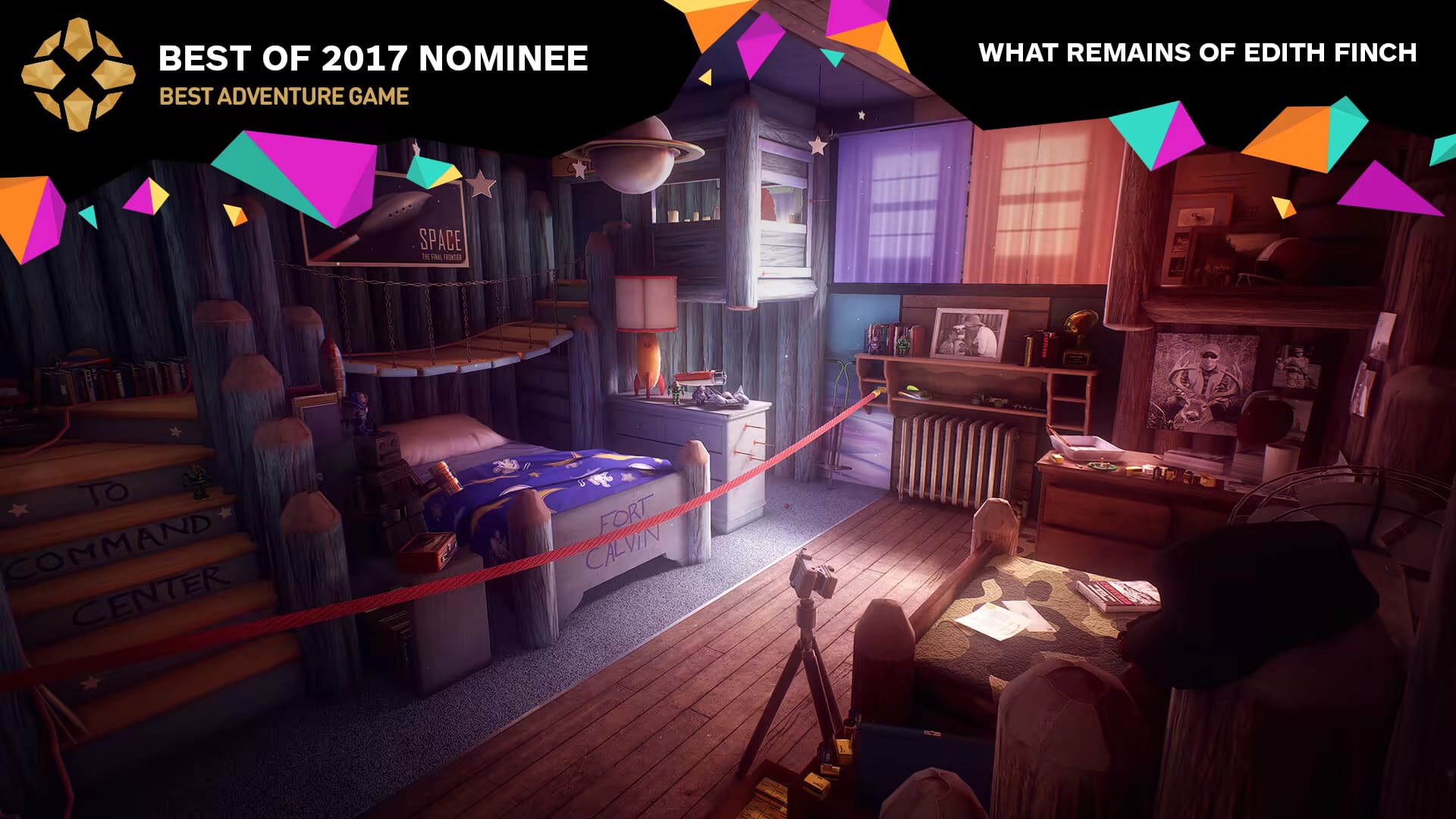
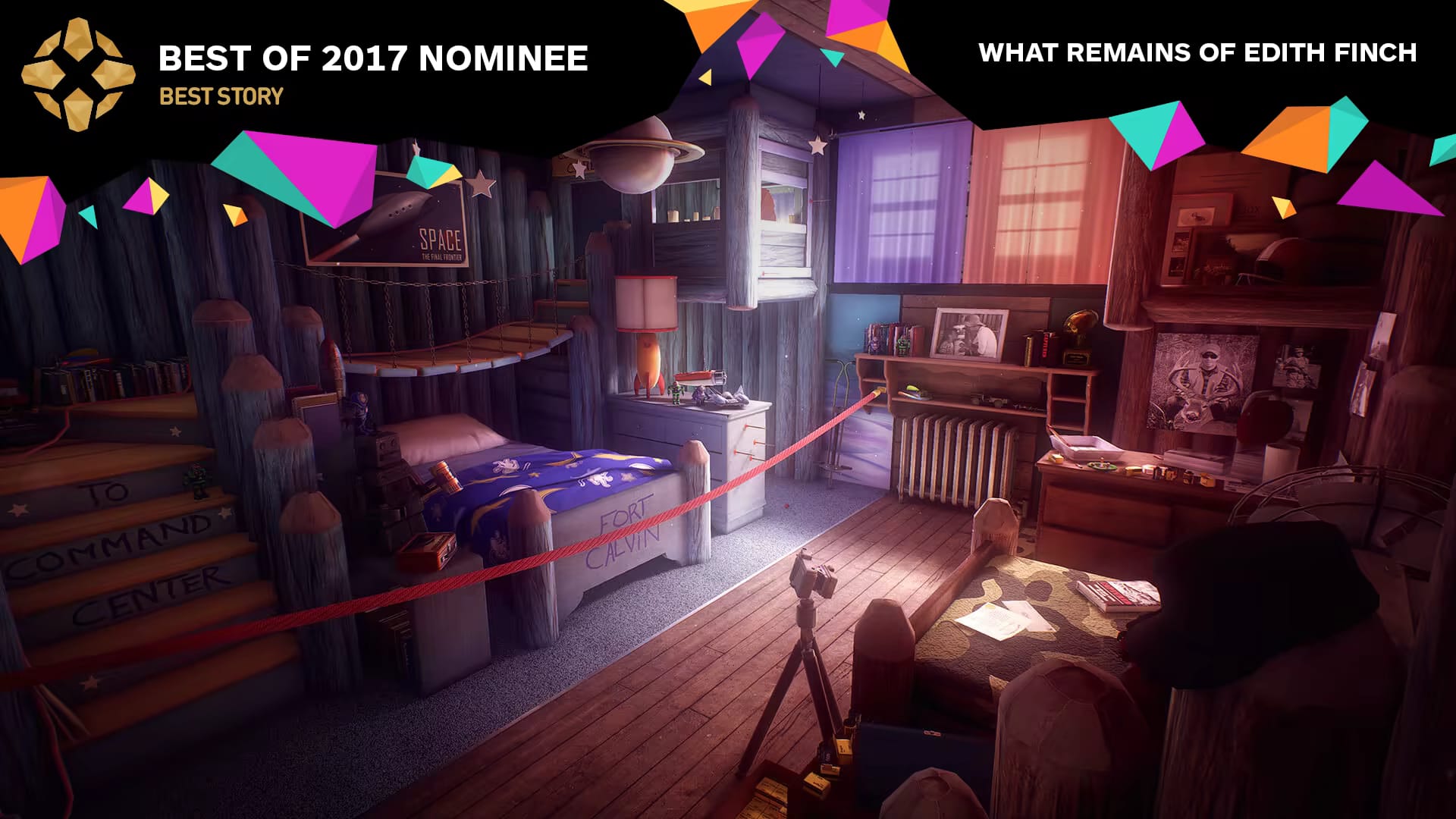
The Finch home is one of the most memorable settings in modern gaming. It's an architectural impossibility, a vertical stack of additions bolted onto a foundational structure, each room a time capsule from a different era. Giant Sparrow's artists have filled this space with a staggering level of detail. Peeking through a window, you don’t see a generic texture; you see a fully rendered room below, books on the shelves, photos on the walls. This density makes the house feel lived-in, haunted not by ghosts, but by the tangible echoes of the people who were there. The narration, provided by Edith as she writes in her journal, is seamlessly integrated. As you look at an object, text appears on the screen, flowing over the environment like a physical part of the world. This technique is both stylistically beautiful and functionally brilliant, guiding the player's eye without intrusive UI elements.