
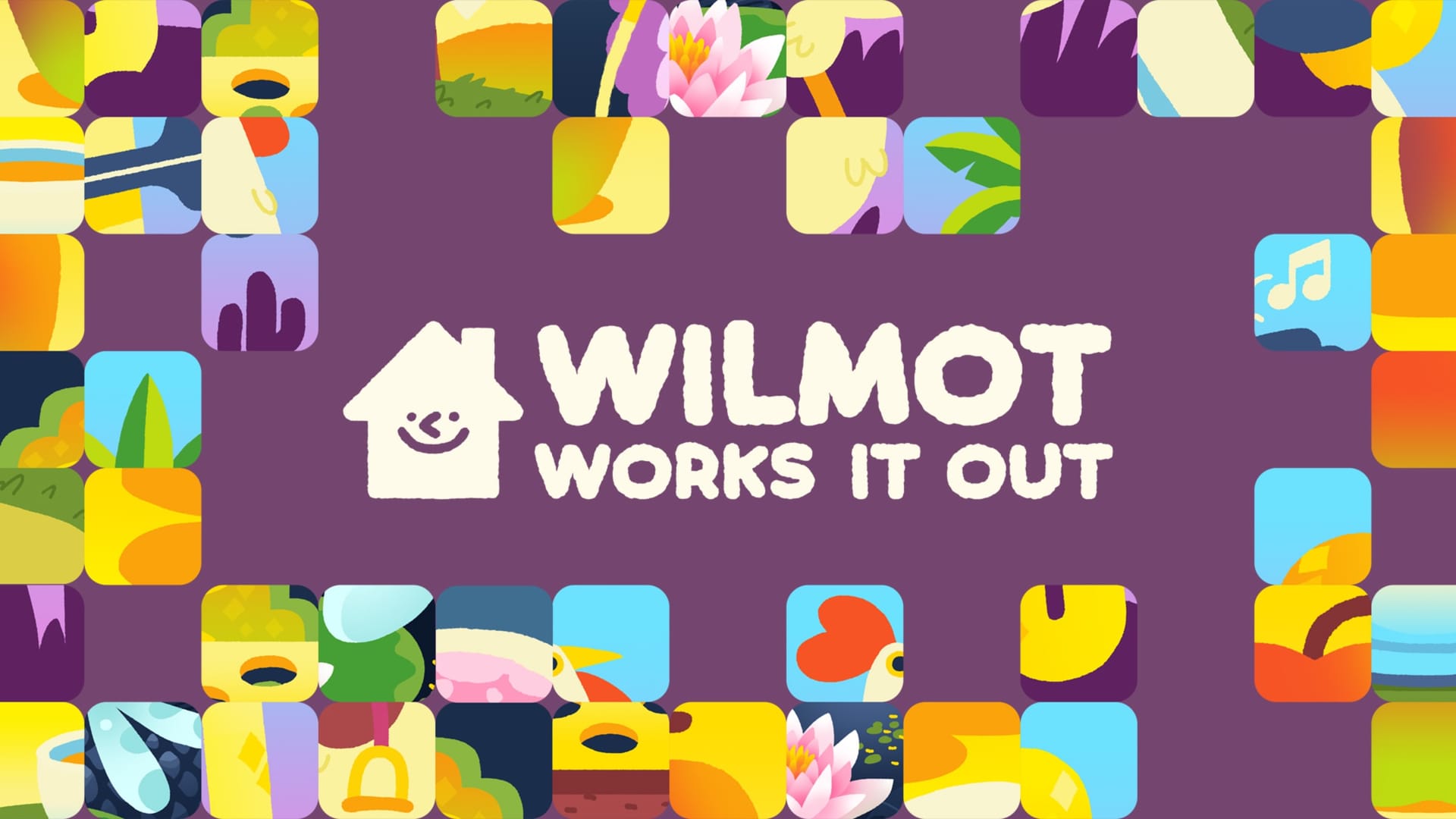



Bottom Line: Hollow Ponds' latest offers a serene, almost hypnotic descent into structured chaos, trading the frenetic inventory management of its predecessor for a meditative, intuitive puzzle experience that redefines "cozy gaming."
Wilmot Works It Out fundamentally understands the allure of the jigsaw puzzle: not the frantic race against a timer, but the deliberate, almost ritualistic act of turning chaos into order. The game's primary innovation lies in its eschewal of explicit target images. This decision isn't merely a stylistic flourish; it is a profound alteration of the puzzle-solving paradigm. Players aren't matching a known quantity; they are discovering it piece by piece. This demands a different cognitive muscle—one of emergent pattern recognition and fluid adaptation rather than rigid deduction. The game effectively trains the player's eye to discern subtle thematic cues and inherent geometries, transforming what could be frustrating ambiguity into a gratifying process of artistic revelation.
The meditative loop is the core of its appeal. Picking up a cluster of pieces, rotating them, testing them against existing structures, and finally snapping them into place provides a tangible, almost tactile satisfaction. The "chilled out" experience isn't a passive one; it's an active engagement with a system designed to induce a state of flow. The gentle "click" of correctly aligned pieces, the subtle visual feedback, and Rainsberry's unobtrusive score all conspire to create an environment conducive to extended play sessions. This is particularly true in Marathon Mode, which distills the game to its purest form, removing any meta-game distractions and allowing players to simply build.
However, this deliberate simplicity is a double-edged sword. While the initial hours are a masterclass in elegant design, the game's inherent lack of variety can lead to a sense of repetitiveness over its 8-10 hour playtime. The core mechanic, while satisfying, doesn't evolve significantly. New puzzles introduce different shapes and broader canvases, but the fundamental act of fitting remains constant. For some, this consistency is precisely the draw—a comforting predictability. For others, particularly those accustomed to puzzle games that introduce escalating complexity or novel mechanics, the experience may plateau. The narrative, while charming in its understated way, serves mostly as window dressing; Wilmot's motivation is established and then largely recedes into the background, a benign presence rather than a driving force. The adoption of a pet, while undeniably cute, adds little in terms of gameplay depth, acting primarily as an aesthetic companion rather than an interactive element. This isn't necessarily a flaw, but an intentional design choice that prioritizes tranquility over narrative or mechanical extravagance. The house customization further reinforces the personal, introspective nature, allowing players to imprint their success onto a digital space, creating a private sanctuary of completed art. It's a clever way to provide a sense of progression without resorting to external pressures.