
Bottom Line: Wreckfest isn't just a racing game; it's a physics-driven celebration of automotive destruction that masterfully balances sophisticated damage modeling with immediately accessible, metal-crunching fun.
The Physics of Brutality
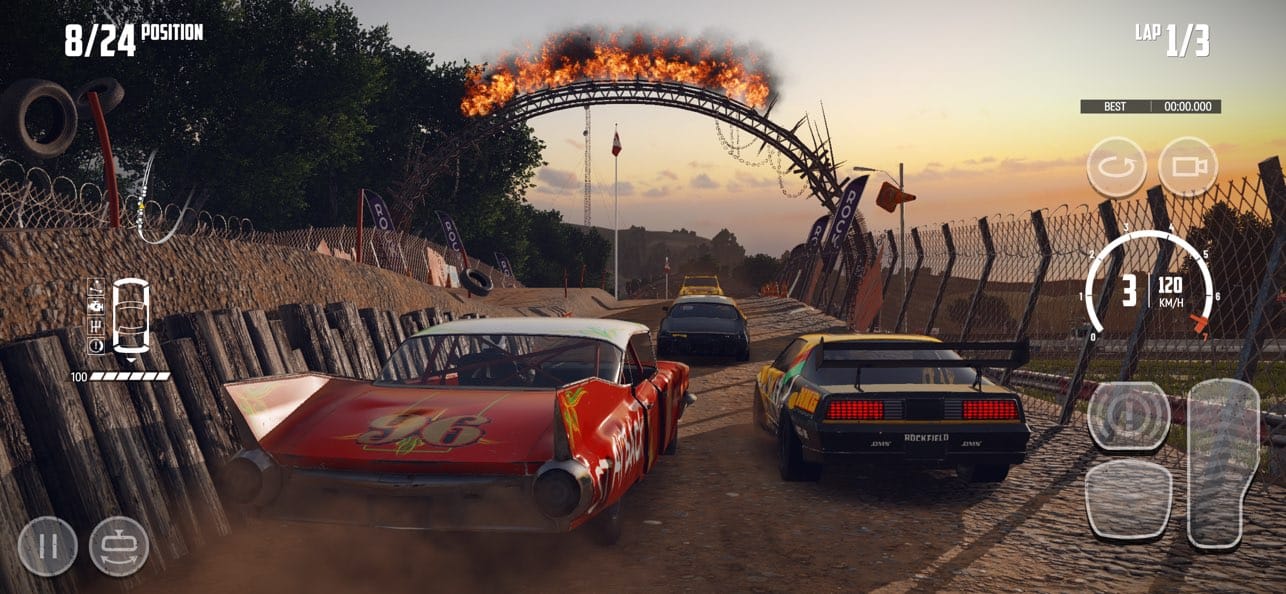
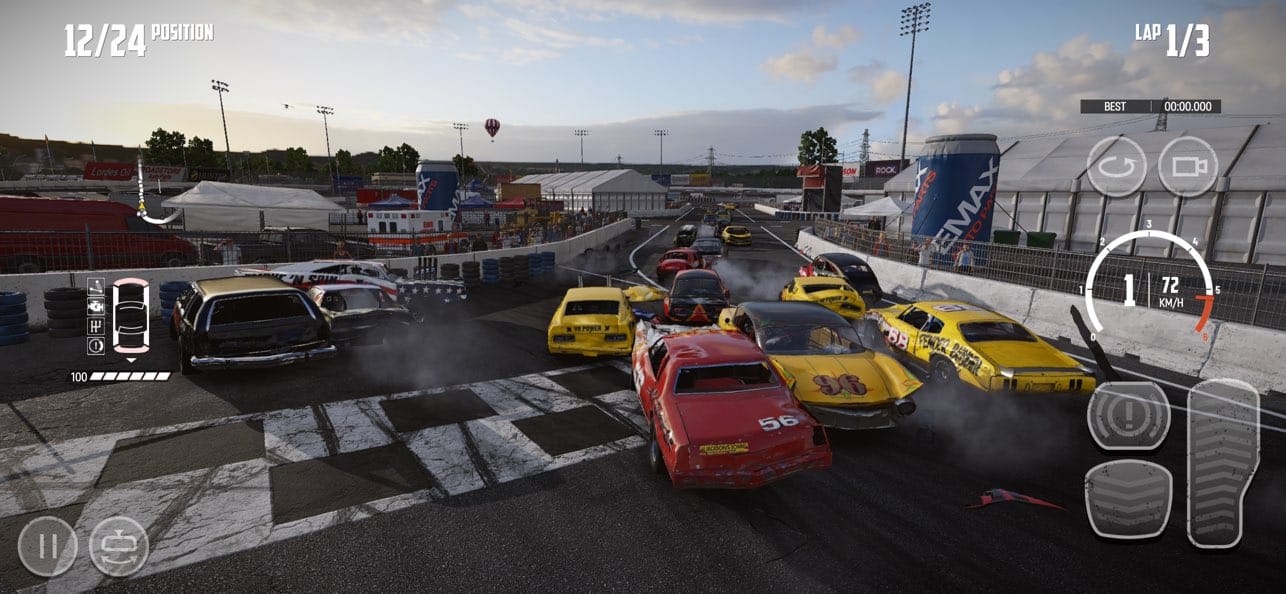
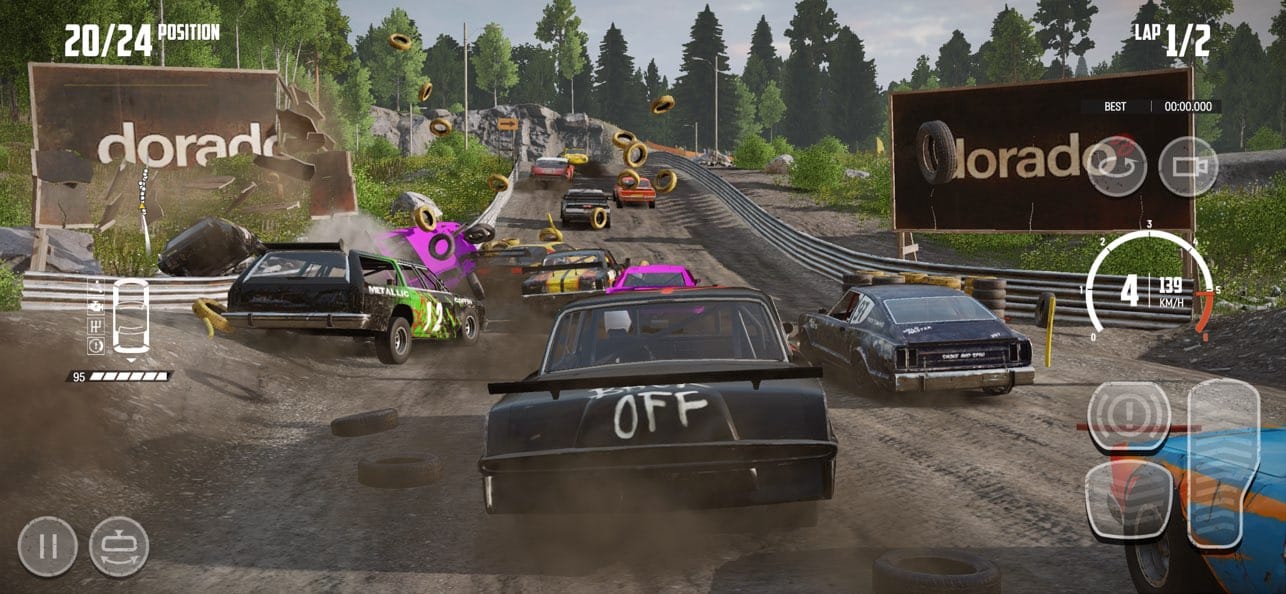
The soul of Wreckfest resides in its physics engine. Where other games treat collisions as a momentary inconvenience, Wreckfest makes them the central mechanic. The soft-body modeling is the star. Every impact carries a sense of terrifying momentum and consequence. You feel the difference between a glancing blow that merely scrapes off some paint and a T-bone collision that buckles your chassis and sends you spinning. This system elevates the game from a simple racer to a dynamic simulation of destruction.
Managing damage becomes the core strategic loop. Do you nurse a sputtering engine and a car that pulls hard to the right just to cross the finish line, or do you go out in a blaze of glory by taking an opponent with you? This constant risk-reward calculation is what makes every race feel unscripted and thrilling. The game forces you to become a better driver not by memorizing perfect racing lines, but by learning how to give—and take—a hit. You learn to use a rival's car as a mobile berm on a tight corner or to nudge an opponent just enough to send them into the path of oncoming traffic. It’s a form of high-speed, vehicular chess where every piece is a disposable wrecking ball.
A Glorious, Muddy Career
Progression in Wreckfest is refreshingly straightforward and deeply satisfying. The career mode is a long and winding journey through various championships, each comprising a mix of races and derbies. You earn experience points not just for placing first, but for causing wrecks, spinning out rivals, and leading laps. This brilliantly aligns the reward structure with the game’s destructive ethos; you are encouraged to drive aggressively at all times.
This XP feeds into your player level, unlocking new vehicles and upgrade parts. The currency you earn from events is spent on buying those cars and parts. The loop is simple: compete, earn, upgrade, repeat. Yet, it never feels like a grind. The sheer fun of the events themselves provides intrinsic motivation, and the constant stream of new, bizarre vehicles to purchase—from American muscle to European beaters and Japanese imports—keeps the garage feeling fresh. The ability to tune a car for a specific purpose adds another layer. You might build a lightweight, high-horsepower machine for dirt ovals, only to switch to a heavily armored tank for a figure-eight race where survival is paramount. This process of tinkering and experimentation is central to the game’s long-term appeal.