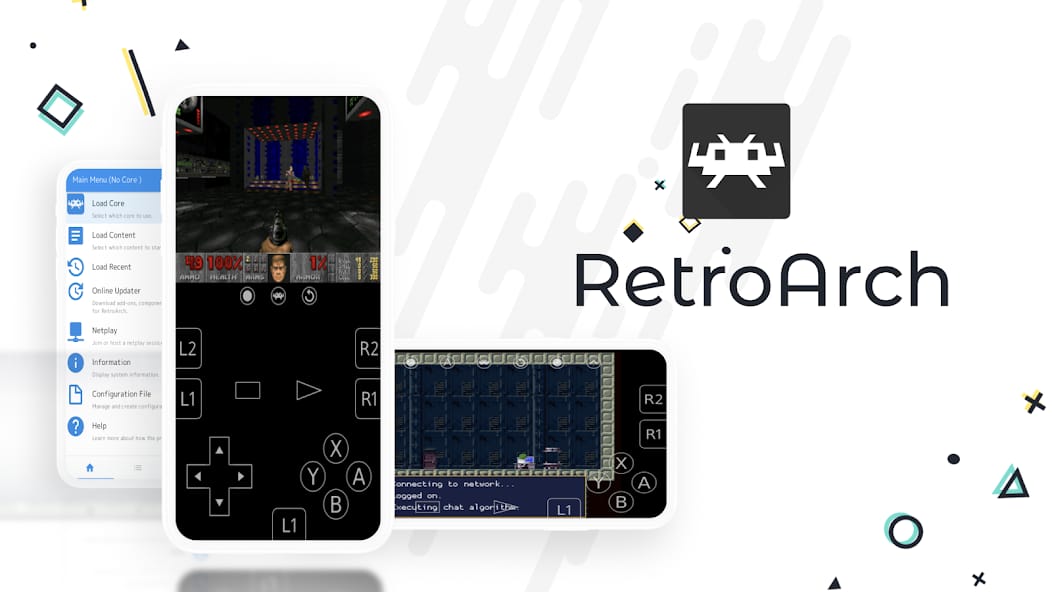

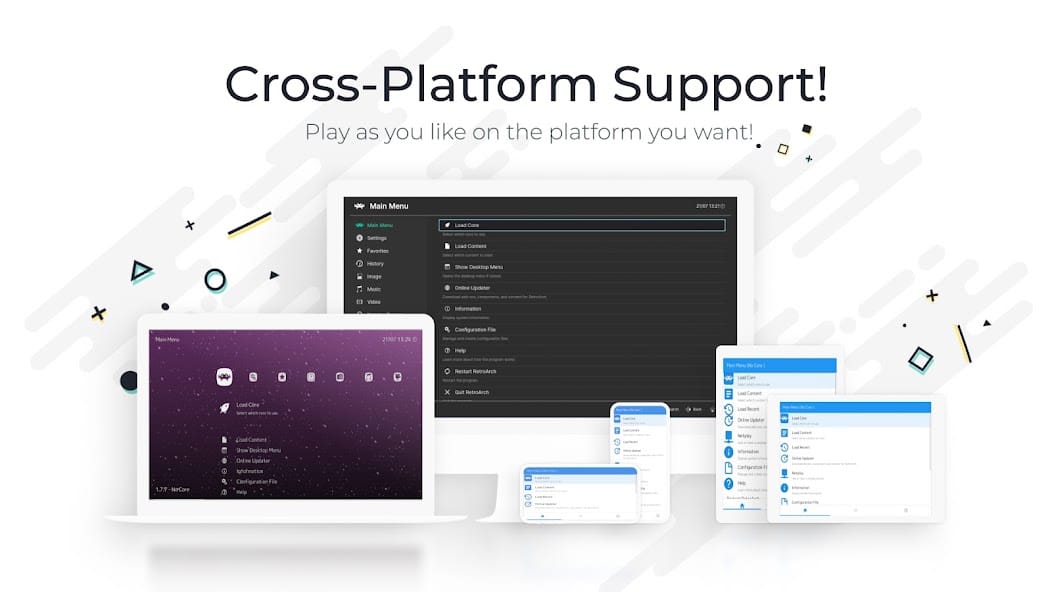
Bottom Line: RetroArch is the most capable retro gaming software ever built and one of the least welcoming. Push through the menu system and you get 100+ consoles, sub-hardware input latency, and rollback netplay for free — but the Android build will fight you first.
The onboarding problem is real, and it's not an accident
Let's be blunt about the thing every review buries in paragraph nine: RetroArch's learning curve is its defining characteristic, and the user reviews say so in unison across all three platforms. The recurring complaint isn't bugs or performance. It's that the menu system assumes you already know what it's talking about.
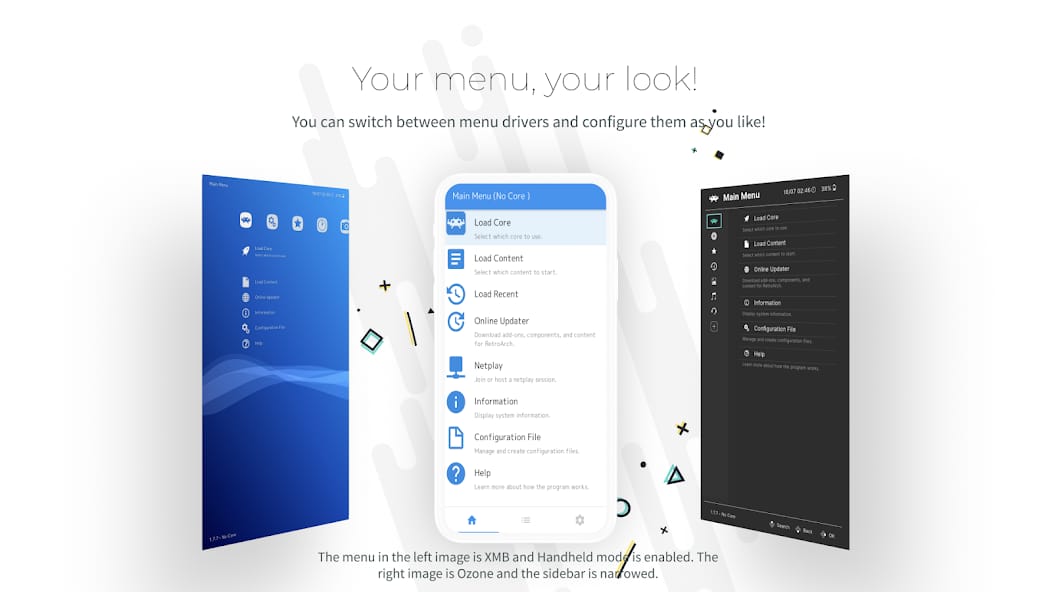
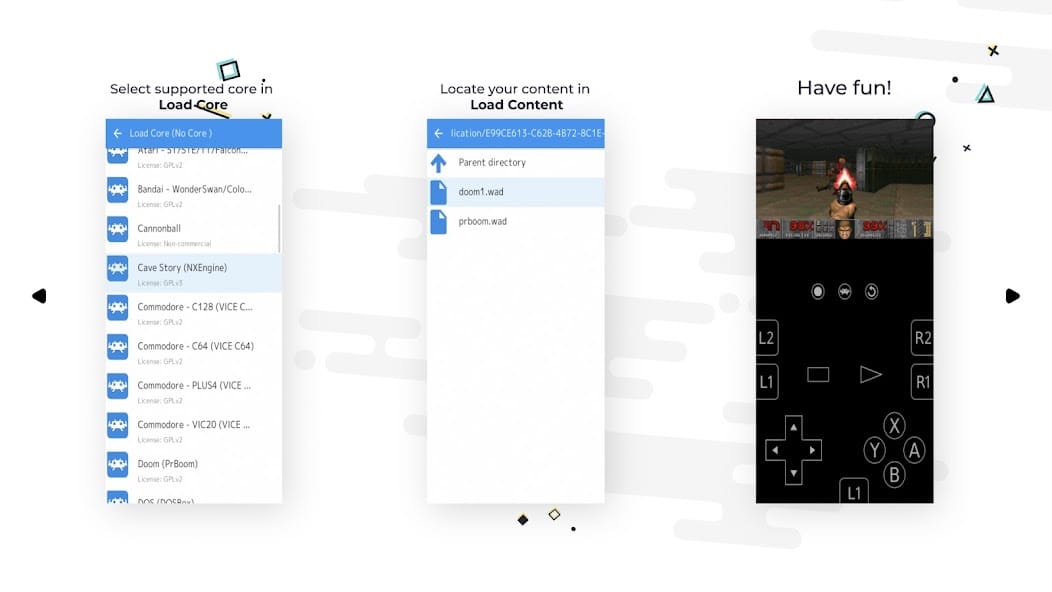
The interface is built on nested lists — Main Menu, Load Core, Load Content, Settings, and inside Settings another eleven categories with hundreds of toggles. It's navigable entirely by D-pad, which is a deliberate design choice for the couch and the handheld and a genuinely good one. But it's organized by system architecture, not by user intent. You want to play Super Mario World. RetroArch wants to know your preferred video driver, your audio latency in milliseconds, and whether you'd like to enable threaded video.
This isn't laziness. It's the honest cost of a design that refuses to hide anything, built by people who consider the settings the point. But it means the software is aggressively bad at its first five minutes and extraordinary at its five hundredth.
What you get for the pain
Runahead deserves a longer look, because it's the feature that justifies the whole project. Every emulator adds latency — the frame has to be computed, buffered, composited, and scanned out, and the input has to travel the same road in reverse. Standard emulation is meaningfully laggier than the hardware it imitates, which is why some purists never accepted it.
RetroArch's answer is to run the core one or more frames ahead internally, hold the state, and when input arrives, roll back and replay with the input applied. The frame you see already knows what you pressed. Configured well, this doesn't just match a real SNES on a CRT — it beats it. That's a legitimately remarkable engineering result, and it exists nowhere else in this form.
Rollback netplay lands in the same category. The games in your library were built for two people on one couch. RetroArch's netplay predicts remote input, runs ahead, and rewinds when it guesses wrong — the same technique that made modern fighting games playable online. Applied to a 1987 cartridge, it's a small act of resurrection.
The gameplay loop, once you're through the door
Here's the thing the difficulty curve obscures: once configured, RetroArch mostly disappears. Playlists scan your directories and present games as cover art. Hotkeys save-state, rewind, and shader-toggle without touching a menu. You launch, you play, you quit. The software you spent an evening fighting becomes something you stop noticing.
That's the deal RetroArch offers, and it's an honest one. Front-loaded friction, back-loaded payoff. Compare it to the alternative — a standalone emulator per system, each with its own quirks, none sharing your controller layout — and the ledger works out fast if retro gaming is a hobby rather than a whim.
If it is a whim, RetroArch is the wrong tool and will tell you so in the rudest way possible.
The content question
RetroArch ships no games and takes an explicit stance against piracy. Bring your own ROMs and disc images. It's a legally clean position and a practically awkward one — the app is a car with no fuel and no gas station in sight, which is another chunk of first-hour friction that isn't the software's fault but is very much the user's problem.