

Bottom Line: Dungeon Clawler is a masterclass in skeuomorphic chaos, proving that the most dangerous weapon in a dungeon isn’t a magic missile, but a poorly calibrated metal claw and a bad case of physics.
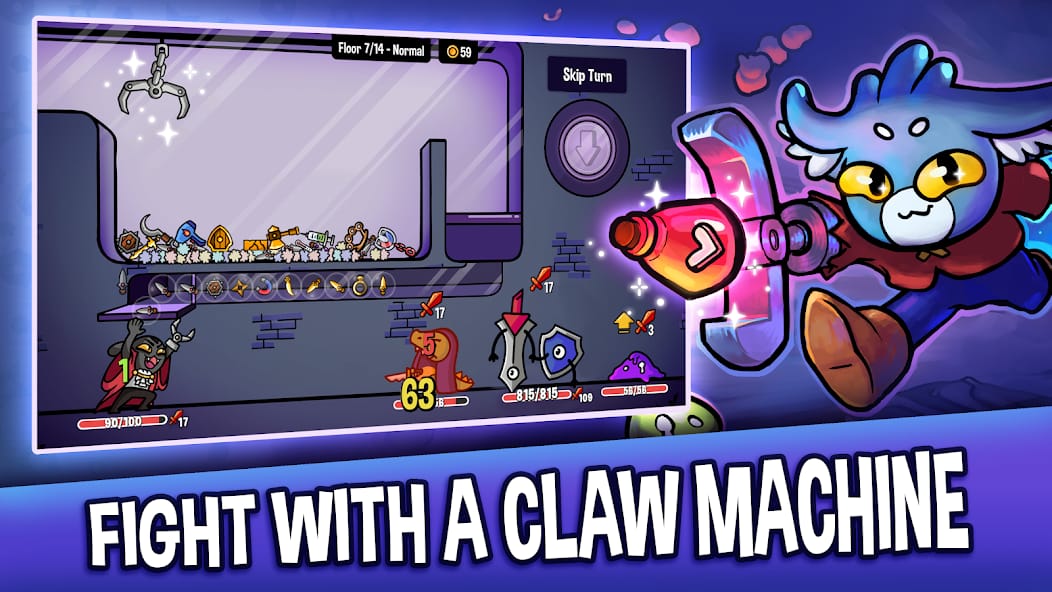
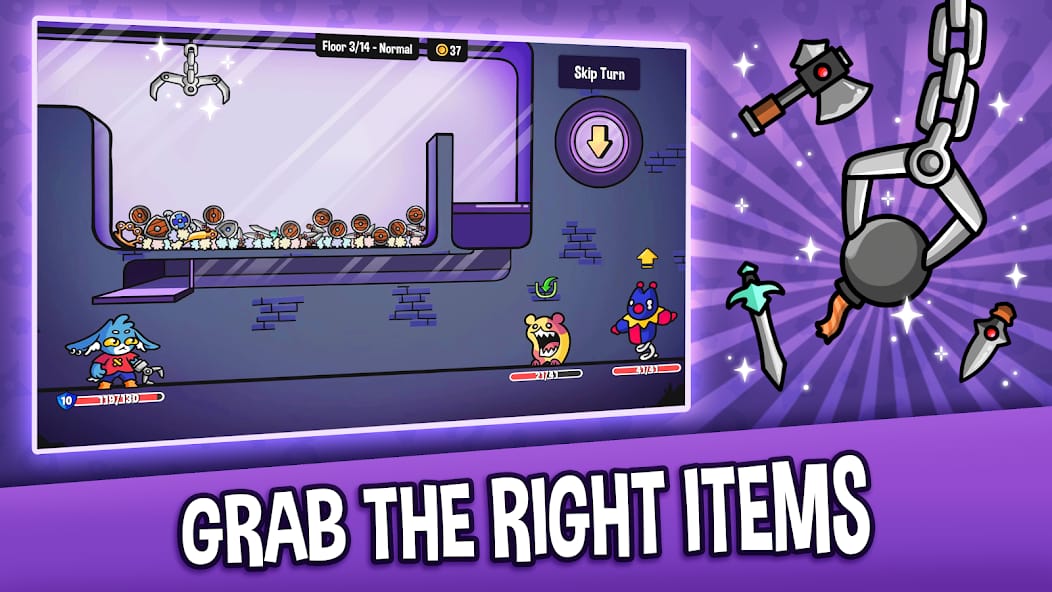
The brilliance of Dungeon Clawler lies in its refusal to play fair. Most deckbuilders are exercises in probability; you know the odds of drawing your win-condition. Here, you can see your win-condition—a massive, jagged sword or a protective aegis—resting right at the top of the pile. You drop the claw. The teeth close. And then, because the sword is top-heavy and the bin is crowded, the item slips, bounces off a health potion, and leaves you with nothing but a handful of air and a looming goblin attack.
The Kinetic Loop
This "hilarious frustration" is the game’s core engine. The transition from traditional turn-based strategy to a physics-simulated combat system introduces a layer of mechanical friction that is usually absent from the genre. You aren't just calculating damage output; you are calculating the center of mass. This creates a fascinating tension between the "strategy" phase (choosing which items to add to your bin) and the "execution" phase (actually pulling them out).
The depth emerges when you realize that your "deck" is a physical space. If you overstuff your bin with powerful, bulky items, the claw will struggle to close. If you pick too many small daggers, they might fall through the gaps. It forces a type of spatial reasoning that is genuinely refreshing. Between fights, the game offers the standard roguelike fare—mystery rooms, shops, and Pachinko machines—but even these feel more cohesive here because the entire world is built on the logic of the arcade.
Interface as Gameplay
The UI isn't just a wrapper; it's the cockpit of your survival. The claw controls need to be precise, and Stray Fawn has largely succeeded in making the "rusty" feel of the machine intentional rather than a result of poor coding. However, the early-game pace can feel somewhat glacial. Until you’ve gathered enough "perks" to mitigate the claw’s inherent clumsiness, the first five floors can feel like a repetitive exercise in missed opportunities.
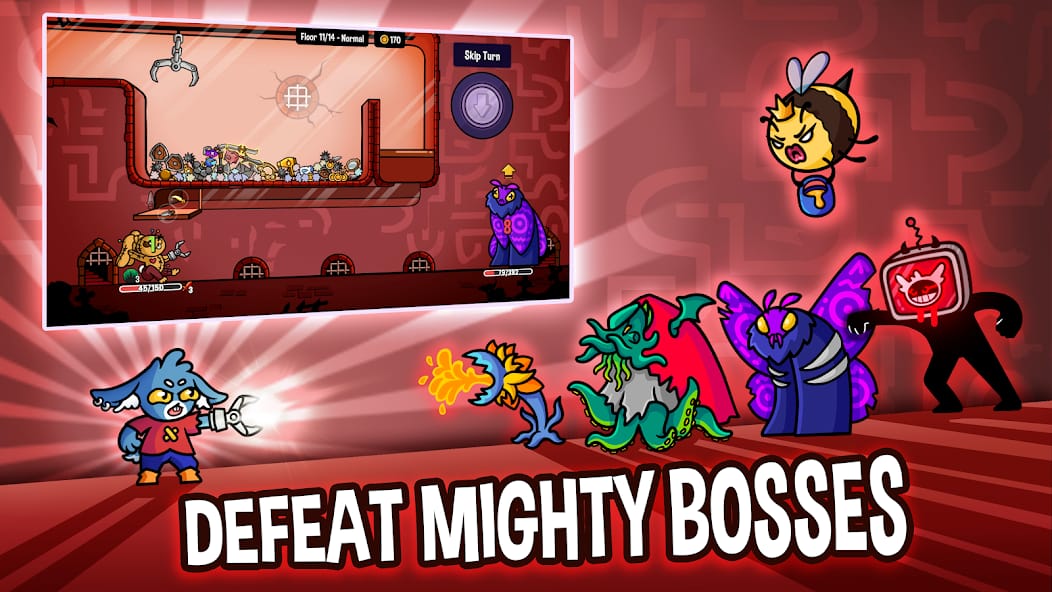
But once the synergies start clicking—when you find a perk that magnetizes the claw or adds explosive properties to everything you grab—the game transforms. You move from a desperate scavenger to a god of the arcade, clearing floors with a predatory efficiency that feels earned precisely because the initial struggle was so real. The loan shark Squalo isn't just a narrative foil; he represents the "house" that always wins, and beating the game feels like a genuine heist against the laws of physics.