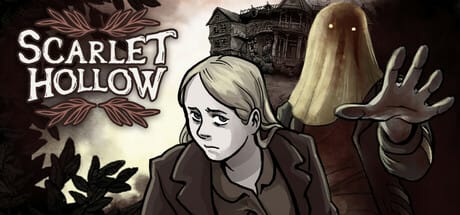



Bottom Line: Scarlet Hollow is a masterclass in branching narrative design, proving that player agency is best exercised through character-defining traits rather than binary moral choices. It is the gold standard for the modern visual novel.
The brilliance of Scarlet Hollow lies in its refusal to play fair. Most narrative games offer you the "Good" or "Bad" path, telegraphing exactly how you should feel. Black Tabby Games rejects this binary. Instead, they give you Traits. These aren't just stat boosters; they are lenses through which you view the world. If you pick Talk to Animals, you aren't just getting cute flavor text; you are uncovering hidden plot threads from the local crow population or negotiating with a terrifying cryptid. If you choose Mysterious, you're playing a different game entirely, one where your very presence unsettles the NPCs.
The Friction of Choice
The Gameplay Loop is deceptively simple: read, navigate, and choose. However, the internal logic is where the friction lives. The writers understand ludonarrative harmony better than most AAA studios. When the game asks you to make a choice, it often presents you with two terrible outcomes. You aren't choosing between right and wrong; you are choosing which part of your soul you're willing to lose to save a friend. This creates a genuine sense of Onboarding Friction for players used to "winning" games. You cannot "win" Scarlet Hollow in the traditional sense; you can only survive it, and the scars you leave on the town—and the ones it leaves on you—are permanent.
Character Depth and World Building
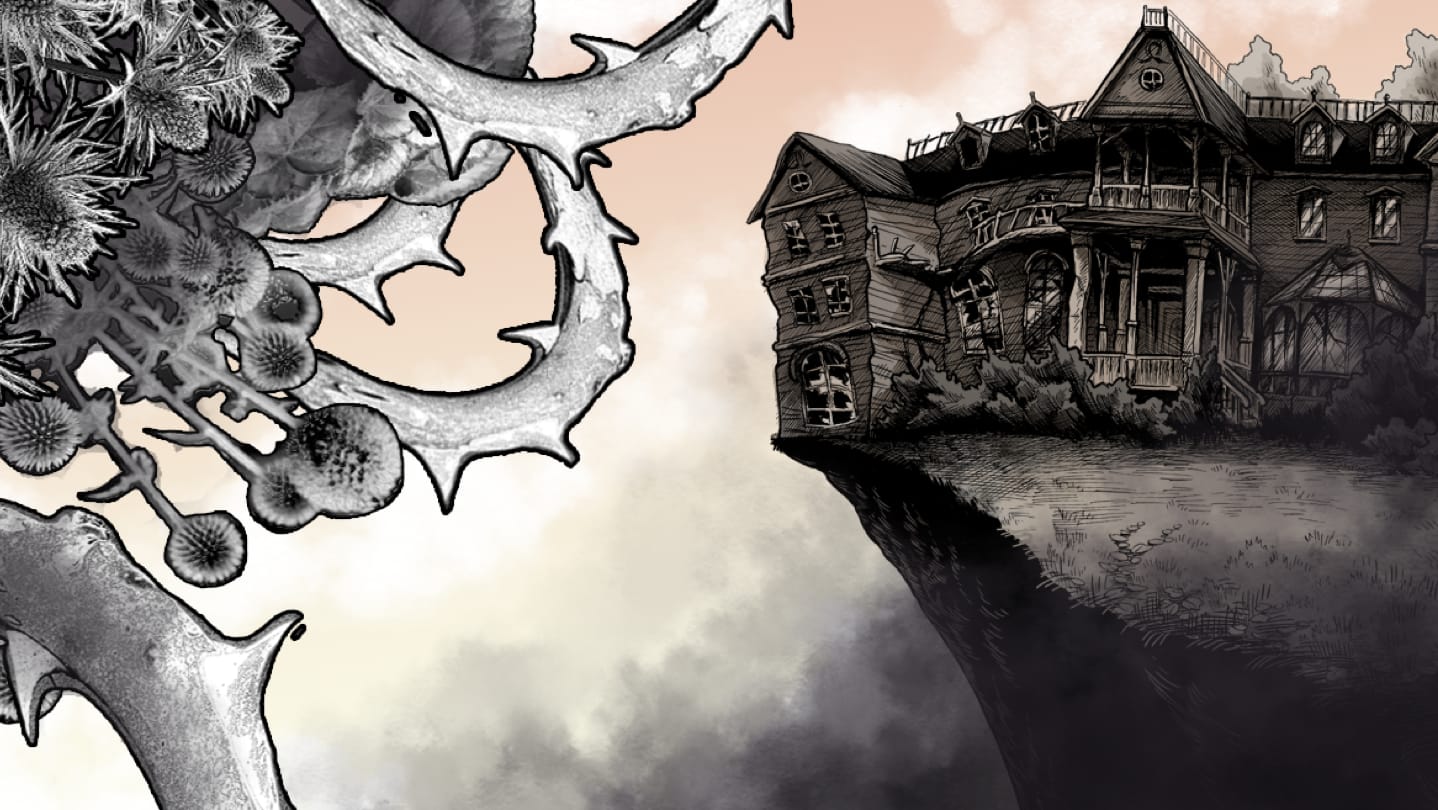
The cast of characters—Stella, Kaneeka, Oscar, and the others—are not just quest-givers or romance options. They have their own histories, biases, and breaking points. The game uses a "Relationship" system that feels organic rather than gamified. You don't buy their love with gifts; you earn their trust through consistency or lose it through betrayal. The setting itself, the town of Scarlet Hollow, functions as a character in its own right. The Appalachian setting is handled with a nuanced hand, avoiding hillbilly caricatures in favor of a grounded look at a community struggling with the legacy of a predatory mining company.
Mechanical Integrity
The branching logic is staggeringly complex. Most games have a "Golden Path" with minor deviations. Scarlet Hollow has entirely different scenes, character fates, and lore revelations locked behind specific trait combinations. This drives high replayability, as a "Powerful Build" playthrough feels like a gritty action-horror story, while a "Book Smart" run feels like a tense investigative thriller. The UI is clean and stays out of the way, allowing the prose and the art to do the heavy lifting. The lack of voice acting is a deliberate, and correct, choice; it allows the player to project their own voice onto the protagonist, heightening the sense of personal investment.