


Bottom Line: Amplitude Studios’ Dungeon of the Endless is a genre-bending tour de force, merging the unforgiving brutality of a roguelike with the tactical demands of tower defense and the strategic depth of a real-time strategy. It’s a game that demands patience, punishes complacency, and rewards acute tactical thinking across every platform.
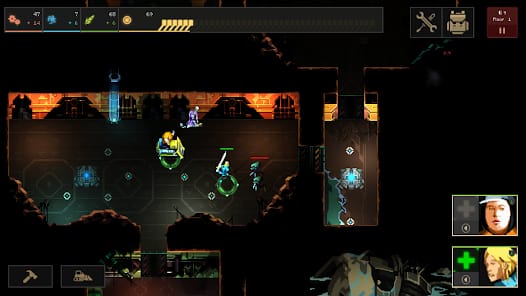
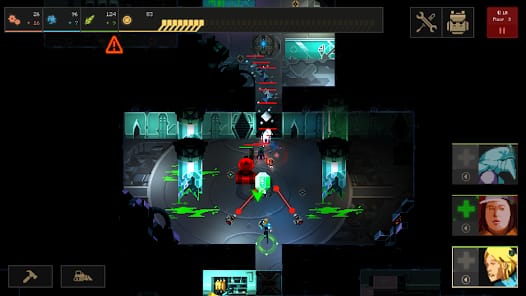
Dungeon of the Endless operates on a principle of organized chaos. Every run begins with a crashed vessel, a handful of survivors, and a crystal generator that must be moved from floor to floor, each time requiring a perilous dash to the exit. This "crystal run" phase, where your fragile objective is exposed to the entire floor's monster population, is a stroke of design genius. It injects a heart-pounding climax into every level, forcing players to reckon with their carefully constructed defenses and their team's combat readiness.
The initial onboarding friction is significant, almost by design. The game throws you into the deep end, expecting players to learn its myriad systems through repeated failure. This isn't a bug; it's a feature, embodying the roguelike ethos of persistent learning through consequence. Understanding hero strengths, module synergies, and enemy attack patterns is crucial. For instance, a well-placed Neuro-Disruptor tower might incapacitate a horde of melee units, while an Autodoc Module could keep your squishier heroes alive in the fray. The depth of tactical decision-making is truly astounding: Do you open every door in search of resources, risking overwhelming monster spawns? Or do you play conservatively, conserving Dust (the resource used to power modules) and hope for a clearer path to the exit? These are not trivial choices; they dictate the success or failure of an entire run.
Resource management is the invisible hand guiding every decision. Industry, Science, and Food are scarce, and their generation is often tied to specific rooms or modules. Building module-generating facilities might secure long-term resource income, but it consumes valuable slots that could house defensive towers. Upgrading existing modules consumes Science, but provides crucial power spikes. This constant push-and-pull creates a dynamic, ever-evolving strategic puzzle. There’s no single optimal build; adaptation to the randomly generated dungeon layout and the specific hero roster available is key.
The narrative, sparse yet evocative, underpins this relentless struggle. Each character carries a snippet of backstory, hinting at the larger universe of Amplitude's "Endless" franchise. These details, while not central to the gameplay loop, add a layer of texture to the desolate setting, transforming what could be a purely mechanical experience into something with a surprising emotional resonance. The sense of isolation and desperate survival is palpable, amplified by the game's demanding difficulty curve. It's a game that thrives on its challenge, often feeling unfair until you’ve internalized its rules and rhythms. Only then does the true brilliance of its design reveal itself.
The Gameplay Loop
The fundamental loop involves exploring rooms, managing resources, building defenses, and then escorting your generator to the next floor. Each open door triggers a potential monster spawn, turning exploration into a high-stakes gamble. This elegant yet brutal mechanic forces players to consider the opportunity cost of every room: Is the potential Food or Industry gain worth the guaranteed influx of threats? This is where the tower defense elements shine; knowing where to place your defenses, what type of modules to construct, and when to retreat and re-evaluate is critical. There's no pause, only "tactical pause," allowing for frantic, real-time adjustments.