


Bottom Line: El Paso, Elsewhere is a raw, rhythmic descent into a neon-soaked hell that proves "bullet-time" mechanics are still the perfect vessel for high-stakes emotional trauma. It is a rare shooter that values its soul as much as its ammunition count.
The Rhythmic Brutality of the Gameplay Loop
The core loop of El Paso, Elsewhere is built on the mechanical cadence of the dive. This isn't a "cover shooter" where you hide behind crates; it is an aggressive, forward-moving dance of violence. When you leap into a room, the world slows to a crawl, and the game’s original hip-hop soundtrack pulses with a heavy, atmospheric weight. In these moments, the game feels sublime. You aren't just clicking on heads; you are choreographing a scene.
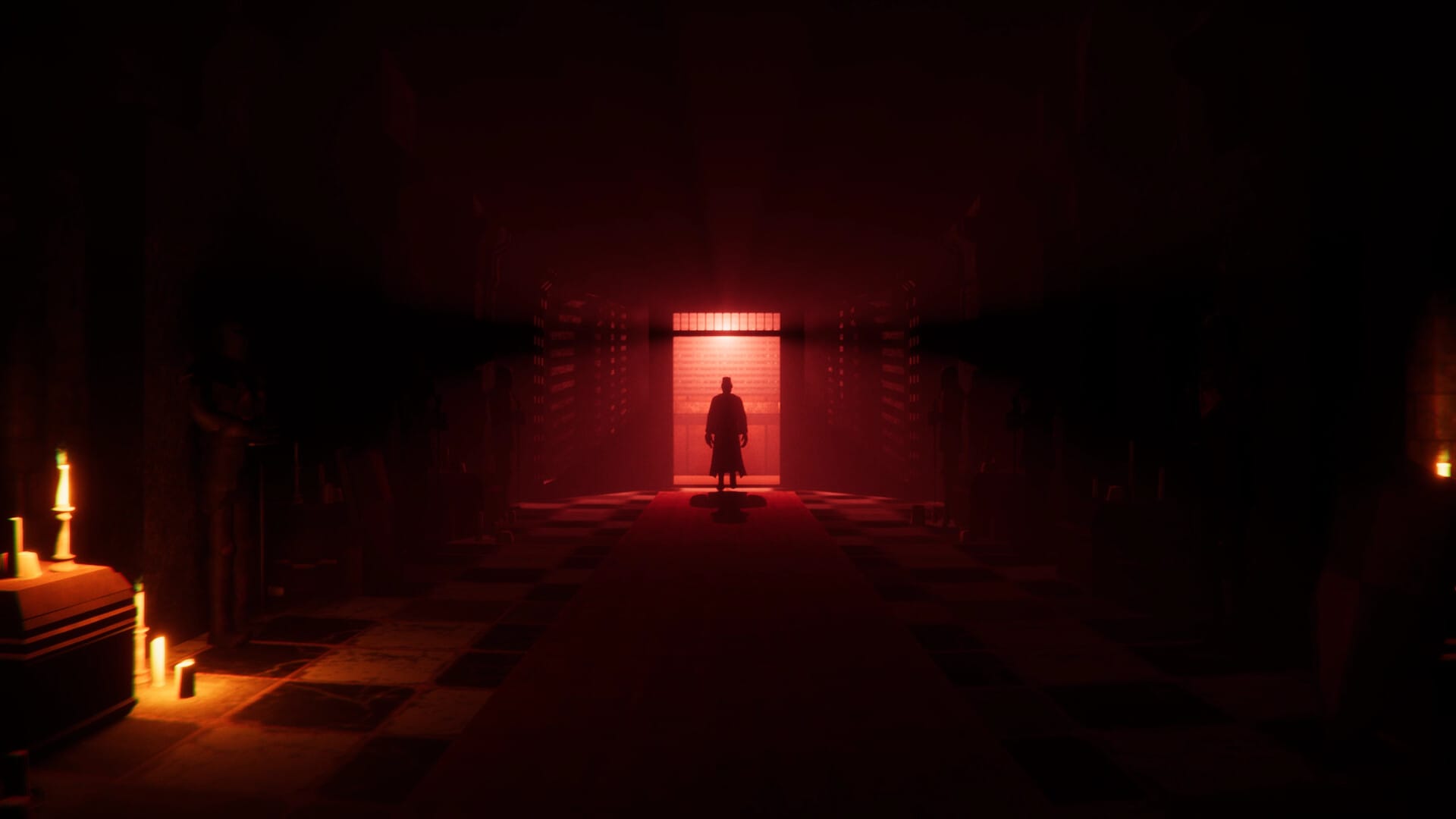
However, a senior critic must acknowledge the friction. The decision to span 50 floors is a bold one, and by floor 35, the environmental fatigue can start to set in. While the motel rooms warp into graveyards and voids, the objective rarely changes: find the "hostages" (lost souls), find the exit, and kill everything in between. The enemy variety—ranging from werewolves to biblically accurate angels—is strong, but the actual level geometry can occasionally feel repetitive. Yet, the game saves itself from monotony through its pacing. Just as the shooting starts to feel like a routine, a new piece of the monologue or a shift in the musical score yanks you back into Savage’s fractured psyche.
Narrative as Structural Integrity
Most shooters treat story as a loose justification for the carnage. El Paso, Elsewhere treats it as the primary motivator. The relationship between James Savage and Draculae is handled with a maturity rarely seen in the genre. This isn't a "rescue the princess" arc; it’s a "my ex is a monster and I still love her even though she’s destroying me" arc.
The internal monologue is the connective tissue here. Savage talks to himself constantly—about his addiction to painkillers (which serve as the game's healing mechanic, adding a layer of uncomfortable ludonarrative harmony), about his failures, and about the sheer absurdity of his situation. The writing avoids the "quippy" Marvel-style humor that plagues modern gaming, opting instead for a sincere, poetic grit. It’s authoritative and heavy, making every bullet fired feel like a desperate attempt to outrun a memory.
The Sound of Elsewhere
We cannot discuss the analysis without mentioning the soundtrack. The original hip-hop score is a masterstroke. It doesn't just play in the background; it reacts to the action. When you enter bullet-time, the vocals might warp or the bass might drop out, creating a sensory experience that tethers the player to the "flow state." It’s an essential component that elevates the low-poly visuals, making the world feel larger and more expensive than its polygon count would suggest.