
Bottom Line: Fortnite stopped being a game years ago and became a platform—a chaotic, generous, occasionally exhausting entertainment machine that gives away the world for free and then charges you for the outfit. It's the most ambitious live service on the planet, and it wears you out as often as it wins you over.
The Gameplay Loop
Fortnite's genius is its loop, and its loop is a slot machine dressed as a shooter. Every match starts identically—the Battle Bus, the dive, the scramble for loot—and ends unpredictably. That tension between ritual and chaos is what keeps people coming back for their 2,000th drop. You know the beats. You never know the outcome.
Building is the mechanic that separates the tourists from the residents. In the hands of a veteran, a firefight becomes a blistering exchange of ramps and edited walls, an improvised fortress rising and collapsing in seconds. It's genuinely thrilling to watch and brutal to learn. And here's the friction: the skill ceiling is punishing. New players routinely get bulldozed by opponents who build like they're playing a different game entirely—because, functionally, they are. Epic's answer was skill-based matchmaking (SBMM), which sorts players by ability. It's also one of the most-complained-about systems in the game. Casual players feel every lobby is "sweaty." Competitive players feel throttled. Nobody's happy, which usually means the system is doing something right.
The Platform, Not the Game
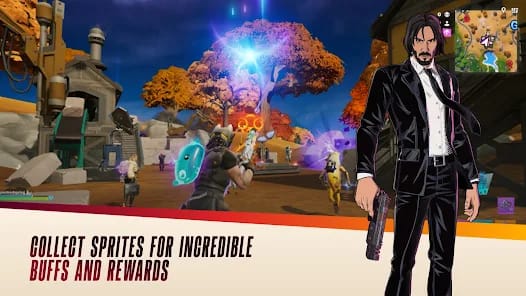
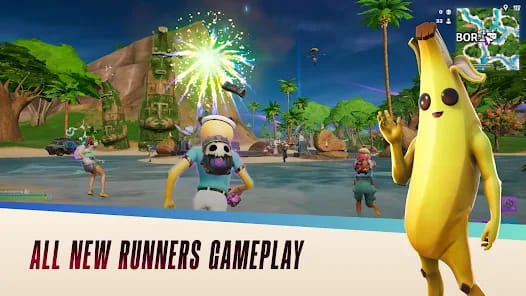
The smartest thing Epic ever did was stop thinking of Fortnite as a product and start treating it as real estate. Reload, OG, Festival, LEGO Fortnite—these aren't updates. They're tenants. When Battle Royale fatigue sets in, you drift to LEGO's crafting grind or Festival's note highways without ever leaving the app. It's a retention strategy of staggering effectiveness, and it works because the switching cost is zero.
The downside is coherence. Fortnite no longer has a center of gravity. Booting up can feel like walking into a mall where every storefront is shouting. For players who just want to drop and shoot, the sprawling front-end menu—stuffed with modes, shops, tabs, and event promos—is a genuine case of onboarding friction. The game is generous to a fault and organized like a garage sale.
The Monetization Question
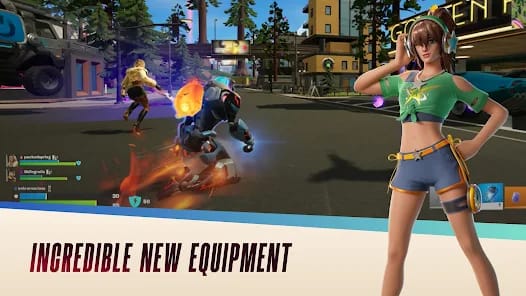
Let's be direct: Fortnite is free, and Fortnite is expensive. The base game costs nothing, and you can play forever without spending a cent. But the entire experience is engineered to make you want to spend. Cosmetics are the product. The Battle Pass is a masterclass in behavioral design—priced low enough to feel trivial, structured to make you play "just one more" to hit the next tier. Crossover skins arrive at premium prices and vanish from the shop, manufacturing scarcity for pixels.
None of it affects gameplay. There is no pay-to-win here, and that matters. But the relentless cosmetic pressure—especially on younger players—is the game's most legitimate ethical sore spot, and reviews reflect it. "Aggressive monetization" is the single most consistent complaint across platforms, and it's earned.