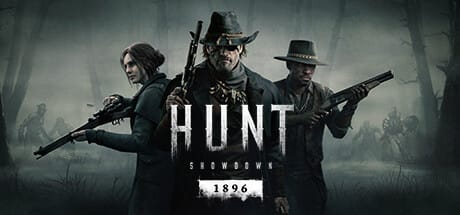


Bottom Line: The most atmospheric extraction shooter on the market has never looked or sounded better, but a disastrous UI overhaul threatens to alienate the very players who kept it alive for six years.
The Sound of Silence and Gunpowder
The core of Hunt: Showdown 1896 remains untouched by the update's controversies, and thank God for that. This is still a game where sound is the primary currency. Unlike its contemporaries—Escape from Tarkov or Call of Duty—Hunt doesn't just use audio for atmosphere; it uses it as a mechanical deterrent. Every move you make is a gamble. Running through a cornfield sounds like a drum kit falling down stairs. Crossing water isn't just slow; it’s a loud, splashing invitation for a sniper's bullet.
In Mammon’s Gulch, this audio-visual loop is amplified. The map’s verticality—towering peaks and deep mine shafts—changes the way sound travels. Hearing a gunshot "above" you finally carries the weight of tactical danger. You aren't just looking for silhouettes; you are triangulating positions through the dense, atmospheric fog. The risk vs. reward loop remains unparalleled. Spending thirty minutes tracking a bounty, only to lose it all to a well-placed trap or a rival team's ambush, produces a visceral spike of adrenaline that few other games can replicate. It is "unforgiving" in the best possible way.
The UI Catastrophe
We need to talk about the menus. It is rare that a user interface becomes a primary talking point in a major game review, but Crytek has managed to create a masterpiece of functional obstruction. The new UI, seemingly designed with a "console-first" mentality, is a labyrinth of tiles, sub-menus, and redundant clicks. For a PC-centric audience used to the precision of a mouse, navigating the loadout screens feels like trying to operate a surgical robot with a TV remote.
Simple tasks—equipping a medkit, skinning a weapon, or even just checking your character’s perks—now require multiple layers of navigation. It is a classic case of skeuomorphism and "modern" design trends winning a war against actual utility. The onboarding friction for new players was already high; this new interface adds a layer of "menu-exhaustion" that actively discourages the desire to jump back into another match. It is a puzzling decision from a team that usually understands the value of efficiency in high-stakes environments.
The Colorado Shift
Moving the action to the mountains changes the tempo. Louisiana was about sightlines and concealment; Colorado is about dominating high ground. The mine shafts provide claustrophobic, horror-leaning encounters, while the mountain ridges turn long-range rifles into terrifying tools of oppression. The introduction of the "Hellborn" boss—a fire-based entity—adds a chaotic element to the PvE side of the game, forcing players to manage their positioning and stamina more aggressively than ever before.