Bottom Line: Hylics 2 is a triumph of aesthetic commitment that transforms the traditional JRPG into a tactile, hypnotic piece of interactive art, even if its new platforming ambitions occasionally feel less solid than the clay they’re built from.
To play Hylics 2 is to submit to a specific kind of sensory overload. The core gameplay loop remains rooted in the JRPG tradition, but the context is so heavily distorted that even the most mundane actions feel fresh. Combat is a turn-based affair where "spells" are gestures—Wayne snapping his fingers to ignite enemies or melting his own face to heal—and these animations are so fluid and detailed that the inherent repetition of the genre becomes its greatest strength. You don't mind the grind when the grind is this beautiful.
The Kinetic Friction of Combat
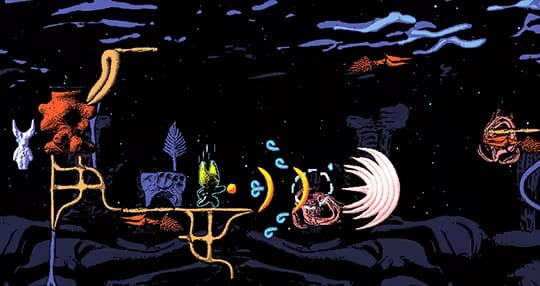
The combat system is functional, if familiar. You manage health and "Will" (mana), utilizing a party of four bizarre allies. The depth comes from the lavish special abilities discovered through exploration. However, the game’s commitment to its art style creates a specific kind of pacing friction. Some players will find the combat animations, while stunning, to be a beat too long. There is a deliberate slowness here—a droll, hypnotic tempo that demands patience. It isn't a flaw so much as it is a stylistic choice, though it undeniably stretches the game's length during more combat-heavy segments.
The Platforming Experiment
The most significant departure from the original Hylics is the transition into 3D space. Wayne can now air-dash, double jump, and navigate complex environments. This is where the game’s ambition hits its first real snag. The platforming feels floaty and imprecise, lacking the "snap" you’d expect from a dedicated platformer. Navigating 3D clay landscapes is visually rewarding but mechanically frustrating; the perspective can be tricky, and the collision detection occasionally feels like an afterthought.
Despite this, the exploration remains the game's heartbeat. Moving through a world that feels like it was physically pinched and pulled into existence is an unparalleled joy. The first-person segments and the overworld airship travel provide a sense of scale that the first game lacked. It feels like a complete world rather than a series of disconnected vignettes.
The Experimental Audio Landscape
We cannot discuss the experience without the soundtrack. It is an experimental, guitar-driven odyssey that perfectly mirrors the visual distortion. The music doesn't just sit in the background; it aggressivey shapes the mood, oscillating between laid-back psychedelic grooves and frantic, dissonant riffs. It’s the kind of soundscape that would feel right at home in a late-night experimental film festival, and it cements the game's identity as a singular, uncompromising vision.