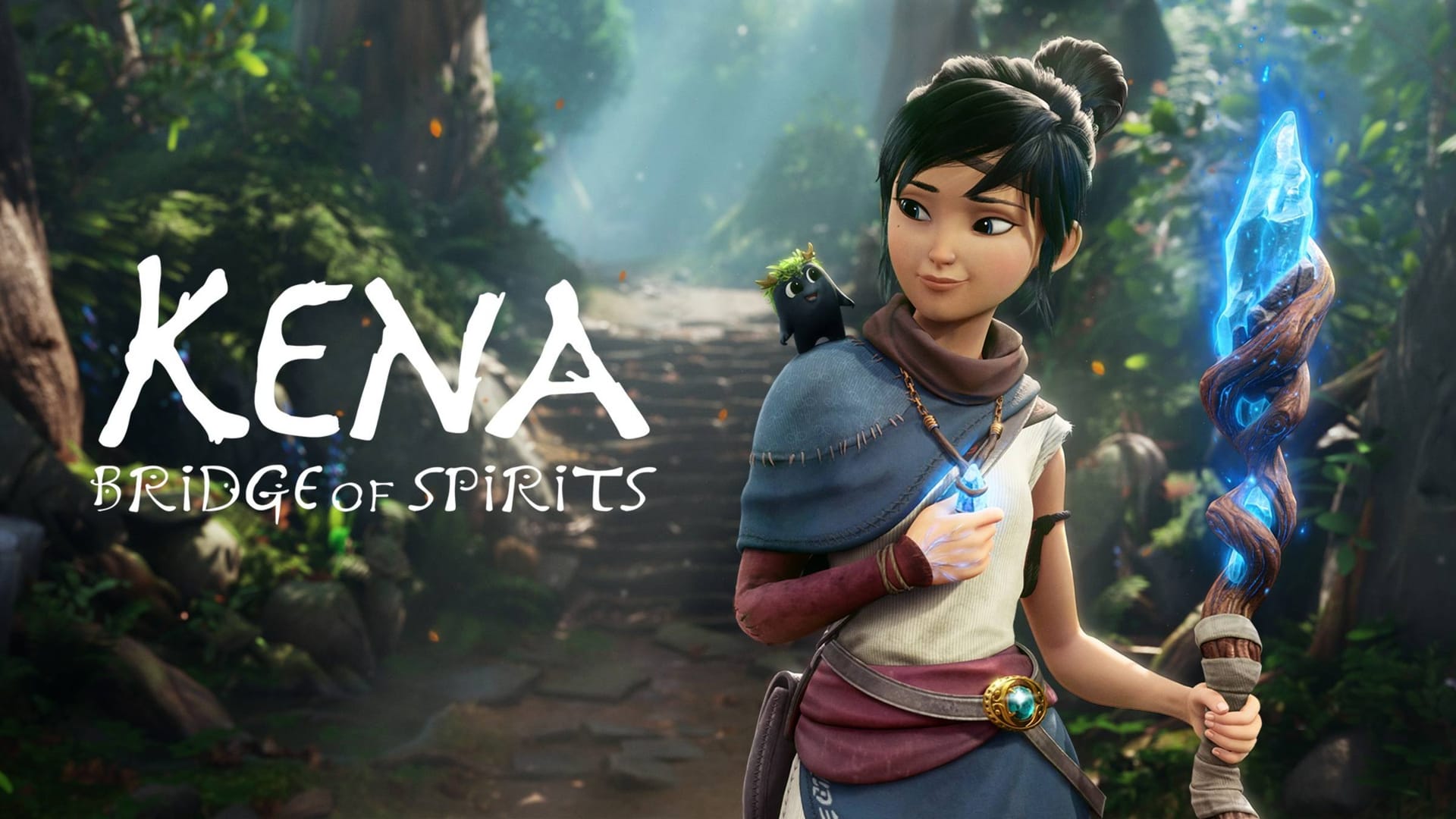

Bottom Line: Kena: Bridge of Spirits is a visually arresting debut that pairs high-fidelity animation with surprisingly punishing combat, proving Ember Lab is far more than just a boutique animation studio.
To look at Kena: Bridge of Spirits is to assume a breezy, casual romp through a forest. To play it, however, is to realize that Ember Lab has a hidden streak of cruelty. The central tension of the game lies in the jarring, yet effective, contrast between its whimsical aesthetics and its punishing difficulty spikes.
The Combat Loop: Precision over Pity
Unlike many modern adventures that allow for sloppy play, Kena demands mechanical discipline. The parry window is tight—unforgivingly so—and boss encounters are less about "winning" and more about resource management. You cannot simply spam your Rot actions; you must earn them by dealing damage and staying mobile. This creates a rhythmic flow where you are constantly weighing the cost of using the Rot to heal versus using them to stun a boss during a critical animation.
The transition from the Spirit Staff to the Spirit Bow is where the game truly finds its legs. Aiming slows time momentarily, turning combat into a frantic dance of headshots and dodge-rolls. Later, the introduction of the Spirit Bomb adds a layer of crowd control and verticality, forcing you to rethink how you engage with groups of shielded enemies. It is a "tough but fair" system that shares more DNA with Sekiro than it does with Super Mario.
The Rot: Tactical Utility over Mascot Cuteness
The Rot are the mechanical heart of the game. They function as a distributed inventory system. Need to move a heavy statue? Send the Rot. Need to cleanse a corrupted flower during a fight? Send the Rot. The brilliance here is how their effectiveness scales with your exploration. The more Rot you find, the higher your "Rot Level," which unlocks more powerful abilities. This tethers the exploration directly to your combat efficacy, making every hidden chest feel vital rather than optional.
However, the game does occasionally stumble in its onboarding friction. Some of the environmental puzzles rely on "Rot-cloud" movements that can feel clunky or imprecise compared to the fluid combat. There are moments where the camera struggles to keep up with the verticality of a fight, leading to "cheap" hits from off-screen enemies.
Narrative Weight: Grief in High Definition
While the plot follows a familiar "hero's journey" structure, it succeeds by focusing on micro-stories of loss. Each major boss represents a specific villager whose inability to let go caused the corruption. You aren't just hitting a health bar; you are engaging in a violent form of therapy. The orchestral score—blending traditional Balinese gamelan with soaring cinematic strings—elevates these moments from standard video game tropes to genuine emotional beats. It’s a somber, beautiful experience that respects the player's intelligence by not over-explaining its world's tragedy.