Bottom Line: Limbus Company is a high-concept, mechanically dense RPG that respects your intelligence and your wallet, even if its tutorial systems don't respect your time. It’s the smartest mobile-adjacent title on the market today.
The Brutality of the Clash
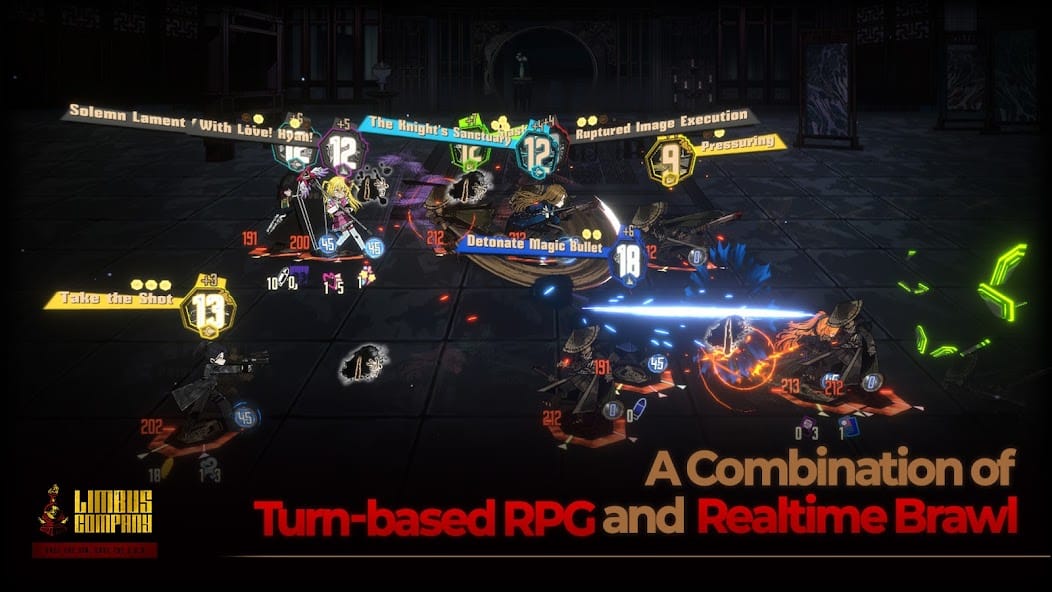
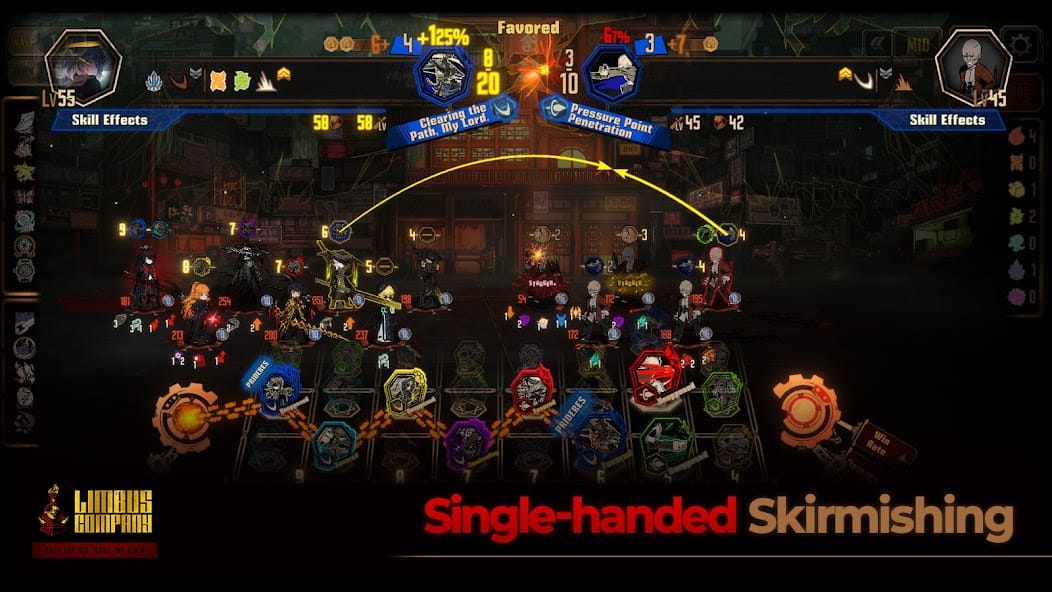
At its core, the Clash system is what separates Limbus Company from the pack. In most mobile RPGs, combat is a simple check of "Is my number bigger than the enemy's number?" Here, victory is a fragile thing. When two skills meet, they "Clash." The result is determined by a base value plus the result of several coin flips. Winning a Clash doesn't just deal damage; it cancels the enemy's attack entirely.
This creates a high-stakes momentum. If your Sinner has high Sanity (SP), they are more likely to land "Heads," winning more Clashes and snowballing toward victory. If they lose, their Sanity drops, making them more likely to fail future flips, potentially leading to a "Corroded" state where they lash out at friend and foe alike. It’s a brilliant representation of the game’s psychological themes translated into math. You aren't just managing health bars; you are managing a collective mental breakdown.
The Learning Curve Problem
However, Project Moon’s greatest strength—complexity—is also its primary friction point. The in-game tutorials are, to put it bluntly, a disaster. They explain the "how" without ever touching on the "why." New players will find themselves staring at a screen filled with sin colors, resonance chains, and speed dice, wondering why their team just got wiped by a low-level mob.
The "onboarding friction" here is a vertical wall. To actually understand the game, you’ll likely need to consult community-made guides or YouTube tutorials. Once the lightbulb goes off and you understand how to manipulate the turn order and elemental resistances, the game becomes an addictive tactical puzzle. Until then, it’s a confusing mess of icons and explosions.
A Fair Economy
Refreshing is the only word for the monetization model. Most gacha games treat their players like ATMs. Limbus Company treats them like subscribers to a premium experience. The Battle Pass (Limbitext) provides an absurd amount of value, and the "sharding" system allows players to eventually craft almost any Identity or E.G.O. just by playing the game. It is arguably the most F2P-friendly title in the space, valuing player retention over short-term "whale" extraction. This transparency builds a level of trust that is rare in the mobile landscape.