
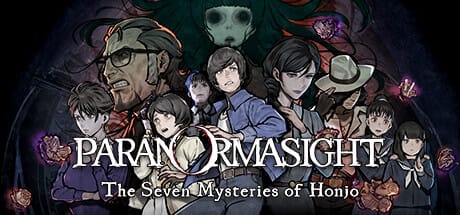



Bottom Line: A razor-sharp, subversion-heavy visual novel that weaponizes genre tropes and system settings to deliver the most inventive supernatural mystery in years.
The brilliance of Paranormasight lies in its refusal to play by the established rules of the visual novel genre. Most games in this category are content to let you click through dialogue until a binary choice appears. Paranormasight treats the user interface and system settings as part of the diegetic world.
The Lethal Logic of Curses
The core gameplay loop revolves around the Curse Stones. These aren't just plot points; they are active threats. When you encounter another curse bearer, the game shifts into a standoff. You might have the "Whispering Canal" stone, which kills if the victim turns around after being spoken to. However, your opponent might have a stone that triggers if you speak at all. This creates a mechanical tension where you aren't just choosing dialogue options; you are trying to deduce the "win condition" of a supernatural murder. The game frequently forces you to think laterally, asking you to manipulate the game’s own software to survive. If a curse triggers based on sound, perhaps the solution isn't found in a dialogue tree, but in your own system volume settings.
Meta-Puzzle Mastery
This meta-textual approach is where the game earns its "Senior Critic" stripes. It breaks the fourth wall with a surgical precision that avoids the "cringey" pitfalls of lesser titles. It respects the player’s intelligence, often hiding solutions in plain sight within the menus or the UI elements you’ve spent hours ignoring. These moments provide a genuine "aha!" spark that most AAA titles have long since abandoned in favor of quest markers and hint-heavy NPC dialogue.
Narrative Architecture
The writing is punchy, avoids unnecessary exposition, and manages to make its ensemble cast feel distinct and desperate. Shogo Okiie, our initial point of entry, isn't a hero; he’s a man caught in a grief-fueled nightmare. The shift between his perspective and those of the detectives investigating the "strange deaths" provides a procedural layer that grounds the supernatural elements. The game masterfully handles the "Butterfly Effect," where a minor realization in a high school girl’s storyline becomes the key to a detective surviving a deadly encounter three hours later in the flowchart.
The pacing is relentless. Unlike many Japanese visual novels that suffer from a "slow burn" first act, Paranormasight kills off a major character within the first forty minutes. It sets a precedent of lethality that ensures you never feel truly safe, even during the quieter investigative moments.