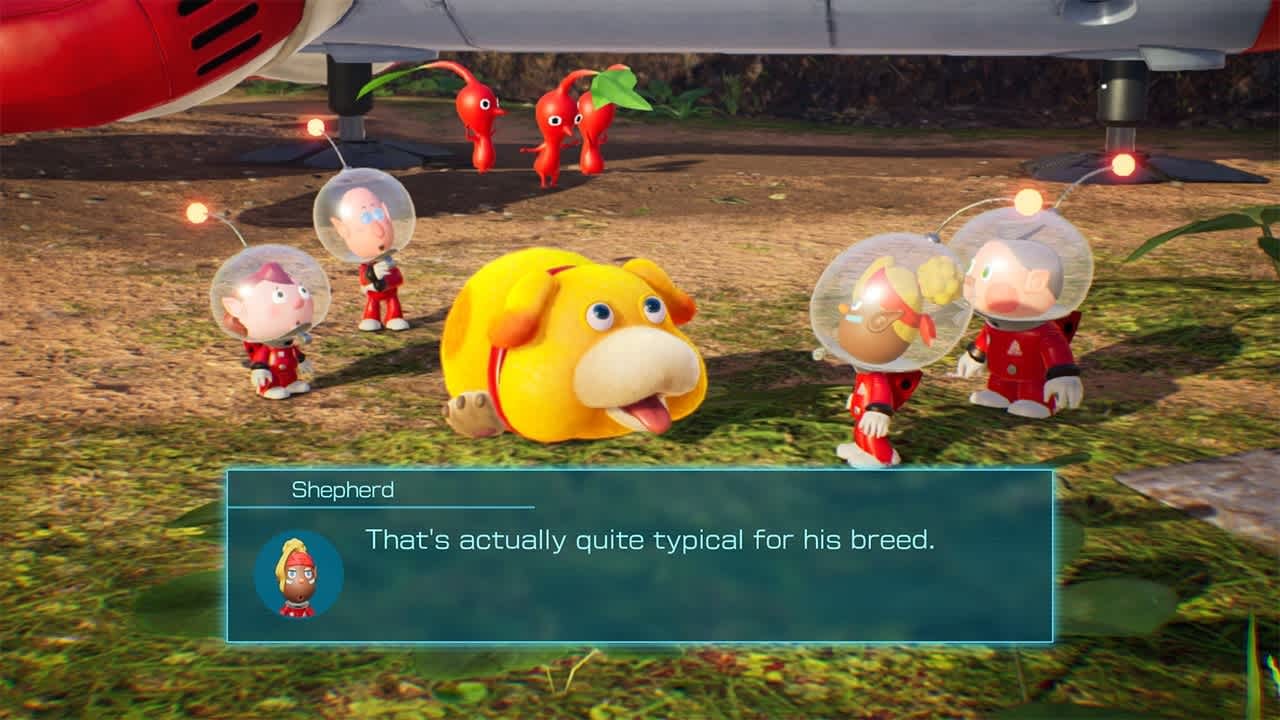
Bottom Line: Pikmin 4 is a spectacular refinement of real-time strategy that swaps stressful resource-management panic for satisfying, optimized workflow design. Nintendo's addition of a customizable protagonist and a utility-heavy rescue pup makes this the most approachable and strategically rewarding entry in the franchise's history.
To understand Pikmin 4, you must understand the concept of Dandori. The game doesn't just mention this term; it builds its entire mechanical identity around it. Dandori translates roughly to "strategic planning and organizing tasks to make things run smoothly." In previous entries, bad Dandori meant losing dozens of your colorful plant soldiers to a giant ladybug because you mismanaged your sundown timer. In Pikmin 4, Nintendo has polished the rough edges of this feedback loop to make the pursuit of perfect efficiency feel incredibly satisfying rather than anxiety-inducing.
The Gameplay Loop and Workforce Optimization
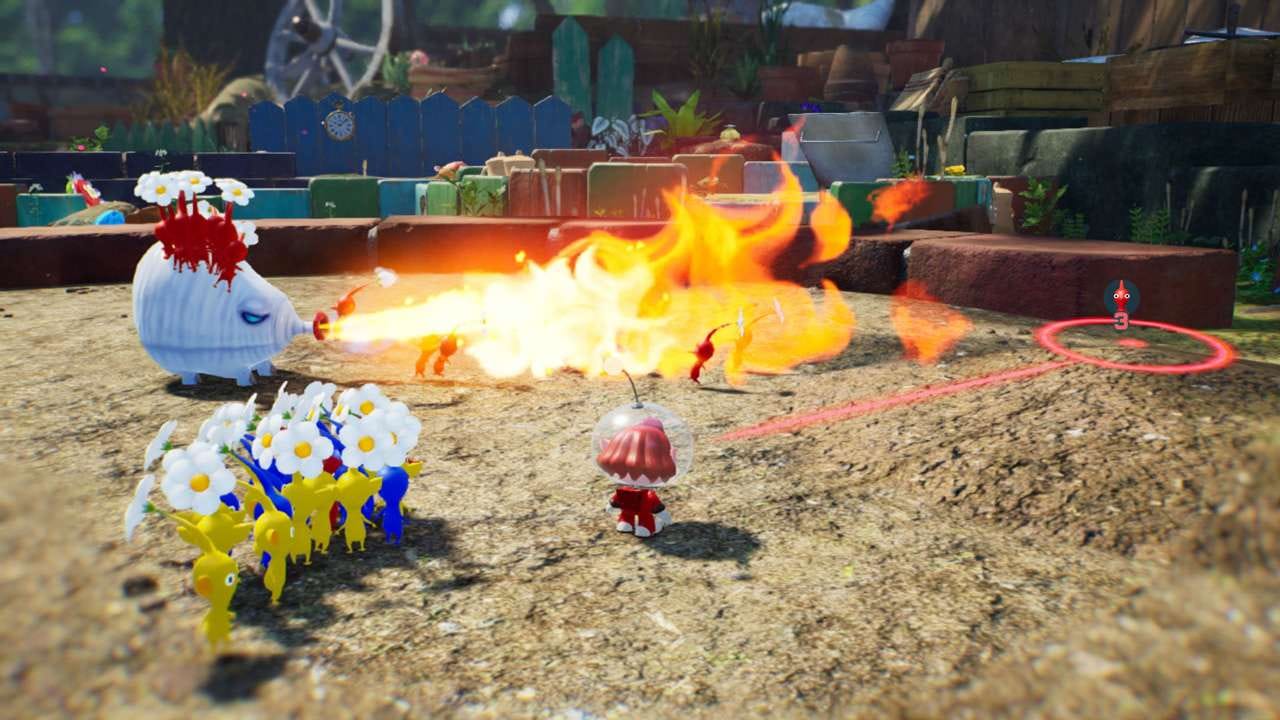
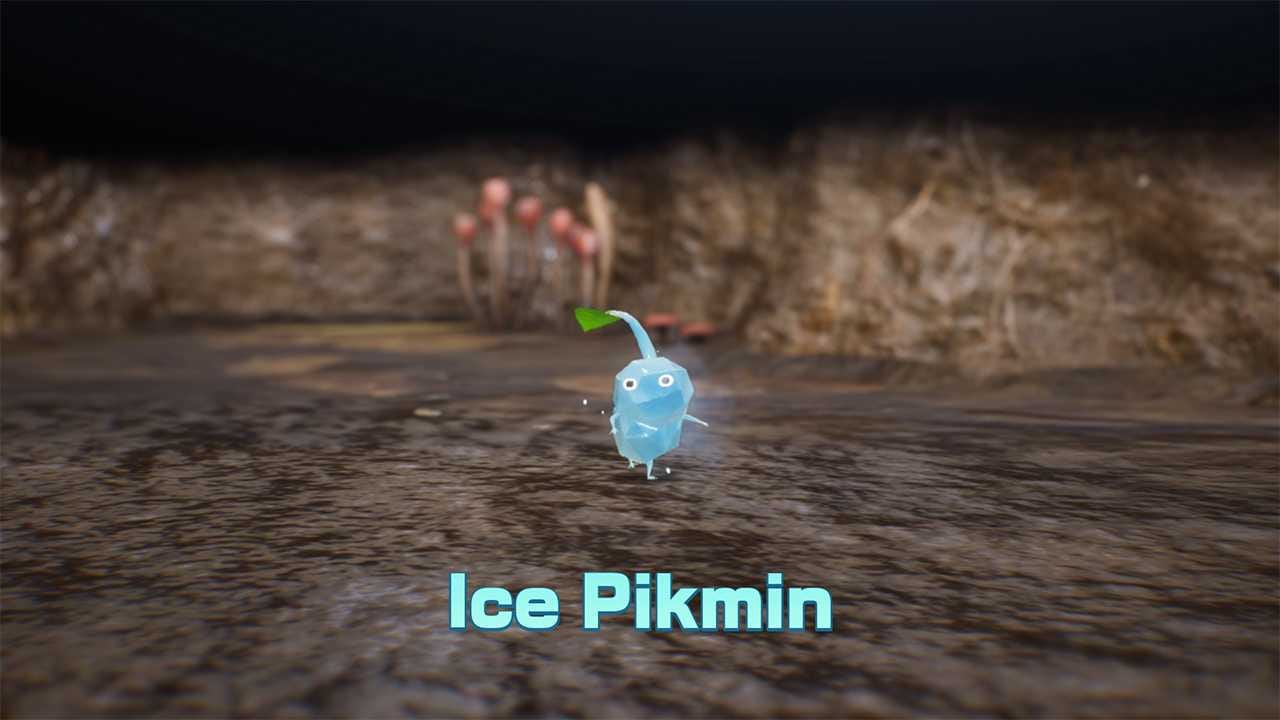
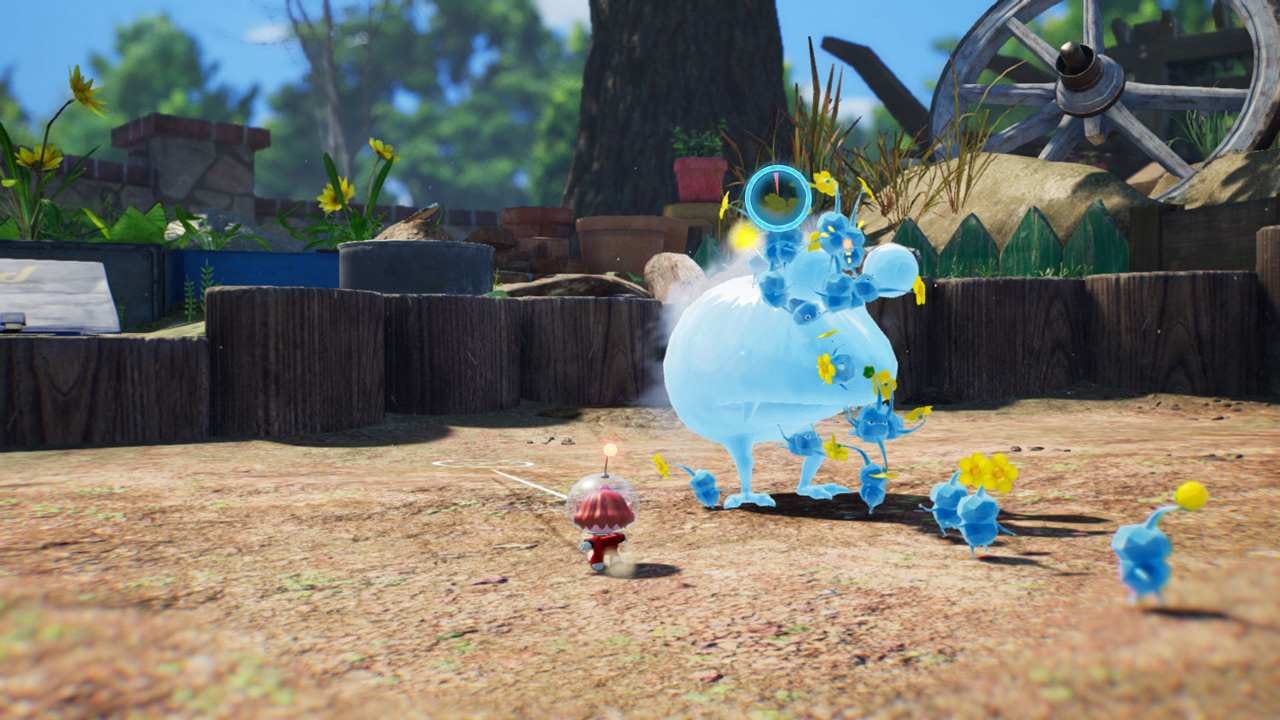
The core gameplay loop centers on deploying your customizable captain and your loyal companion, Oatchi, to direct a maximum of three active Pikmin species at any given time. The tactical depth lies in balancing your workforce. You use Ice Pikmin to freeze water hazards or lock dangerous enemies in place, then quickly swap to heavy-hitting Purple Pikmin or high-flying Yellow Pikmin to clean up the battlefield.
Oatchi is the real star here. By serving as a collective mount, he eliminates the annoying pathfinding friction that plagued earlier games. Your Pikmin cling to his back, allowing you to leap over small ledges and charge headfirst into combat as a single, unified force. But Oatchi's true utility shines when you split your party. You can order Oatchi to carry a massive piece of treasure back to base while your main captain takes a subset of Pikmin to clear a path through a nearby thicket. This split-screen coordination turns the game into a mini-RTS of remarkable depth, forcing you to constantly evaluate your resource allocation.
Caves, Pacing, and the Rewind Mechanic
The return of underground caves is a brilliant pacing choice. Surface exploration is bound by the typical daytime clock, but underground, time slows down significantly. This allows for deliberate, puzzle-heavy level design where players can focus on combat strategy and environmental navigation without the constant pressure of the setting sun.
Purists might initially balk at the inclusion of a robust rewind mechanic, which lets you jump back a few minutes to undo a catastrophic tactical blunder. However, in practice, this feature is a triumph of user experience design. Instead of forcing a frustrating full-level restart when a boss wipes out your entire squad, the rewind feature encourages experimentation. It transforms potential rage-quits into rapid learning experiences, lowering the onboarding friction for newcomers while allowing veteran players to chase "deathless" runs with less tedious repetition.
The campaign's secondary multiplayer mode, however, is a notable step backward. Rather than offering true cooperative play, the second player is relegated to throwing pebbles from a reticle, a design decision that feels lazy compared to the excellent co-op integration of Pikmin 3 Deluxe. It is a rare misstep in an otherwise incredibly thoughtful mechanical layout.