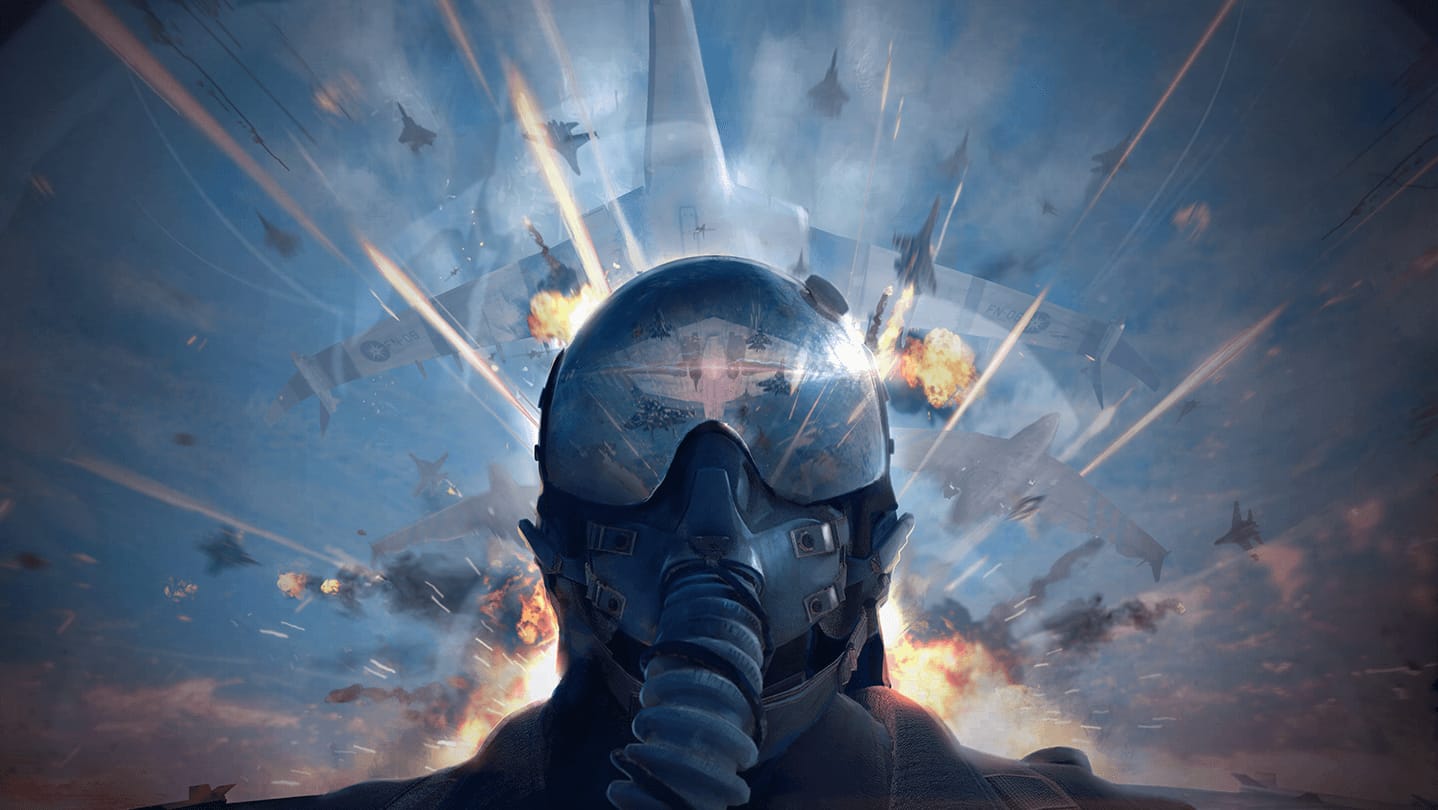

Bottom Line: Project Wingman is a high-octane masterpiece that proves a small, dedicated team can out-dogfight the industry giants. It is the definitive arcade flight experience for players who value visceral combat over bureaucratic simulation.
The Power Trip of the Skies
The core gameplay loop of Project Wingman is built on momentum. From the moment you throttle up on the runway, the game demands your full attention. The flight model is tuned for responsiveness and speed; jets feel weighty but capable of the kind of high-G maneuvers that would turn a human pilot into jelly. This is where the game excels: it strips away the friction of complex engine management and focuses entirely on the geometry of the dogfight.
The inclusion of the multi-weapon system is perhaps the most significant mechanical departure from the genre's traditions. In typical flight action games, you often feel under-equipped for the variety of targets thrown at you. Here, you can carry anti-ship missiles, multi-lock air-to-air missiles, and heavy cannons all at once. This choice empowers the player, allowing for a more aggressive, creative approach to mission objectives. You aren't just reacting to the enemy; you are dictating the flow of the battle.
The Checkpoint Gamble
However, Project Wingman isn't without its controversies. The decision to omit mid-mission checkpoints is a bold, albeit polarizing, design choice. Missions can often run 20 to 30 minutes in length, and a single mistake—such as clipping a skyscraper or taking a stray railgun shot—results in a complete mission restart. While this heightens the stakes and forces a level of focus that is rare in modern gaming, it can lead to moments of genuine frustration. In a game that encourages "pick-up-and-play" accessibility, this sudden wall of difficulty feels slightly at odds with the overall design philosophy. It demands perfection in a world that is visually chaotic.
Conquest Mode: The Rogue-Lite Wingman
Beyond the campaign, Conquest Mode offers a brilliant pivot. It treats the world map as a tactical board where you capture territories, manage resources, and hire your own fleet of mercenaries. As you progress, the "Alert Level" rises, introducing more elite enemies and punishing boss encounters. This mode highlights the game’s mechanical depth, stripping away the narrative fluff to focus on pure endurance and strategic growth. It’s a compelling reason to keep the game installed long after the credits roll on Monarch’s story.
Sound and Atmosphere
We cannot discuss the analysis without mentioning the soundtrack. The score is a driving, orchestral-electronic hybrid that perfectly captures the tension of a world on the brink of collapse. When the brass kicks in during a high-stakes intercept, the synergy between the visuals and the audio creates a flow state that few other action games can replicate.