
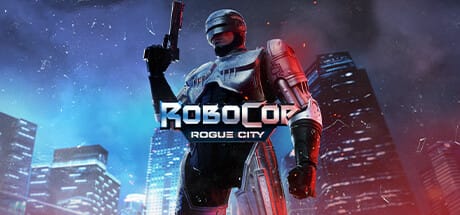


Bottom Line: "RoboCop: Rogue City" delivers an unapologetically faithful, brutally effective first-person shooter RPG experience that should satiate long-starved fans of the franchise, despite minor technical snags and a sometimes-formulaic structure.
"RoboCop: Rogue City" manages to be more than just a nostalgic trip; it carves out a legitimate space as a compelling, if imperfect, first-person shooter RPG. The core loop revolves around patrolling the crime-infested districts of Old Detroit, responding to calls for justice, and engaging in methodical, often devastating, combat. Unlike contemporary twitch-shooters, RoboCop moves with the ponderous, unstoppable momentum of a true cyborg. Each step feels heavy, each reload deliberate, and every shot from the Auto-9 carries a satisfying, concussive force. This deliberate pacing is a critical design choice, and largely a successful one, compelling players to consider their positioning and the impact of their rounds rather than simply strafing and spraying.
Gameplay Loop & Tactical Fidelity
The combat is where "Rogue City" truly shines, particularly for those who appreciate a more grounded, less acrobatic FPS. RoboCop is a walking tank, capable of shrugging off a surprising amount of small arms fire, but not invincible. Headshots are paramount for human enemies, and specific weak points must be exploited on armored foes and cyborgs. The game encourages tactical engagement: kicking down doors, using environmental objects as improvised projectiles, and methodically clearing rooms. Upgrading RoboCop's chassis and internal systems via a surprisingly deep skill tree directly impacts this loop, allowing players to specialize in aspects like explosive damage, armor integrity, or even improved psychological insight for detective work. The Auto-9, predictably, becomes an extension of the player’s will, with numerous modifications impacting fire rate, damage, and even projectile type, transforming it from a standard sidearm into a veritable hand cannon. This level of customization for RoboCop’s iconic weapon is not just a nice touch; it fundamentally alters engagement strategies.
However, the combat encounters, while initially exhilarating, can occasionally devolve into a somewhat repetitive pattern. The game's reliance on wave-based enemy spawns, particularly in side quests, can feel less organic than the more narrative-driven main missions. This occasional structural predictability risks undermining the genuine thrill of being RoboCop, reducing some engagements to a mere formality rather than a desperate struggle against the city's decay.
Narrative and Detective Mechanics
Where the game truly distinguishes itself from its FPS contemporaries is in its commitment to role-playing and narrative. The original story, set between the second and third films, feels genuinely earned. It's not just an excuse for a shooter; it explores themes of identity, corporate greed, and the socio-economic collapse of Detroit with a degree of nuance that respects the source material. Peter Weller's vocal performance is nothing short of masterful; his delivery imbues Murphy with the familiar blend of robotic stoicism and simmering humanity, elevating what could have been a mere imitation into a genuine continuation of the character.
The detective work, a prominent feature, often involves scanning crime scenes, questioning witnesses, and making moral choices that impact Murphy's public perception and psychological state. These sequences, while sometimes less mechanically engaging than the combat, are vital for immersing the player in the role of a law enforcement officer, not merely a killing machine. The consequences of these decisions, even minor ones, reverberate throughout the narrative, lending weight to RoboCop’s mission beyond simple mission completion. This commitment to character and thematic depth ensures "Rogue City" isn’t just a blast to play; it’s a compelling story to experience.