
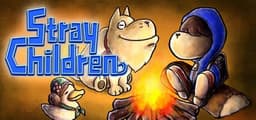
Bottom Line: Stray Children is a haunting, psychological mirror that makes traditional level-grinding feel hollow; it is less a game and more a profound interrogation of what we lose when we grow up.
The Weaponization of Empathy
The core loop of Stray Children hinges on its refusal to let the player off the hook with a simple "Attack" command. In traditional RPGs, monsters are obstacles to be cleared for experience points. Here, the "Olders" are tragedies to be understood. The "words as weapons" system is the game’s most radical innovation. Instead of managing mana pools or health bars, you are managing a psychic dialogue. You are looking for the crack in the armor of an adult’s regret.
This shift changes the entire cadence of the gameplay. You aren't just looking for an elemental weakness; you are looking for a human one. Is this Older obsessed with a lost career? Are they drowning in the shame of a forgotten promise? By surgically targeting these vulnerabilities with words, you aren't "defeating" the enemy in the classical sense—you are releasing them. The emotional payoff of saving a soul is far more potent than any "Level Up" notification. It’s a system that demands the player slow down and actually listen to what the game is telling them.
Deconstructing the Adult
The design of the "Olders" is where Stray Children truly excels in its world-building. These aren't just generic goblins; they are physical manifestations of life’s deepest disappointments. They are scary not because of their teeth or claws, but because of their familiarity. They represent the "hero" the child might eventually become if they lose their way. This creates a constant, underlying tension: the walls that keep the Olders out are also a prison that keeps the children from growing.
The game navigates this dichotomy with a deft hand. It doesn’t shy away from the ugliness of adulthood, but it also doesn't present the sanctuary of childhood as a perfect utopia. There is a palpable sense of "onboarding friction" initially, as the player learns the strange internal logic of the sanctuary, but this feels intentional. The world is meant to feel alien and slightly dangerous, reflecting the boy's own displacement.
The Pacing of a Fever Dream
Mechanically, the game moves with a deliberate, sometimes agonizing slowness. This isn't a game you "blitz." The turn-based encounters require contemplation, and the exploration of the sanctuary is punctuated by vignettes that demand your full attention. While some might find this pacing frustrating compared to the snappy feedback loops of modern mobile titles, it’s essential for the atmosphere Onion Games is cultivating.
The interaction with other children in the sanctuary provides a necessary counterbalance to the horror of the Olders. These relationships feel fragile and precious. You aren't just gathering party members; you are building a community of the lost. The way the game handles these interactions avoids the "fetch quest" fatigue by tying every task back to the central theme of preservation. Every action you take is an attempt to hold onto a piece of yourself that the world outside is trying to strip away.


