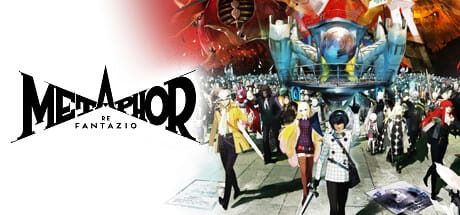
Bottom Line: Metaphor: ReFantazio is a masterful evolution of the Atlus formula that trades high school halls for high-stakes politics, delivering the most refined JRPG experience in a decade.
The Archetype Engine
The brilliance of Metaphor: ReFantazio lies in its Archetype system. Unlike the "Persona" mechanic, which tied power primarily to the protagonist, Archetypes are democratized. Every party member can tap into these heart-manifestations, provided you’ve spent the "MAG" (a secondary currency) to unlock them. This creates a strategic sandbox that is both deep and forgiving. You aren't just picking a "Healer" or a "Tank"; you are building a synergistic team that can be hot-swapped to exploit specific boss weaknesses.
The integration of Synthesis Skills—powerful moves that require two specific Archetypes to be active—adds a layer of tactical planning to every turn. Do you run three "Seekers" for maximum agility, or do you diversify to unlock devastating cross-class combos? The game forces these decisions constantly, and because swapping classes is relatively low-friction, the experimentation loop is addictive rather than exhausting.
The Political Calendar
The "Calendar System" has been an Atlus staple for years, but here it feels significantly more purposeful. In Persona, it often felt like a countdown to the next exam; in Metaphor, it is a race for the crown. Traveling between cities in your "Gauntlet Runner" (a massive, mechanical land-ship) consumes days, forcing you to prioritize which towns to visit and which supporters to cultivate.
This creates a palpable sense of onboarding friction for players who want to see everything, but it's a necessary friction. It makes the world feel vast and your time feel precious. The "Bonds" you form with allies aren't just for flavor; they are political alliances that unlock critical combat passives and new Archetype branches. The writing here is sharp, avoiding the mawkish sentimentality that sometimes plagues JRPGs, focusing instead on how these individuals navigate a world that is actively trying to crush them.
Combat Fluidity & The "Humans"
One of the most significant quality-of-life improvements is the Squad/Overworld combat split. By allowing players to attack and defeat lower-level enemies in real-time on the field, Atlus has effectively eliminated the "grind" associated with backtracking through earlier dungeons. It keeps the pacing brisk. When you do engage in a full "Squad" battle, the Press Turn system remains the gold standard for turn-based combat—rewarding tactical exploitation of weaknesses with extra actions, while punishing mistakes with brutal efficiency.
The enemies themselves—the "Humans"—are a masterstroke of design. These aren't your typical orcs or goblins; they are grotesque, Bosch-inspired monstrosities that look like they’ve bled out of a surrealist painting. Fighting them feels unsettling, reinforcing the game's core theme that the true "monsters" are often those who look most like us.