

Bottom Line: A masterclass in 2D brawling that proves cultural specificity is the secret sauce for action-platformers. It’s fast, visceral, and visually arresting.
The core of The Legend of Tianding lives and dies by its combat loop, and fortunately, the pulse is strong. While many side-scrollers settle for a simple three-hit combo system, Tianding introduces a level of mechanical depth that demands intentionality. You aren't just mashing buttons; you are orchestrating a rhythmic dance of theft and retaliation.
The Art of the Steal
The standout feature is, without question, the waist sash. By weakening an opponent, you can launch a sash attack to disarm them, instantly adding their weapon to your repertoire. This isn't just a cosmetic swap. Stealing a rifle gives you a limited number of ranged shots; an axe provides heavy, guard-breaking swings; a grenade allows for area-of-effect crowd control. This forces a constant reassessment of the battlefield. Do you kill the grunt with the sword first to get a quick melee upgrade, or do you risk a dash toward the sniper to neutralize the ranged threat? This mechanical friction prevents the combat from ever feeling stale, even when the enemy variety plateaus in the mid-game.
Movement and Flow
Tianding’s Kung Fu is fluid, characterized by high-latency-avoiding responsiveness. The controls are tight—essential for a game that frequently asks you to juggle enemies in the air while dodging incoming projectiles. The upgrade system, utilizing magical Talismans, allows for a surprising amount of build customization. Whether you want to focus on "sash-heavy" theft builds or pure martial arts damage, the game provides the tools to do so without forcing a grind.
Narrative Pacing vs. Filler
However, the experience isn't without its onboarding friction. While the boss battles are genuine highlights—spectacular, multi-phase encounters that test your mastery of every mechanic—the connective tissue between them can occasionally feel thin. Some of the side quests in Dadaocheng lean into the "fetch quest" territory that plagues open-world games, feeling slightly repetitive when compared to the high-octane action of the main levels.
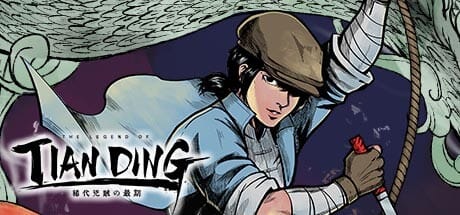
That said, the narrative keeps the momentum going. The decision to present the story through animated comic panels is a masterstroke. It avoids the "uncanny valley" of low-budget 3D cutscenes often found in indie titles, instead leaning into a stylized, high-contrast aesthetic that looks stunning even years after release. It’s a reminder that art direction will always trump raw polygon counts.