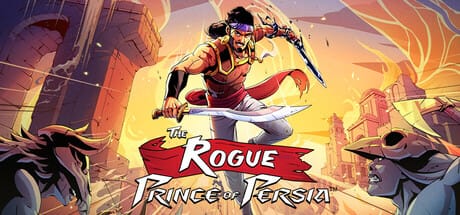

Bottom Line: Evil Empire took the DNA that made Dead Cells sing and grafted it onto a Persian myth, and the result is one of the most kinetic roguelites on the market—even if its Early Access seams still show.
The Gameplay Loop
The core loop is textbook roguelite, and I mean that as a compliment. You start a run, fight through procedurally arranged biomes, collect weapons and medallions that modify your abilities, and push toward a boss. Death resets your position but not your knowledge—or your permanent unlocks. What keeps the loop from feeling like a treadmill is how quickly the moment-to-moment combat rewards mastery.
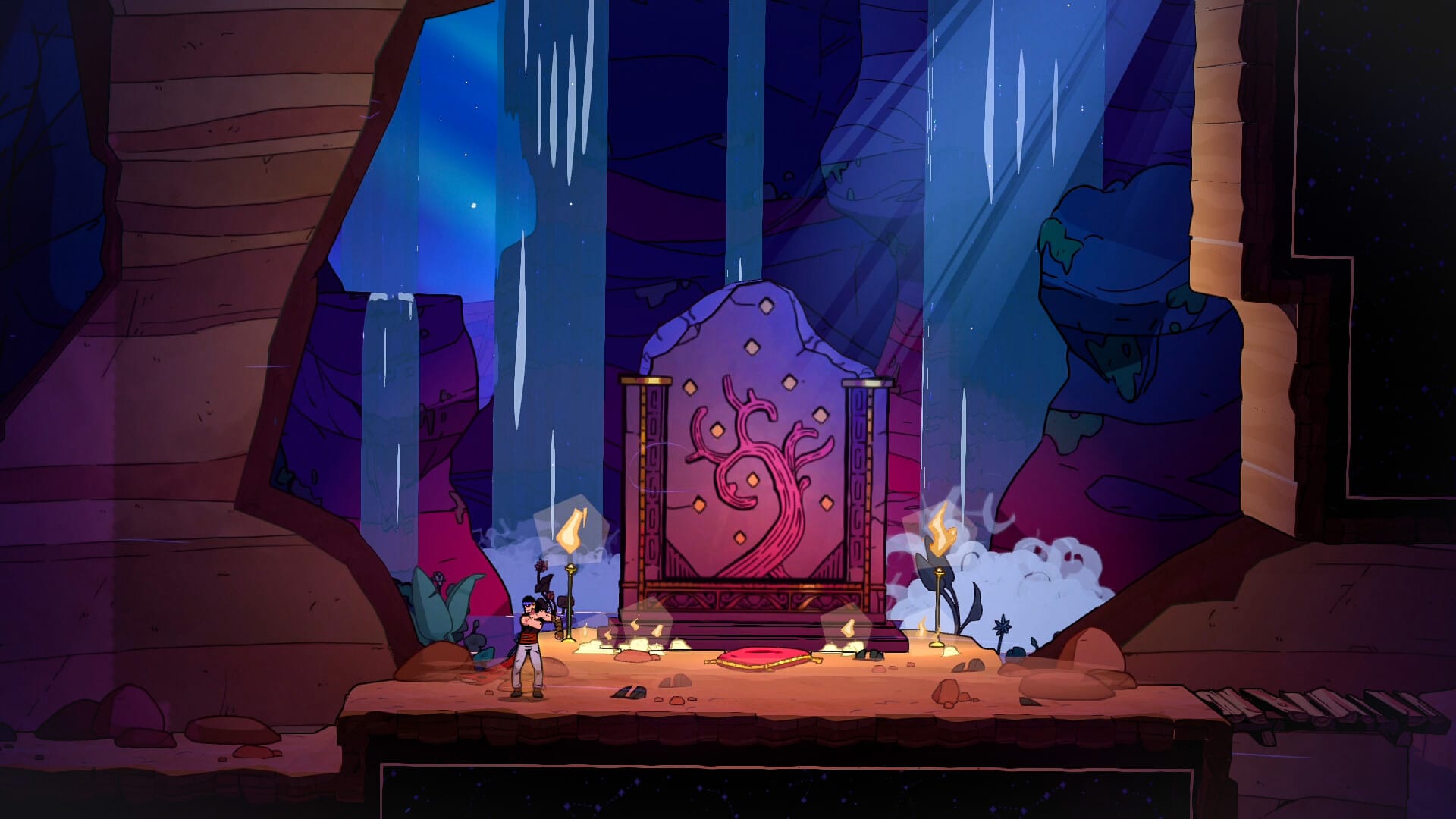
Here's where the game earns its price. Most roguelites ask you to learn enemy patterns and optimize a build. This one asks you to learn space. The Prince moves like a thought—he can be across a room, up a wall, and behind an archer before the animation of his last strike finishes. When it clicks, you stop thinking about "attacking" and "moving" as separate verbs. You're just flowing, and the enemies are obstacles in a line you're drawing through the level.
Build Variety and Synergy
The 100+ weapons and medallions are the engine of replayability. Medallions modify weapon behavior and grant passive effects, and the joy is in the collisions—stacking a bleed effect against a weapon that hits fast, or building around aerial damage to reward your parkour habit. The game actively pushes you to adapt mid-run rather than lock in. Found a weapon that doesn't suit your medallions? Adapt or swap.
That said, this is where Early Access honesty matters. The balance isn't fully cooked. Some weapons wildly outclass others, and a handful of medallion combinations trivialize encounters while others feel like dead weight. Evil Empire has a documented track record of patching this kind of thing into shape—it's literally what they did for Dead Cells for years—but if you buy in today, you're buying into a build economy that's still being tuned.
Onboarding and Friction
The game is generous with its parkour tutorialization but stingy about explaining its deeper systems. Medallion synergies, in particular, are left for you to discover, which delights experimenters and frustrates everyone else. There's a real onboarding friction here for players who don't naturally reverse-engineer systems. And because the movement is so central, the difficulty spikes hard for anyone who hasn't internalized the traversal—this is not a game you can button-mash your way through.
The hub structure does real work smoothing the edges. Returning to meet characters and advance the story gives each death a narrative pretext instead of a pure failure state. It's not Hades-level writing—the characters don't yet carry the same warmth—but it gives the grind somewhere to go.
The deeper issue at launch is content ceiling. The number of biomes is limited, and once you've seen the environments a few dozen times, the procedural arrangement can't fully disguise the repetition. Runs stay mechanically fresh far longer than they stay visually fresh. That's the single biggest asterisk on the experience.