

Bottom Line: To the Moon strips away almost every convention of modern gaming to prove that a profound narrative doesn't require a high-polygon count—it just needs a soul. It is a mandatory experience for anyone who believes games can be more than just toys.
To evaluate To the Moon by the standards of a traditional RPG is to miss the point entirely. There is no combat system, no leveling up, and the "puzzles" are little more than brief interruptions—simple tile-flipping exercises designed to unlock the next memory. If you are looking for mechanical depth, you will find a shallow pool. But as an exercise in narrative delivery, the game is nearly peerless.
The Narrative Engine
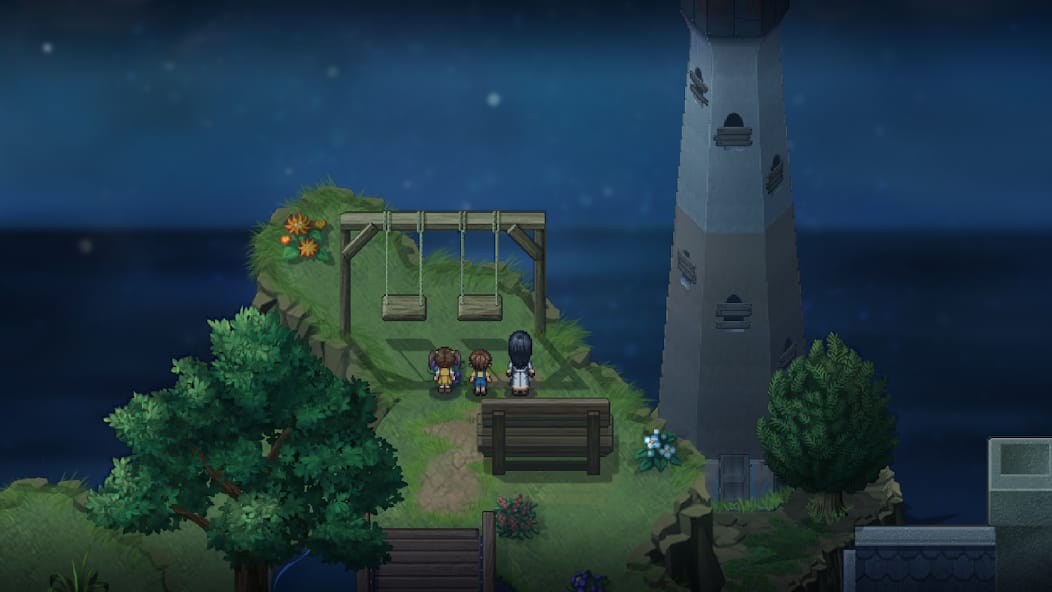
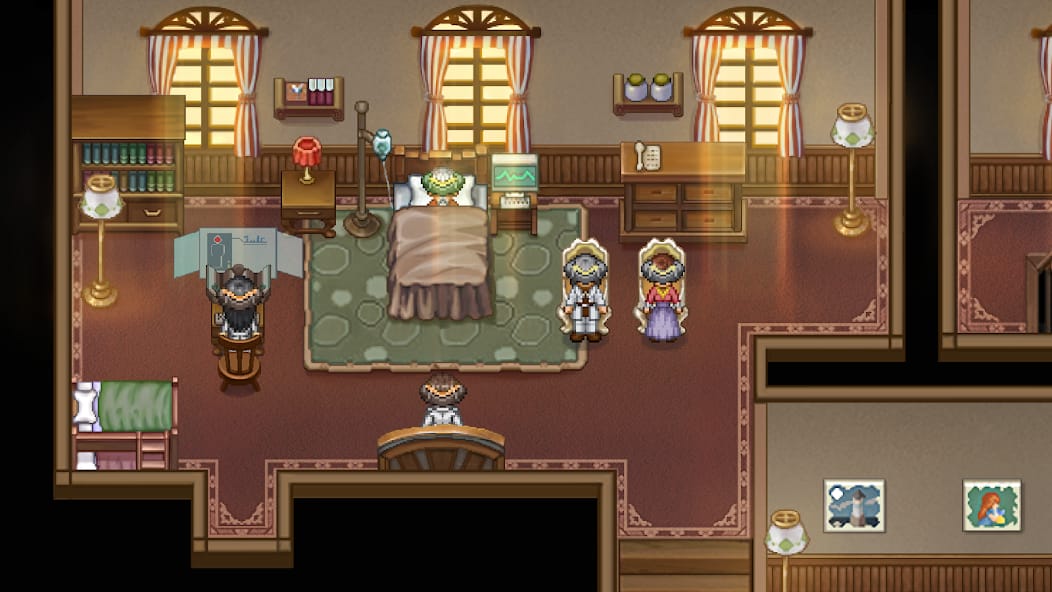
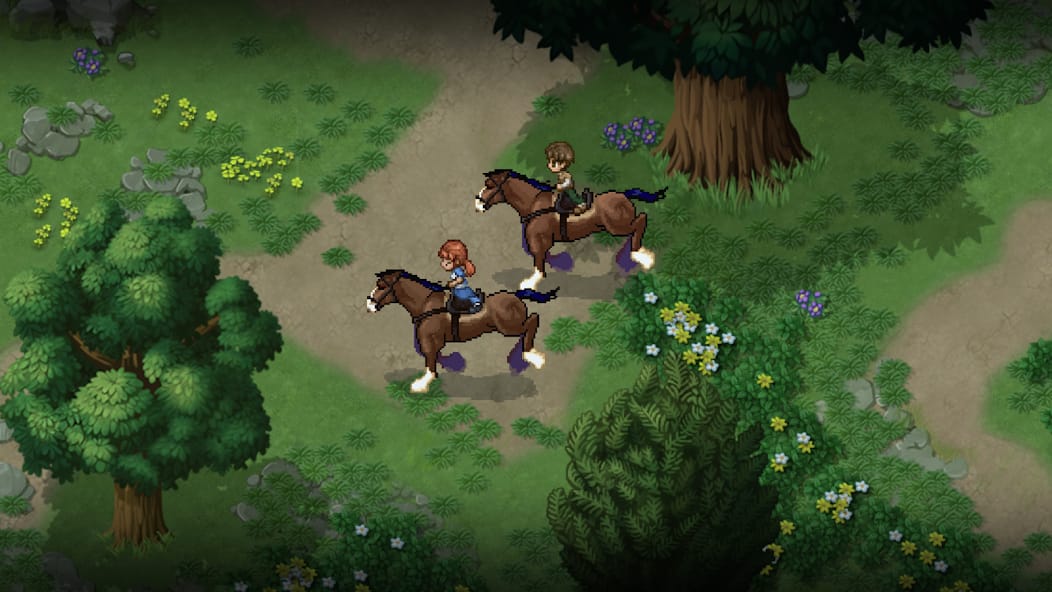
The game’s primary "loop" involves exploring a specific period of Johnny’s life, finding "mementos" that resonate with him, and using them to jump further back into his past. This backward trajectory is brilliant. It turns every oddity we see in the "present"—a house filled with paper rabbits, an obsession with a lighthouse, a strained relationship with his wife, River—into a puzzle piece. By the time you reach Johnny’s childhood, the emotional payoff is devastating because you finally understand the origin of his lunar aspirations. The writing avoids the trap of melodrama by grounding its characters in believable, often messy, human behavior.
Character Study and Neurodivergence
One of the most impressive aspects of the script is its handling of sensitive themes. Without using modern clinical labels, the game poignantly explores the life of a character on the autism spectrum (River). It avoids tropes of pity, instead focusing on the communication friction between two people who love each other but speak entirely different emotional languages. Watching Johnny struggle to understand River’s non-verbal cues over decades is heart-wrenching, and it makes his ultimate desire to "change" his past to fulfill a promise he forgot all the more complex. It raises uncomfortable ethical questions: Is an artificial happy ending better than a difficult, authentic life?
Pacing and Tonal Balance
The game’s 16-bit aesthetic might suggest a retro adventure, but the pacing is modern. It clocks in at a lean four to five hours—long enough to build a deep connection with the cast, but short enough to never overstay its welcome. The inclusion of Dr. Watts is a masterstroke of tonal management. His meta-commentary and frequent jokes act as a safety valve, preventing the player from being completely overwhelmed by the crushing sadness of Johnny's terminal state. However, there are moments where the humor feels a bit too "internet-era" and jars against the game’s more somber beats, but these are minor gripes in an otherwise airtight script.