
Bottom Line: Audiobookshelf is the definitive answer to the "SaaS-ification" of your ears, offering a robust, self-hosted sanctuary for digital bibliophiles who value ownership over subscriptions. It is the Plex of audiobooks, demanding a technical entry fee but paying dividends in total media sovereignty.
The Self-Hosted Tax
The greatest strength of Audiobookshelf is also its highest barrier to entry. This isn't a "download and go" experience. You are the sysadmin. Setting up the server involves configuring Docker containers, managing file permissions, and potentially navigating reverse proxies for remote access. This onboarding friction is significant, but it’s the price of admission for a service that doesn't harvest your data. For those who have already dipped their toes into the self-hosting ecosystem, the setup is remarkably logical, but the uninitiated may find the initial hurdle daunting.
Orchestrating the Library
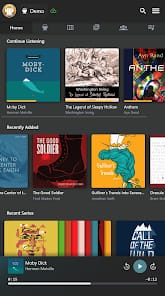
Once your files are mapped, the scraping engine is nothing short of a miracle. Managing a 500-book library manually is a nightmare; Audiobookshelf handles the heavy lifting with surgical precision. It understands that The Way of Kings is Book 1 of The Stormlight Archive, and it groups them accordingly. The Series Tracking feature is particularly vital for power users, providing a visual flow of long-running narratives that commercial apps often bury in search menus. The ability to "match" or "unmatch" metadata manually provides the granular control that data-hoarders crave.
The Syncing Paradox
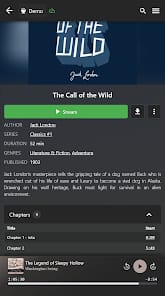
Streaming audiobooks is notoriously difficult for most home servers due to the file sizes and the necessity of sub-second progress tracking. Audiobookshelf solves the latency issues that plague many DIY solutions. The progress-syncing system is the "killer feature" here. If you listen to twenty minutes on your desktop browser during lunch, your Android phone is updated the moment you open the app for your commute. In testing, the sync was nearly instantaneous, rivaling the polished (and expensive) infrastructure of Amazon’s Whispersync.
Interface & Utility
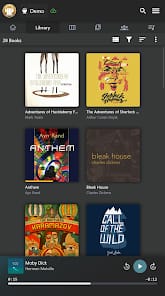
The interface prioritizes information density without feeling cluttered. The web dashboard provides a panoramic view of your library, featuring a "Continue Listening" shelf that dominates the top of the fold. Navigating through authors or collections is intuitive, utilizing a sidebar that feels modern and responsive.
However, the real utility shines in the Podcast Aggregator. By integrating an RSS-based podcast player into the same ecosystem as your audiobooks, Audiobookshelf becomes a unified hub for all long-form audio. This consolidation reduces app fatigue. Instead of jumping between Audible for books and Pocket Casts for shows, you have a singular, high-performance destination. The built-in player is surprisingly sophisticated, offering silence skipping, variable playback speeds (up to 3.0x), and a sleep timer that actually works.
User Experience Flow
The flow from discovery to consumption is streamlined. You add a folder of files to your server; the server identifies them; you open your phone and hit play. It sounds simple, but the underlying complexity of handling M4B chapters or merging multiple MP3 files into a single cohesive book "object" is a technical feat that Audiobookshelf executes with grace. The inclusion of custom collections allows you to curate reading lists—"Summer Thrillers" or "History Deep Dives"—which adds a layer of personalization that makes the library feel like a curated gallery rather than a cold directory of files.