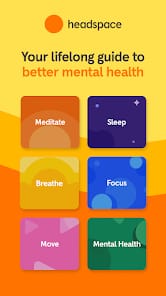



Bottom Line: Headspace offers an unparalleled breadth of accessible mental wellness tools, expertly packaged for the modern digital consumer, yet its premium pricing model continues to be its most significant point of friction.
Headspace enters a crowded arena, yet consistently distinguishes itself through a singular commitment to pedagogical rigor and design excellence. Its core strength lies not just in offering meditations, but in structuring them into coherent, progressive "packs" that genuinely teach mindfulness principles rather than merely presenting isolated relaxation techniques. The onboarding experience is a masterclass in user retention; new users are gently led through foundational concepts, demystifying meditation without patronizing them. This approach, rooted in Puddicombe’s extensive monastic background, imbues the content with an authenticity often lacking in digital wellness pretenders.
The efficacy of Headspace’s offerings, particularly for stress reduction and improved sleep, is frequently lauded by its user base, reflected in its impressive 4.8/5 rating on the iOS App Store. The Sleepcasts, for instance, are not just white noise generators; they are carefully constructed auditory journeys designed to disengage the active mind, leveraging narrative and sound design with impressive psychological insight. This granular attention to detail extends to its mindful movement guides, which offer a refreshing counterpoint to purely sedentary meditation, acknowledging the holistic nature of well-being.
However, no platform, no matter how well-intentioned or expertly crafted, escapes scrutiny. The most persistent criticism leveled against Headspace centers on its subscription cost. While the depth and breadth of content, combined with continuous development, arguably justify a premium, the barrier to entry can be substantial for many. In an ecosystem increasingly dominated by freemium models, Headspace's insistence on a largely gated experience, even for its more basic features, sparks ongoing debate. This isn't merely an economic quibble; it raises questions about the very mission of democratizing mindfulness if access remains restricted by financial means.
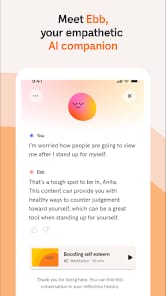
The integration of AI for personalized guidance represents a double-edged sword. While the promise of tailored experiences is alluring, algorithmic curation, even for mental wellness, inevitably introduces a layer of abstraction between the user and the raw, unmediated experience of mindfulness. There’s a delicate balance to strike between helpful suggestion and prescriptive direction, and whether Headspace's AI always errs on the side of genuine empowerment rather than algorithmic nudging remains a subject for deeper qualitative analysis.
Furthermore, some users report occasional dissatisfaction with UI changes. While continuous iteration is vital in software development, radical shifts in familiar layouts can introduce friction, temporarily disrupting a user's ingrained habits and comfort within an app primarily designed for calm and stability. This highlights a fundamental tension: how does a digital wellness platform evolve without inadvertently unsettling the very users it seeks to soothe?
The expansion into mental health coaching and therapy services is a strategic, albeit complex, move. It positions Headspace as a gateway to more clinical interventions, bridging the gap between self-help and professional support. This is a commendable ambition, but it also elevates the platform's responsibility, demanding rigorous ethical oversight and robust data privacy protocols—a far cry from simply guiding a beginner through their first meditation.