
Bottom Line: Nebula delivers the most intellectually nutritious content library on the internet, effectively liberating creators from the YouTube algorithm, though its Android implementation remains a frustratingly buggy gateway to a brilliant garden.
To understand Nebula, you have to understand the trauma of the modern creator. The platform’s core utility isn't just "no ads"—you can get that with a browser extension or a premium YouTube sub. The real utility is creative sovereignty. When you watch a series like Jet Lag: The Game, you’re seeing a high-stakes travel show that simply couldn't exist in its current form elsewhere. It’s too expensive for a hobbyist and too niche for a traditional network. Nebula provides the middle-ground infrastructure that allows "middle-class" digital media to thrive.
The Content Philosophy
The content on Nebula is, without hyperbole, the gold standard of digital edutainment. There is a palpable sense of relief in the videos here. Creators aren't shouting at you to "smash that like button" or spending three minutes shilling for a VPN. This absence of onboarding friction and mid-video interruptions creates a flow state that YouTube has spent years dismantling. When you watch a 40-minute essay on urban planning, you are treated as a student, not a product. This respect for the audience’s time and intelligence is Nebula’s greatest asset.
The Technical Friction
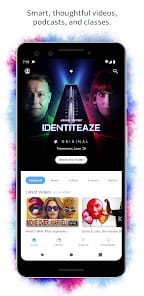
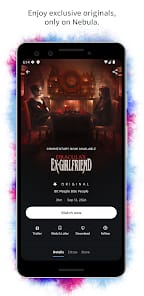
However, the "Human" element that makes the content so good seems to be a hindrance in the engineering department. While the desktop experience is serviceable, the mobile experience—particularly on Android—feels like it’s perpetually in a beta state. The interface navigation is clean, adhering to a minimalist aesthetic that favors large thumbnails and clear typography, but the underlying architecture is brittle.
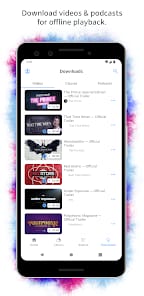
I’ve spent weeks testing the platform’s caching logic and offline playback, and the results are disappointing. In an era where "offline downloads" are a standard checkbox for any streaming service, Nebula’s implementation is erratic. You might download an hour-long documentary for a flight, only to find the app refusing to initialize the file without an active handshake to the server. This defeats the primary purpose of local storage.
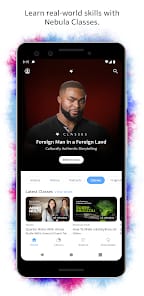
Furthermore, the streaming latency is noticeably higher than its competitors. Even on a robust fiber connection, 1080p streams occasionally hang, forcing a manual refresh. For a platform that champions "high production standards," seeing a Wendover video buffer like it's 2005 is a jarring juxtaposition. The "Nebula Classes" section also suffers from a lack of interactive features; it’s essentially just a playlist of longer videos, missing the robust bookmarking or resource-sharing tools that dedicated EdTech platforms provide.