

Bottom Line: Type:Rider is one of the most beautiful history lessons you'll ever play—a gorgeous, atmospheric platformer whose floaty physics never quite live up to the genius of its concept. Play it for the art and the education; forgive it for the controls.
The Gameplay Loop
Strip away the concept and Type:Rider is a momentum-based platformer. You roll your colon left to right, build speed, launch off ledges, and use physics to reach collectibles tucked into the architecture. The core loop is simple: traverse, collect, unlock lore, move on. It's a rhythm built for flow, not friction—closer to a relaxing atmospheric explorer than a twitchy precision platformer.
And when it flows, it's lovely. There's real satisfaction in nailing a long roll down a serif's descender, catching air, and snagging a hard-to-reach letter mid-arc. The puzzles—mostly environmental physics problems involving levers, gears, buoyancy, and moving type—are cleverly themed. Watching Gutenberg's press stamp the world into existence around you as you solve it is the sort of moment that justifies the whole project.
Here's the problem. The controls are floaty. This is the single most common complaint across every platform, and it's earned. Your colon carries momentum like a marble on glass, and the two-dot design means your center of gravity is always shifting. Landings feel imprecise. Fine adjustments feel like negotiations rather than commands. Most of the time this is a minor annoyance—the game is generous, checkpoints are frequent, and death rarely costs you much.
But the game occasionally forgets what it is. A handful of levels introduce deadly hazards and timing-based sequences that demand precision the control scheme simply can't deliver reliably. When a game asks for a pixel-perfect jump using controls designed for loose, meditative rolling, the mismatch stops being charming. It becomes the reason you put the controller down. That tension—between a relaxed explorer and an occasionally punishing platformer—is Type:Rider's central design flaw.
The Education
This is where the game is unimpeachable. The archive content is genuinely excellent—concise, accurate, and written with a curator's care rather than a marketer's gloss. You come away understanding why Baskerville felt radical, why Helvetica conquered the corporate world, why the printing press was one of history's true inflection points. It's the rare "educational" label that isn't an apology.
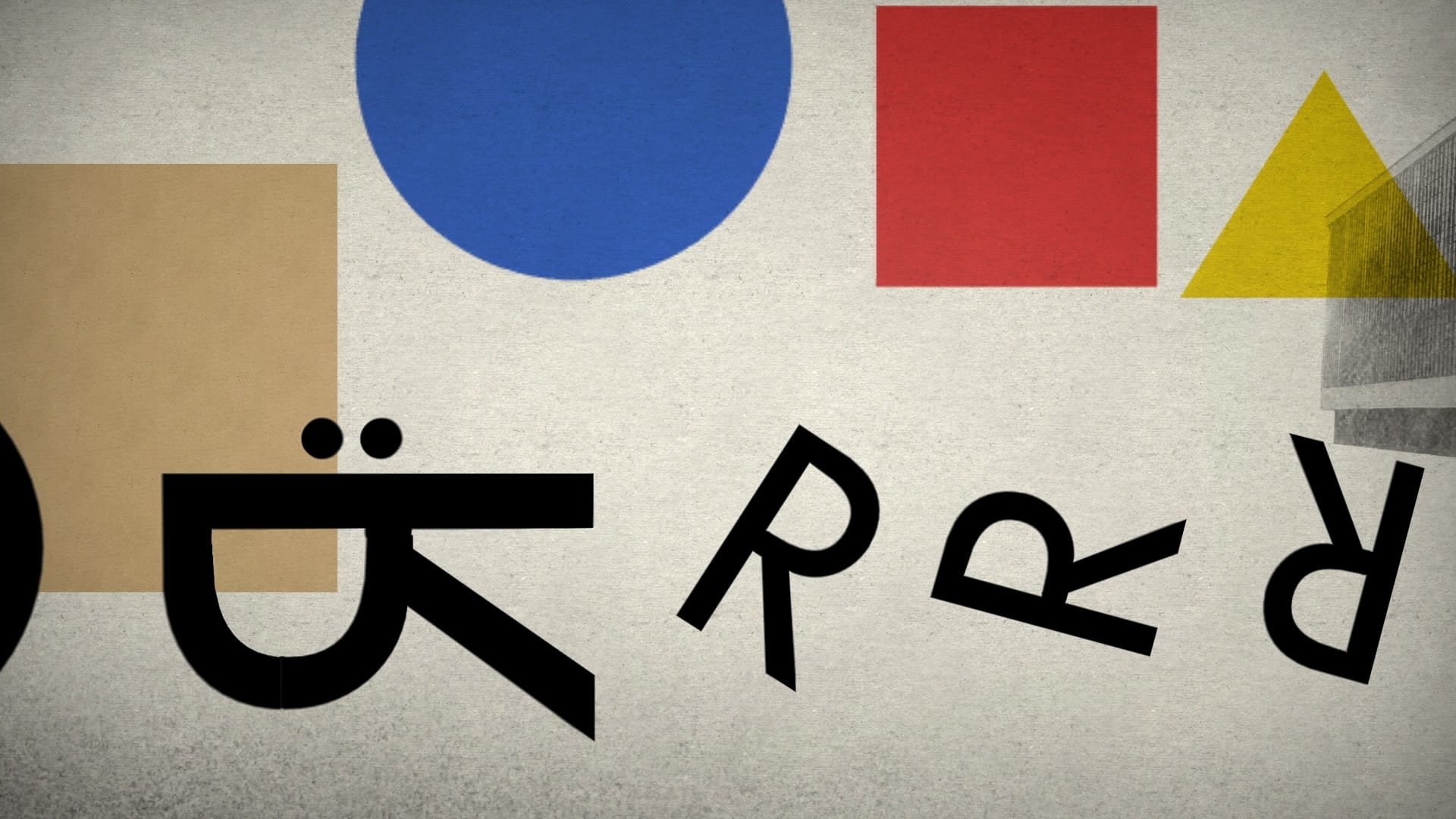
Crucially, the learning is diegetic. You're not reading a textbook between levels. You're rolling through the aesthetic DNA of each era, and the level design itself teaches you—the harsh geometry of modernism, the ornate flourishes of the Renaissance. The archives deepen what the environment already communicated. That integration is the game's masterstroke, and it works far better than the platforming that delivers it.
Interface and Onboarding
The UI is minimal to the point of near-silence, which suits the mood but occasionally leaves you guessing at objectives. Onboarding friction is low—you'll understand the controls in seconds—but the game never fully explains its collectible economy or why you'd want to hunt every asterisk. Motivated players will dig; casual ones may drift past half the content without realizing what they missed.