
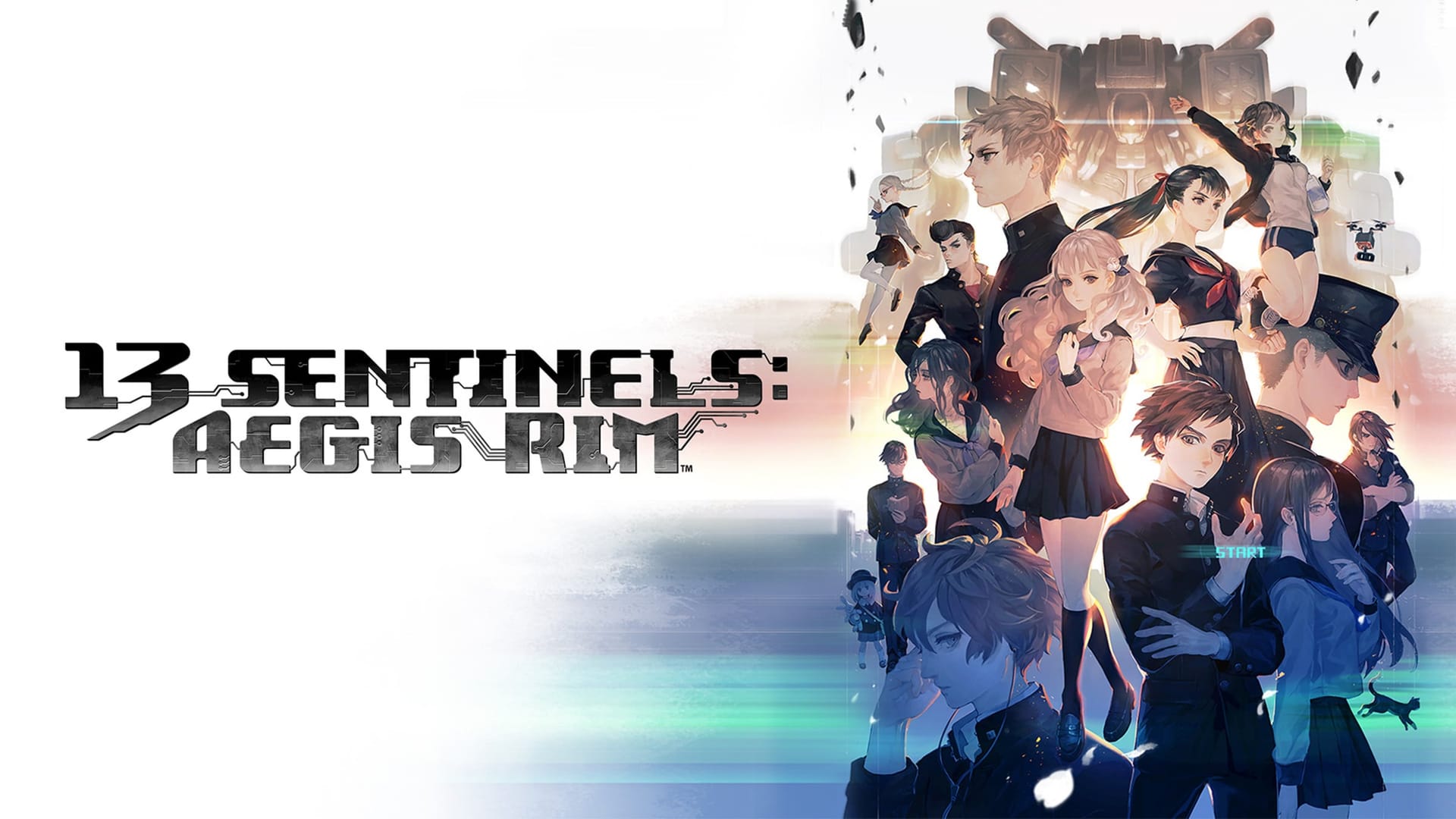

Bottom Line: An audacious, brain-melting sci-fi epic that proves Vanillaware is the industry’s premier storyteller, even if the tactical combat trades visual splendor for functional abstraction.
The core of 13 Sentinels is a massive narrative puzzle that refuses to hold your hand. The Remembrance mode is where the heavy lifting happens. Instead of a linear progression, you are presented with a character select screen that slowly expands. You might spend an hour as Juro Kurabe in 1985 Japan, only to hit a "locked" state that requires you to play as a different character in a different era to proceed. This creates a fascinating gameplay loop of discovery and frustration—the "aha!" moments are earned through genuine deductive reasoning rather than simple button prompts.
The Narrative Jigsaw
The writing avoids the "lazy AI" trap of explaining everything twice. Instead, it relies on environmental storytelling and sharp dialogue to establish its stakes. You are constantly questioning the reality of the situation: Are these characters time-traveling? Are they in a simulation? Is this an alien invasion or a domestic military experiment? By fragmenting the story across thirteen perspectives, Vanillaware ensures that you are always missing just enough information to keep you hooked. The onboarding friction is high—the first three hours are a blur of names and dates—but once the rhythm clicks, the pacing becomes relentless.
Tactical Abstraction
When you aren't navigating the social minefields of a 1980s high school, you are engaged in Destruction mode. Here, the game shifts from lush, hand-painted vistas to what can only be described as a "glorified spreadsheet." The combat is visually abstract, representing the city and the Kaiju as neon icons on a blue grid. For some, this lack of visual fidelity compared to the story segments will be a disappointment. However, the mechanical depth is undeniable.
The strategy lies in Sentinel customization. You have four generations of mechs: melee-focused brawlers, all-rounders, long-range supports, and flight-capable interceptors. Managing the latency between attacks and choosing the right pilot abilities is critical, especially on higher difficulty settings. The tactical layer provides a necessary palate cleanser to the heavy narrative, even if the "neon wireframe" aesthetic feels like a missed opportunity to see these giant robots in their full, hand-drawn glory.
The Analysis Anchor
Special mention must be given to the Analysis mode. In a lesser game, this would be a throwaway codex. In 13 Sentinels, it is the spine of the experience. It tracks every event chronologically, allowing you to see exactly where one character's 1945 story intersects with another's 2105 timeline. It’s a tool for the player-as-detective, and its inclusion is a brilliant bit of UX design that acknowledges the sheer density of the plot.