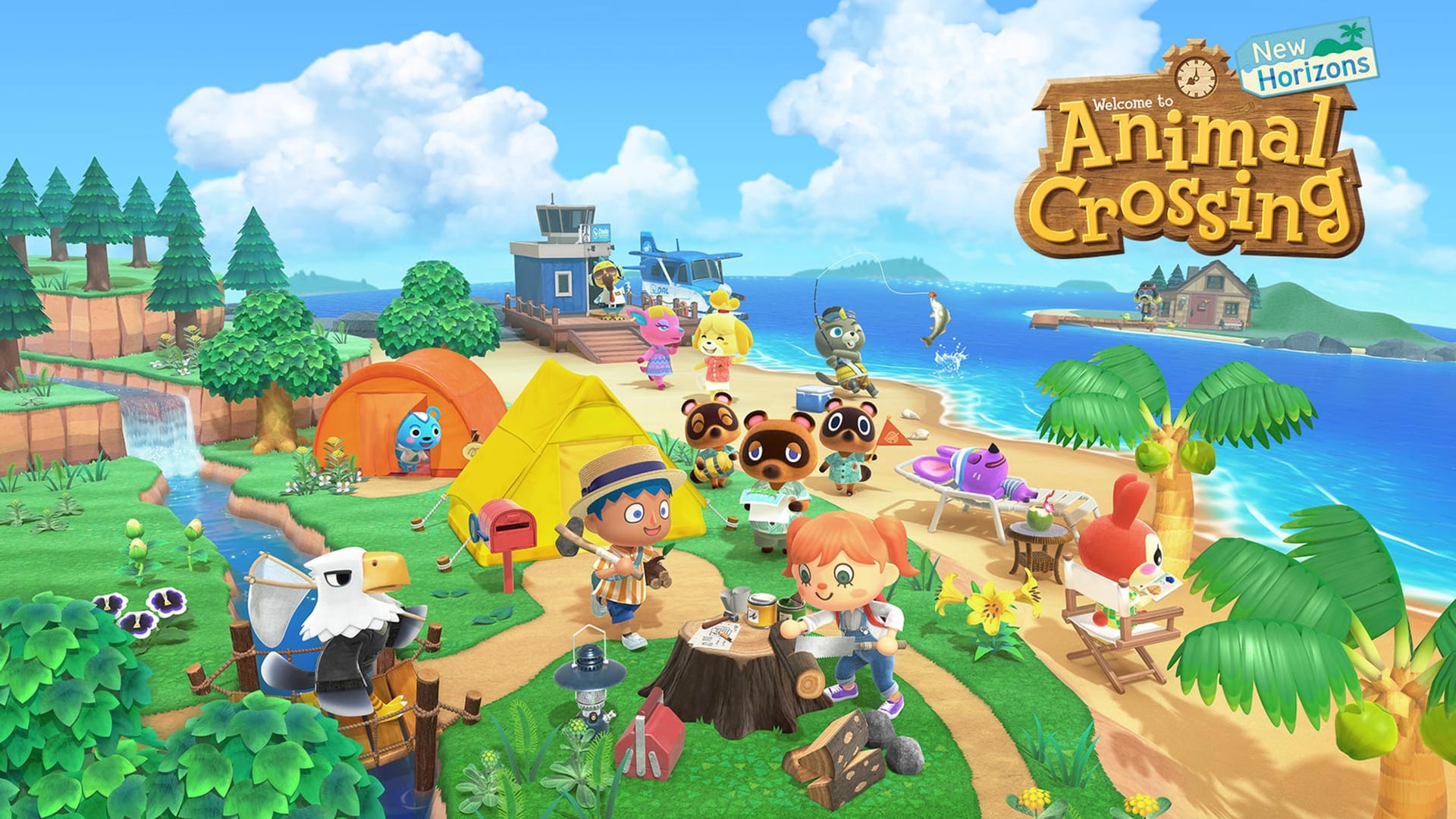
Bottom Line: Nintendo's latest island-life simulator delivers an unparalleled sense of tranquil customization, yet beneath its charming veneer lies a surprising current of missed opportunities and design choices that occasionally grate against its otherwise idyllic experience.
The core of Animal Crossing: New Horizons' enduring appeal—and its most significant technical achievement—lies in its unparalleled customization suite. For the first time, players aren't just decorating a house; they're designing an entire ecosystem. The ability to terraform, to carve out rivers and erect cliffs with simple tools, fundamentally transforms the player's relationship with the environment. This isn't just cosmetic; it's foundational. The early game, an intricate onboarding process guided by the ubiquitous Tom Nook, adeptly introduces these concepts, slowly unfurling new capabilities as the island develops. The progression feels organic, rewarding consistent engagement without demanding relentless grinding.
The DIY crafting loop is both a blessing and, at times, a mild curse. The satisfaction of turning raw materials into a bespoke piece of furniture is undeniable, creating a tangible sense of accomplishment that permeates every play session. This system also cleverly gates progress, nudging players to explore, fish, catch bugs, and engage with their environment. However, the friction points become apparent with the incessant need to craft multiple identical items, or the cumbersome interface for crafting one item at a time. In an experience so otherwise committed to tranquility, these small mechanical snags can introduce a surprising amount of tedium, detracting from the otherwise meditative quality of resource gathering.
Villager interactions, a cornerstone of the franchise, remain charming, if occasionally shallow. The diverse cast of animal residents provides ample personality, their idiosyncratic dialogues and requests adding warmth to the island community. Yet, after hundreds of hours, the dialogue repetition becomes stark. While each villager type has distinct personality traits, the limited pool of conversational snippets quickly exhausts itself, transforming novel interactions into predictable exchanges. This superficiality in long-term social engagement stands in contrast to the game's depth in environmental customization.
Nintendo's decision to enforce a "one island per console" restriction was a perplexing oversight, particularly for a game designed for shared family consoles. This design choice inherently limits household-level multi-user engagement and forces players into an awkward, shared vision of the island, rather than enabling individual creative expression within the same physical device. It feels like an anachronistic limitation in an otherwise forward-thinking title.
Furthermore, the game's real-time system, while brilliant for long-term immersion, also means that content delivery is paced deliberately. While this fosters a relaxing rhythm, some critics correctly pointed out a perceived lack of deep content in the immediate post-launch period. The slow drip of updates and events, while ultimately enriching, sometimes left veteran players wanting more substantial, persistent activities beyond the core loop. This isn't a game for those who demand an endless stream of new mechanics, but rather for those who appreciate the subtle evolution of a living, breathing digital world. Despite these minor criticisms, the pervasive sense of calm, the gentle encouragement to create, and the sheer visual charm establish New Horizons as a technological marvel in its genre. It is, unequivocally, a masterclass in escapism.