
Bottom Line: Barotrauma crafts an unparalleled, often brutal, co-op survival horror experience, forcing players to confront both Lovecraftian horrors and their own crew's incompetence within a claustrophobic submarine. It is a masterclass in emergent chaos, yet demands a significant investment from its players.
Barotrauma is a game that eschews superficiality for profound, often punishing, depth. Its core appeal lies in the meticulous simulation of a submarine environment, transforming every journey into a tense ballet of resource management and crisis response. The very act of operating the vessel demands a significant cognitive load. A new player, fresh from the simplified UIs of other co-op titles, will find themselves utterly adrift. Learning to manage ballast tanks, understand electrical wiring, operate sonar effectively, and coordinate weapon fire is a steep onboarding curve, but one that ultimately rewards dedication with a powerful sense of mastery. This complexity, however, reveals a fundamental dichotomy: Barotrauma is unequivocally designed for multiplayer.
Gameplay Loop
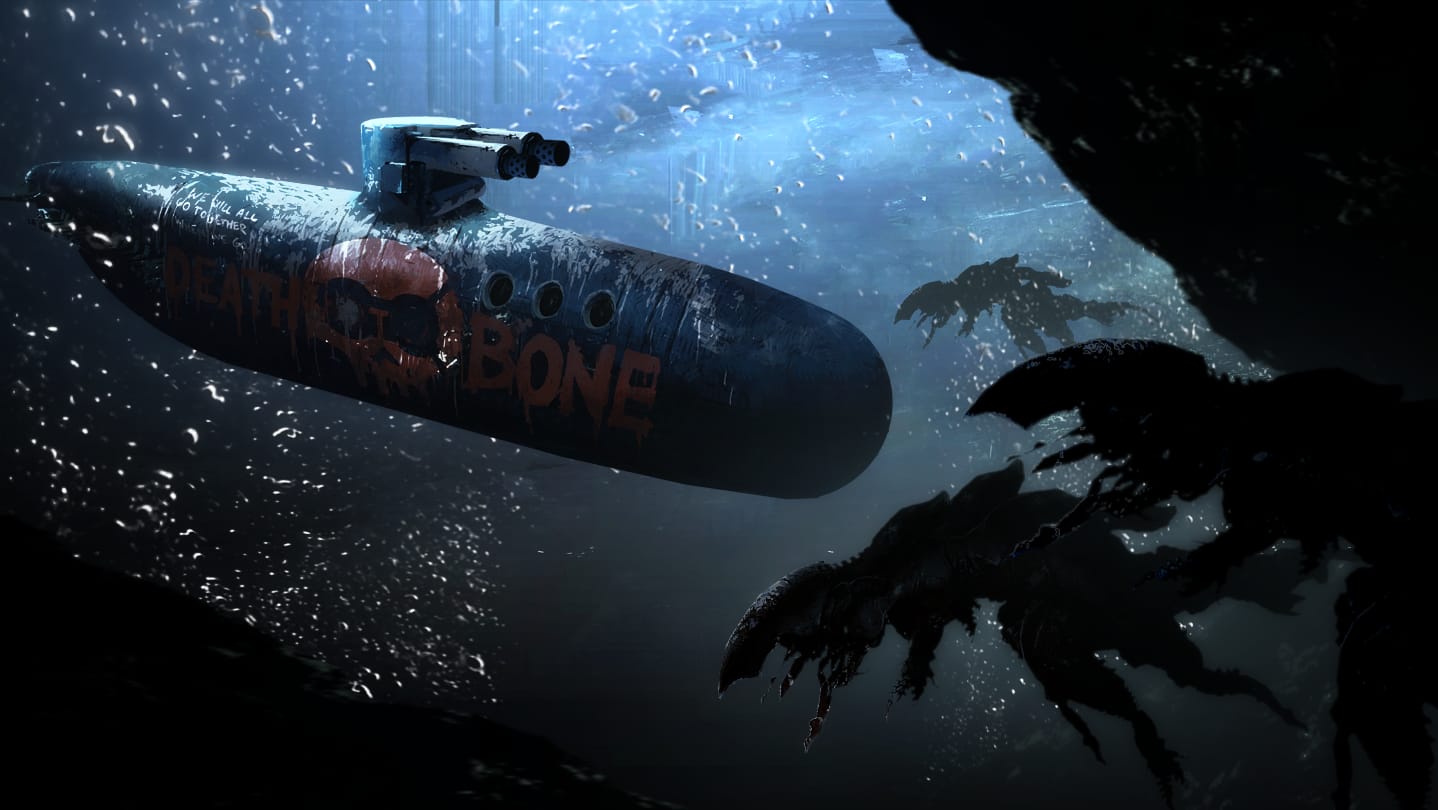
The fundamental loop revolves around preparing the submarine, embarking on a mission, encountering inevitable disaster, and scrambling to mitigate it. Whether it's a sudden hull breach from a colossal creature, a reactor meltdown due to an inexperienced engineer, or a parasitic infection spreading through the crew, the game consistently generates emergent narratives. These aren't just minor setbacks; they are often cascading failures that force players to make agonizing decisions under extreme pressure. Do you patch the hull, fight the creature, or triage the injured crewmate? The answer is usually "all of the above, immediately." This pressure cooker environment is where Barotrauma truly shines, forging intense bonds (or bitter rivalries) between players. The game provides the canvas; the players, with their decisions and their blunders, paint the masterpiece of chaos.
Interface & Role Specialization
The 2D, side-scrolling perspective is deceivingly simple. Beneath its surface lies a sprawling network of interactable devices, intricate circuit boards, and inventory management screens. The interface, while functional, is not always intuitive. Identifying specific components, understanding their function, and repairing them requires diligent attention to detail, often exacerbated by a flickering emergency light and an alarm blaring. This complexity reinforces the necessity of role specialization. A competent engineer will instinctively understand power grids, a diligent medic can keep the crew alive against impossible odds, and a skilled captain can navigate the hostile depths. Without this specialization, or with inexperienced players in critical roles, a mission quickly devolves into an unrecoverable disaster. This is not a flaw, but a deliberate design choice that amplifies the game's core theme of desperate cooperation.
The Traitor Mechanic & Atmosphere
Perhaps Barotrauma's most brilliant, and often infuriating, innovation is its optional traitor mechanic. Introducing a saboteur into an already fragile ecosystem of human cooperation elevates the tension exponentially. Every flickering light, every unexpected leak, every "accidental" discharge of a railgun can be attributed to an alien monster or a fellow crewmate. This psychological warfare adds a layer of paranoia that few games achieve, turning trusted allies into potential adversaries. This, combined with the oppressive sound design—the groaning of the hull, the distant clicks and roars of unseen leviathans, the static of a dying radio—crafts an atmosphere of relentless dread. Europa's abyssal plains are not just dangerous; they feel actively hostile, alive with an unseen malevolence that permeates every pixel. Single-player, while technically possible with AI crew, severely diminishes this core experience, turning a vibrant, chaotic co-op into a frustrating exercise in micromanagement. The AI is serviceable for routine tasks but utterly incapable of replicating the quick thinking, resourcefulness, or sheer panic of a human player during a full-blown crisis.