Bottom Line: Bio Prototype is the rare survivors-like that treats its player like an engineer instead of a slot machine—a grotesque, brilliant node-editor disguised as a bullet-hell, hobbled only by a UI that seems allergic to helping you.
The Gameplay Loop
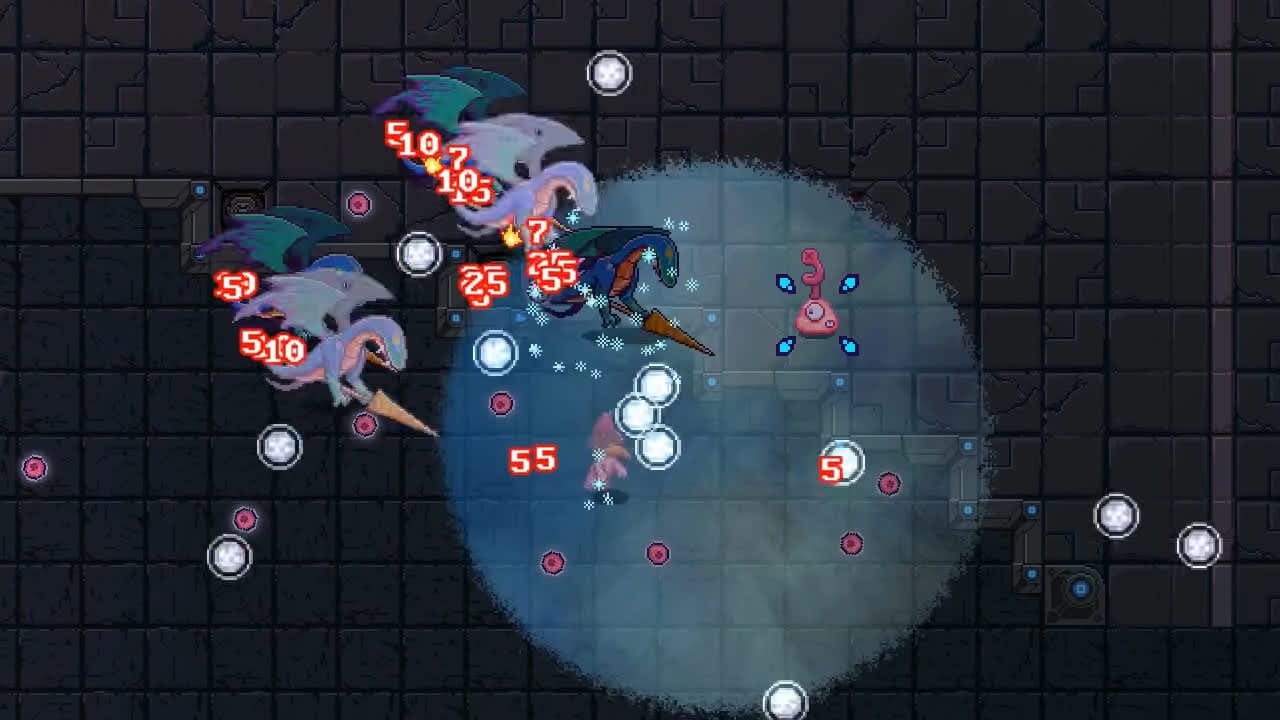
Here's the tension at the heart of Bio Prototype, and it's a productive one. The moment-to-moment combat is the dumbest part of the game—by design. You move. Your organs fire. You dodge. There's little manual aiming, little skill expression in the arena itself. The auto-shooter chassis is a delivery mechanism, and it knows it.
The actual game happens on the pause screen.
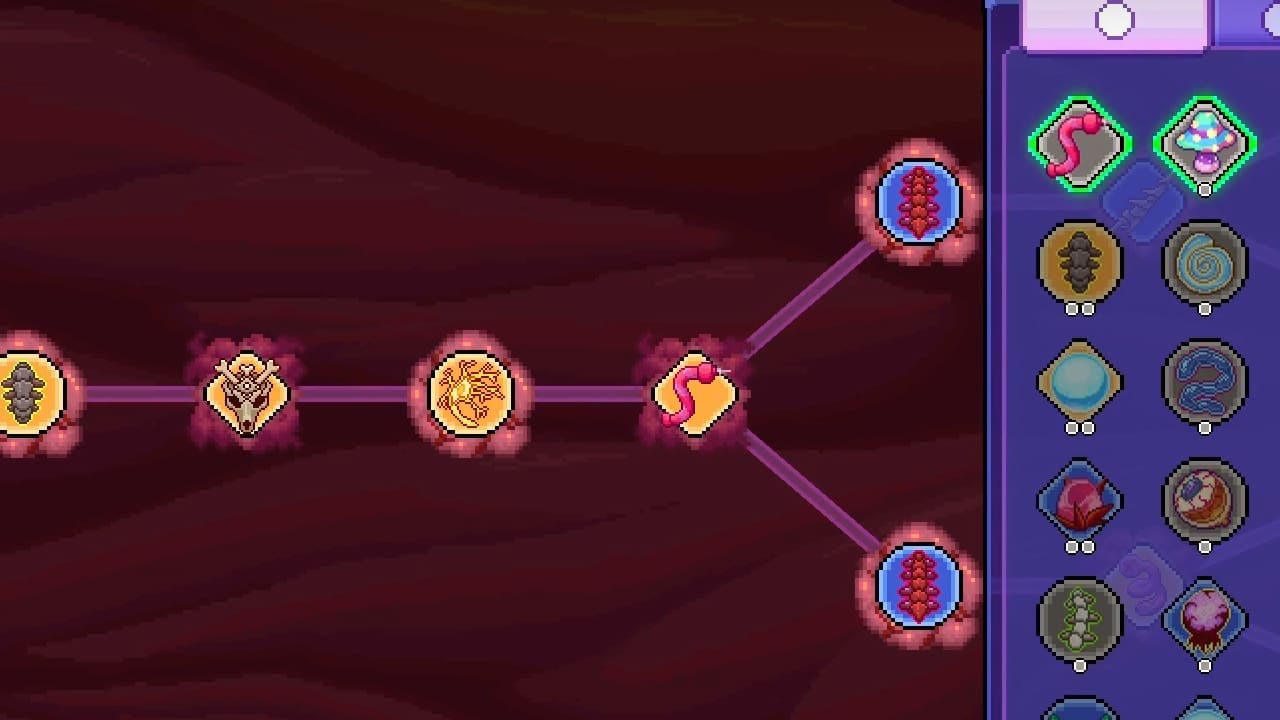
Between waves, you drop into the organ editor, and this is where Bio Prototype either grabs you by the throat or loses you entirely. You have a monster. You have a fistful of harvested organs. And you have a blank canvas of trigger conditions and causal relationships waiting to be wired. The first hour is bewildering. You'll slap organs down semi-randomly, watch your creature flail, and wonder what you're missing. Then, somewhere around the second or third run, it clicks: this is a programming language, and you've been treating it like a loot table.
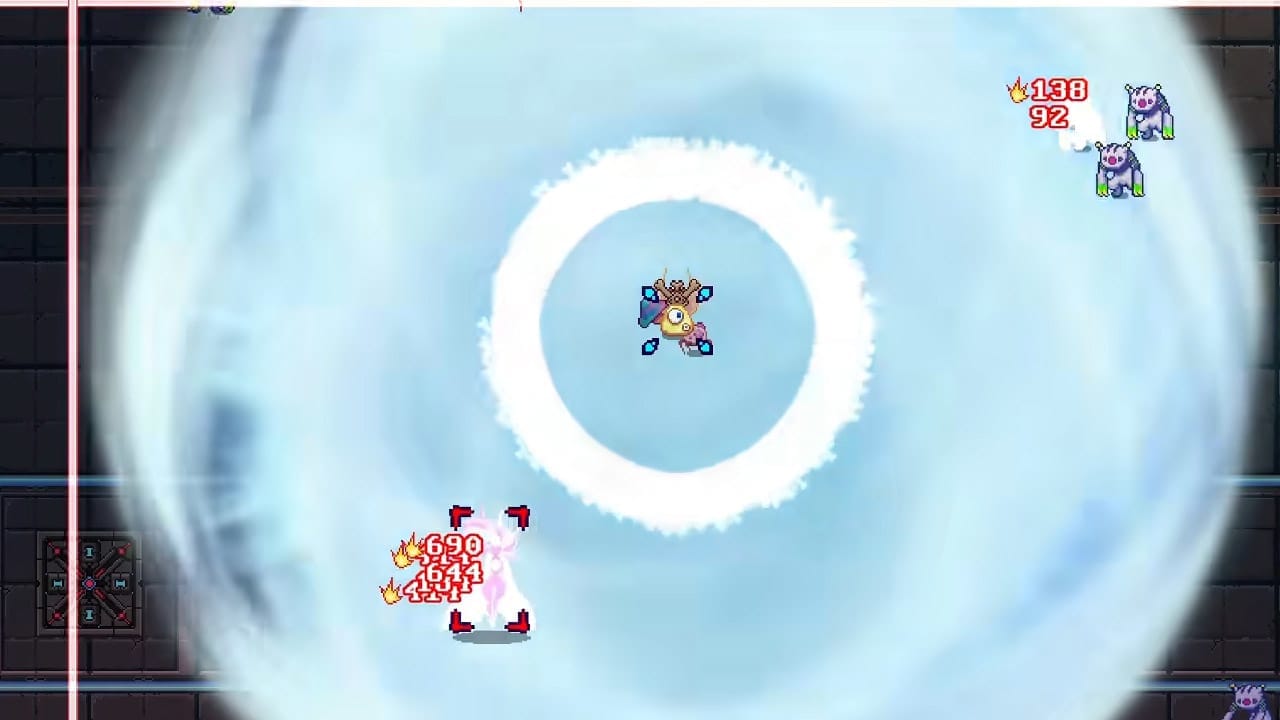
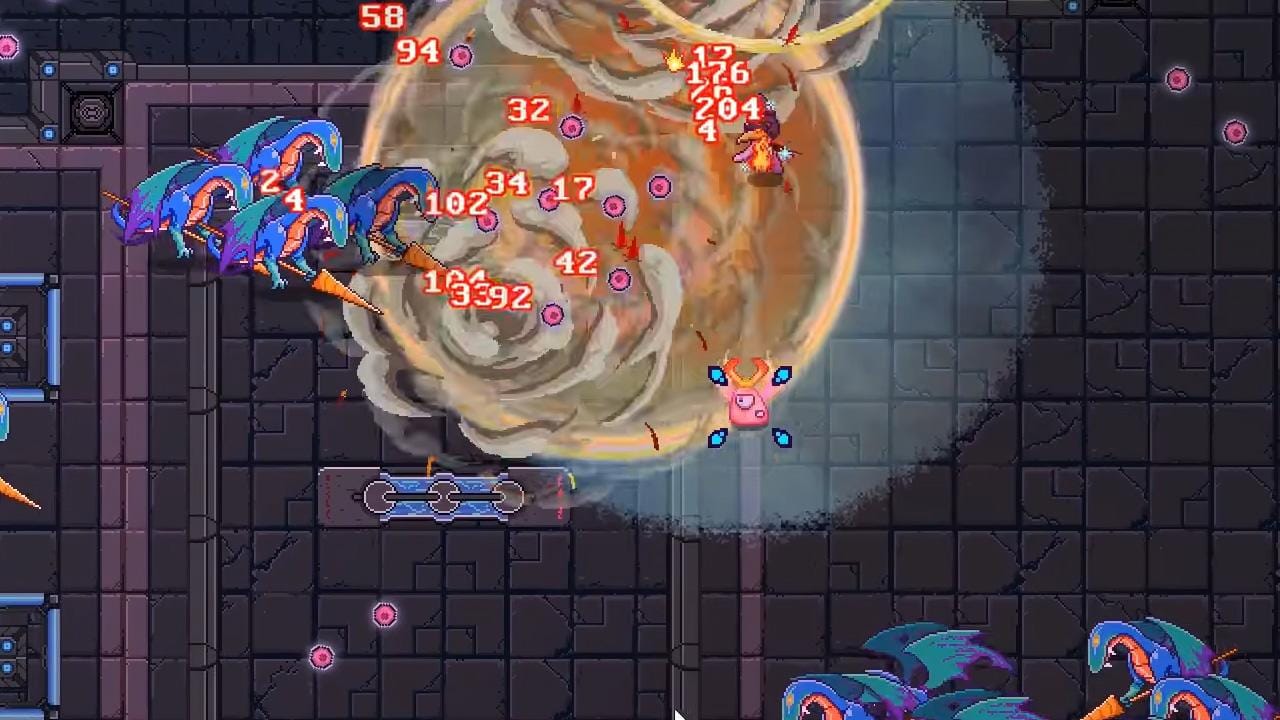
The revelation is electric. You realize you can build a loop—a projectile that pierces, which triggers a nerve, which fires a secondary organ, which spawns more projectiles, which pierce again. Suddenly you're not playing a survivors-like. You're debugging a feedback circuit that happens to vaporize monsters. When a loop you designed finally fires correctly and the screen dissolves into a cascade of biological death, the satisfaction is on a completely different level from watching an auto-leveled Vampire Survivors build do the work for you. You didn't get lucky. You engineered this.
That's the genius. It converts the genre's passive spectacle into active authorship. The "just one more run" compulsion isn't fueled by RNG here—it's fueled by "I have a better idea." You'll close a run not because you died, but because you spotted a flaw in your architecture and can't wait to refactor it.
The Onboarding Problem
And now the knife. Bio Prototype is terrible at teaching you how to play it.
This is the game's defining flaw, and it's not a small one. A mechanic this novel—a visual programming system most players have never encountered in a game—demands world-class onboarding. It gets the opposite. The tutorialization is thin, the UI is cluttered and unintuitive, and the game routinely fails to explain what its own organs actually do. Trigger conditions are described in language that assumes you already understand the system you're trying to learn. Cause-and-effect relationships that should be visualized clearly are instead buried in menus that feel designed by an engineer for other engineers.
The result is a brutal onboarding friction wall. The 92% Steam rating is real, but it's a rating filtered by survivorship—these are the players who pushed through the opaque first few hours. How many bounced off before the click? Plenty. Emprom built a cathedral and forgot to put a door on it.
There's a second, subtler design gap: the game is light on meta-progression. Roguelites usually soften a punishing curve with persistent unlocks—a sense that even a failed run advances you. Bio Prototype leans almost entirely on knowledge progression. You get better because you learned, not because your character did. For the target audience, that purity is a feature. For everyone else, the absence of a between-runs carrot makes the steep climb feel steeper. It's a defensible choice, but it narrows the audience to those who find the systems intrinsically rewarding enough to be their own reward.