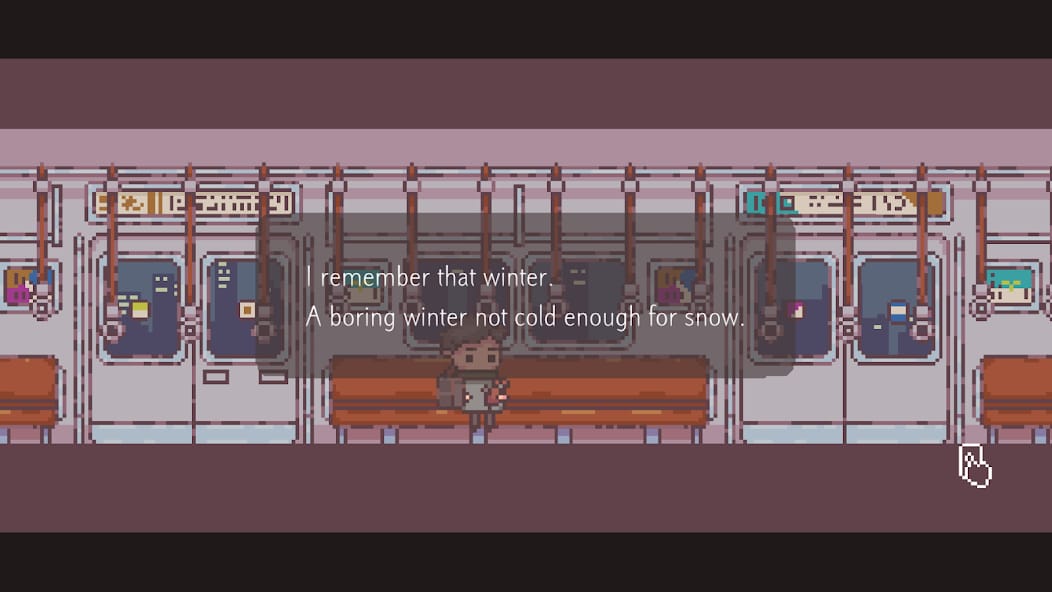
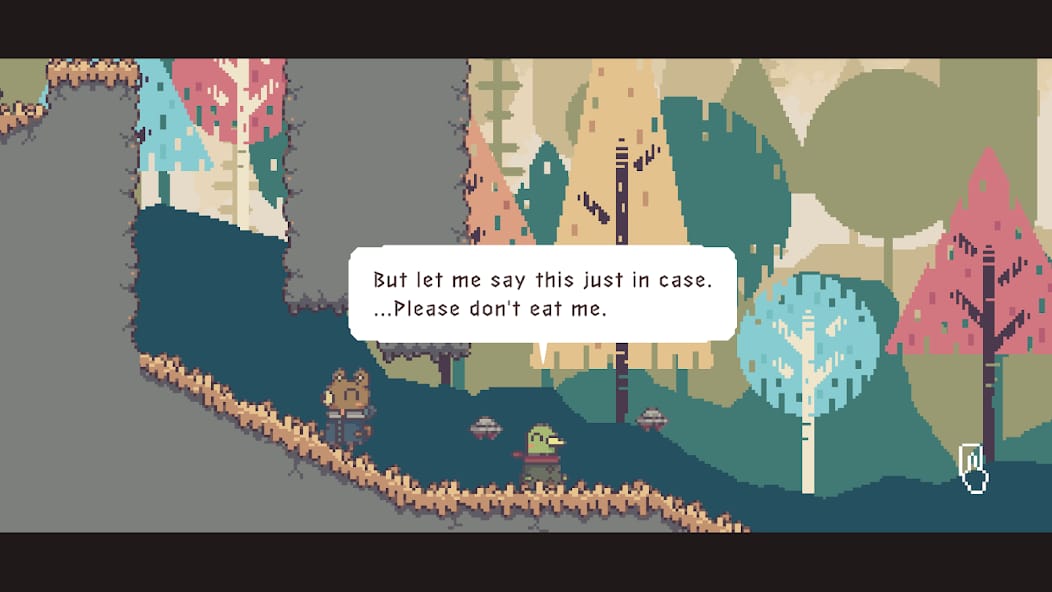
Bottom Line: BOKURA weaponizes miscommunication into a puzzle mechanic, delivering one of the most genuinely cooperative games ever made—provided you have a patient friend and a working microphone. It's brilliant, occasionally lopsided, and unlike anything else on your storefront.
The Gameplay Loop
Strip BOKURA to its frame and the loop is elegant: observe, describe, coordinate, act. You reach an obstacle. You see three symbols on your screen. Your partner sees three different symbols on theirs. Somewhere in the gap between your two descriptions lies the solution, and the only way to find it is to speak—carefully, precisely, and often repeatedly, because "the thing on the left" means nothing when your left is their industrial nightmare and their left is a cartoon rabbit.
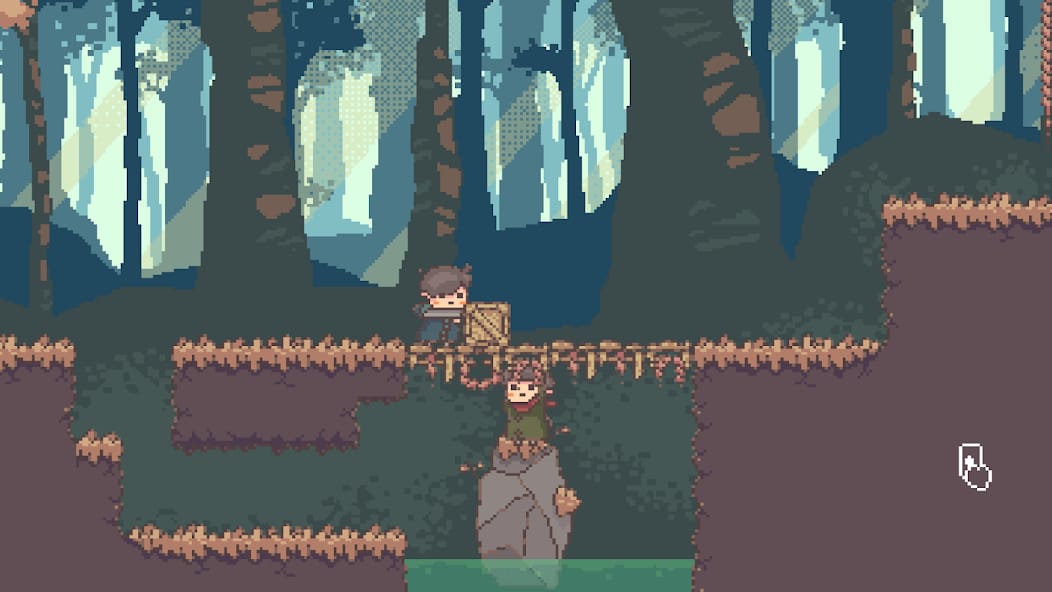
This is where BOKURA does something few games attempt. It makes language the controller. Your movement is trivial—walk, jump, interact. The actual mechanical complexity lives entirely in the conversation. A locked door isn't a lock-picking minigame; it's a negotiation between two people who can't see each other's evidence. When it clicks, the payoff isn't a satisfying animation. It's the shared "oh—OH" of two brains snapping into sync. That feeling is the entire product, and BOKURA manufactures it with startling reliability.
Where the Design Cuts Deep
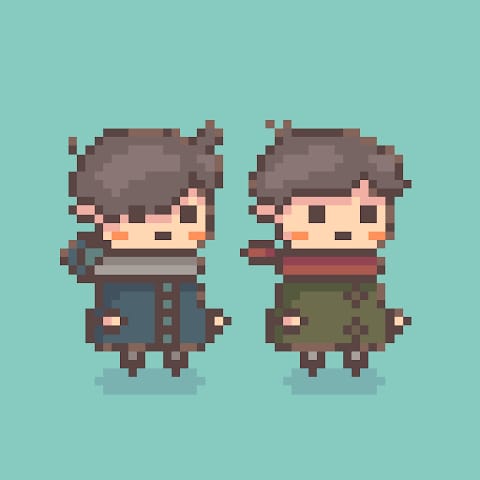
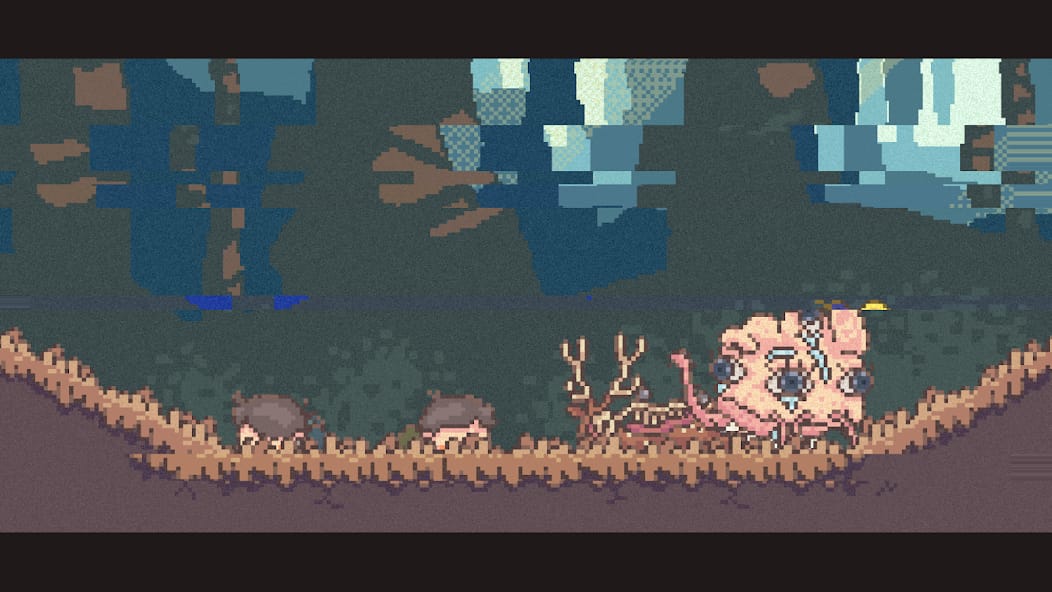
The asymmetry isn't decorative. It reshapes the emotional texture of play. You develop a private shorthand with your partner. You learn their descriptive tics, their sense of direction, their tolerance for your bad guesses. A run through BOKURA is as much a portrait of your relationship as it is a puzzle sequence—which is precisely why the game's darker narrative turns land as hard as they do. When the story asks the two boys to make a wrenching choice and demands you agree on it, the friction is real. You are, briefly, arguing about ethics with a friend over a headset. Few games earn that.
The Cracks in the Mirror
But an idea this rigid comes with a cost, and BOKURA doesn't fully escape it. The most consistent, credible criticism—echoed across the player base—is mechanical imbalance in later stages. The asymmetry that makes the early puzzles sing can curdle into lopsidedness, where one player becomes the active problem-solver and the other is reduced to a live-action information feed, reading symbols off a screen while their partner does the interesting part. Co-op that engages both people equally is the entire promise here. When a puzzle breaks that promise, it doesn't just feel like a dull stretch—it feels like a betrayal of the game's own thesis.
Then there's the onboarding friction of coordination itself. BOKURA assumes two things: that you have a second willing human, and that you have a functioning external voice channel. The game ships with no in-game voice chat. You are expected to run Discord, or a phone call, or sit in the same room, entirely on your own initiative. For a title whose core loop is verbal communication, outsourcing the voice layer to a third-party app is a genuine design gap. It works. But "works, if you set up the plumbing yourself" is a lower bar than a game this thoughtful should be clearing.
The user experience flow, once you're past setup, is clean and unhurried. Levels are digestible. The difficulty curve trends upward without cliff-edges, and the branching choices give the back half a narrative propulsion that pure puzzlers often lack. This is a tight, deliberate experience—not a sprawling one—and it's better for its restraint.