Bottom Line: "Buckshot Roulette" takes a morbid premise and elevates it into a taut, strategic psychological thriller, delivering an unnerving, high-stakes experience that defies its minimalist presentation.
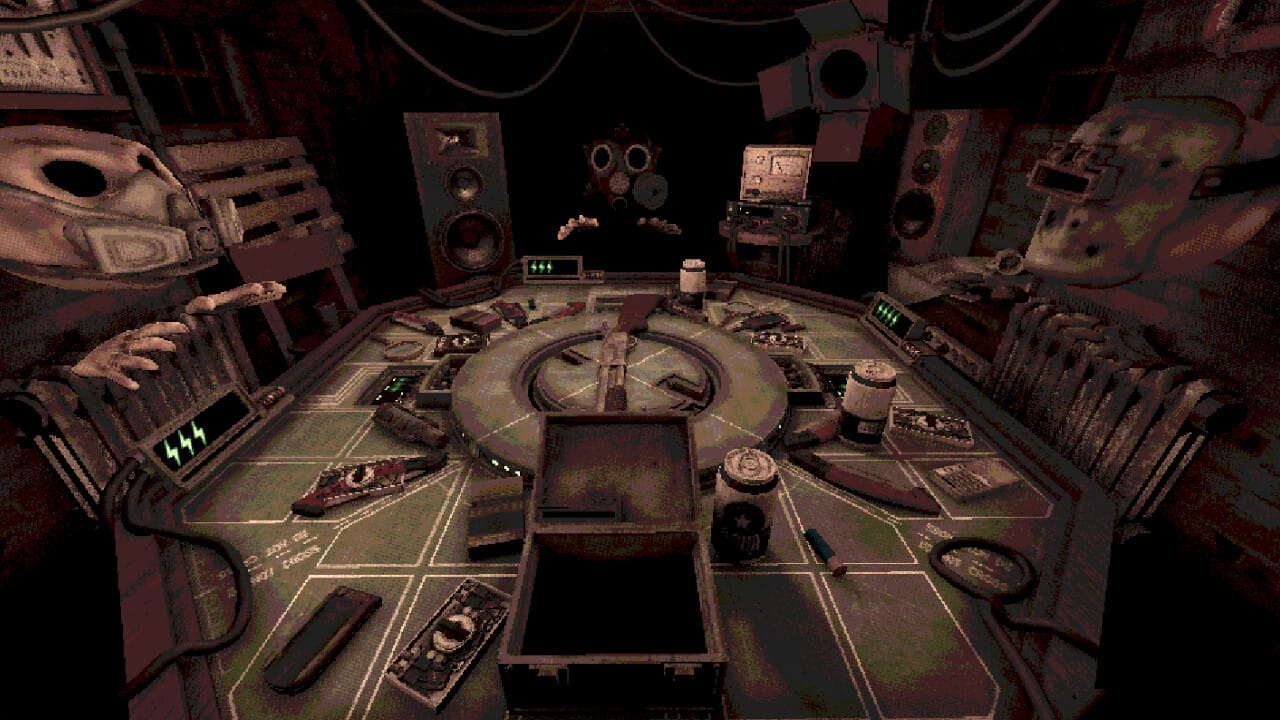
"Buckshot Roulette" is less a game of luck and more a masterclass in psychological manipulation disguised as one. The brilliance lies not just in its grim premise but in its subtle subversion of player expectations. The initial rounds are deliberately sparse, establishing the brutal rhythm: load two shells, take a shot, survive, or restart. But as the game progresses, the introduction of items—a saw to double shotgun damage, handcuffs to skip the dealer’s turn, a magnifying glass to inspect the next shell—transforms the experience from a coin flip into a nuanced strategic engagement.
The gameplay loop is deceptively simple: players and the AI dealer take turns deciding whether to shoot themselves or their opponent. The tension is palpable. Knowing the ratio of live to blank shells in the chamber, combined with the limited-use items, forces a constant, agonizing cost-benefit analysis. Do you risk a blank on yourself to gain an extra turn on the dealer, or play it safe and go for a guaranteed hit? This decision-making under extreme duress is the game's core strength. Every click of the safety, every slide of the pump-action, is imbued with gravity. The interface is streamlined to a fault, presenting only the essential information: the barrel, the shells, and the items. This minimalist approach amplifies the atmosphere, ensuring that the player's focus remains squarely on the terrifying choice at hand. There are no extraneous UI elements to distract from the impending moment of truth.
What truly sets "Buckshot Roulette" apart is its ability to extract profound psychological impact from such limited resources. The AI dealer, silent and menacing, becomes more than just a coded opponent; it transforms into an antagonist whose every move feels deliberate, whose blank stare is genuinely unnerving. The game doesn't rely on jump scares; instead, it cultivates a pervasive sense of dread through its audio cues—the echoing sounds of the shotgun, the subtle ambient hum of the oppressive environment—and the raw, inherent terror of its premise. This isn't horror born of grotesque monsters, but of the human mind confronting its own mortality, however simulated. The "Double or Nothing" mode further exemplifies this design philosophy. It's not just a harder difficulty; it's a deeper plunge into the abyss, forcing players to risk accumulated progress for even greater reward, exacerbating the already potent cocktail of fear and greed. This strategic layer, though simple in its execution, provides significant replayability, as players constantly refine their approach to item management and risk assessment. The game, for all its brevity, offers a surprisingly deep well of tactical thought for those willing to engage with its grim proposition.