
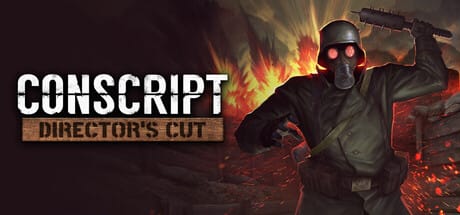

Bottom Line: Conscript is a harrowing, masterfully executed descent into the trenches that proves historical reality is far more terrifying than any supernatural entity. It is the most vital survival horror game in years.
To understand Conscript, you have to understand the friction of the 1990s survival horror blueprint. Many modern developers see things like limited save points or restrictive inventory slots as "problems" to be solved. Jordan Mochi understands they are the very source of tension. In Conscript, the gameplay loop is a rhythmic dance of risk and reward. You leave your safe room—a damp, dimly lit bunker—with a handful of shells and a prayer. Every door you open and every corner you turn in the Verdun trenches costs you something.
The Weight of Combat
Combat in Conscript is methodical and heavy. This is not a twin-stick shooter where you spray and pray. You have to steady your aim, account for the slow reload speeds of bolt-action rifles, and decide if that wounded enemy is worth the precious lead it would take to finish him. Often, the smartest move is to run, but even running is a gamble when the environment itself is a maze of barbed wire and gas pockets. The Director’s Cut adds further nuance to this, refining the combat feel just enough to ensure that when you miss, it’s your fault, not the game’s.
The Trench as a Character
The level design is where Conscript truly shines. The trenches are a sprawling, interconnected network that demands you build a mental map of your surroundings. Like the Raccoon City Police Department, the world of Conscript reveals itself slowly. You’ll find a locked gate in the first hour that you won't be able to bypass until the fourth. This leads to the "tedious" backtracking some critics have noted, but I'd argue that the backtracking is the point. Navigating these spaces repeatedly breeds a sense of claustrophobic familiarity. You start to recognize which muddy corners are safe and which ones are likely to be shelled at a moment's notice. The environmental puzzles are smartly integrated, often revolving around the logistics of war—fixing communication lines or securing fuel—rather than abstract "find the blue key" tropes.
Psychological Attrition
The horror here is psychological. There are no jump-scares. Instead, there is the constant, low-thrumming anxiety of the sound design—the distant roar of the "Big Berthas," the screams of men in the next trench over, and the scratching of rats in the walls. The game uses a save system involving ink ribbons (here represented by tobacco and journals), which forces you to weigh the value of your progress against your current resources. Saving too often will leave you unable to record a major victory later. It’s a brutal system that perfectly mirrors the desperate, "one day at a time" mindset of a soldier at Verdun. Conscript doesn't just ask you to survive; it asks you what you are willing to sacrifice to do so.