
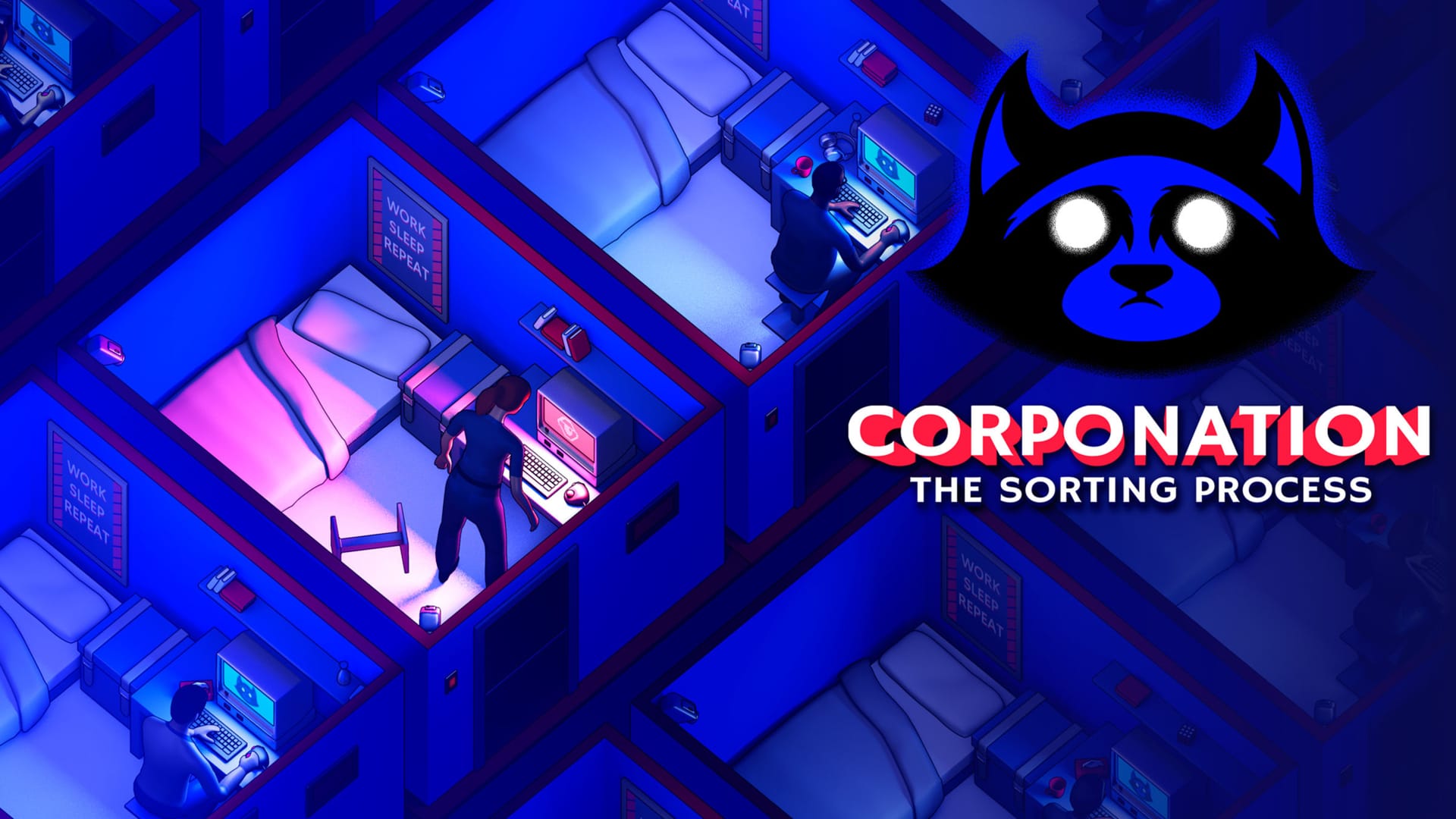



Bottom Line: "CorpoNation" masterfully skewers corporate banality through a stark work-sim and narrative experience, though its narrative resolution occasionally falters, leaving some player choices feeling like mere bureaucratic illusion.
"CorpoNation: The Sorting Process" is less a game to be played and more an experience to be endured, in the most compelling sense possible. Its central gameplay loop—the diligent sorting of genetic samples—is undeniably repetitive. Yet, this repetition is precisely its strength, evoking the visceral sensation of an unfulfilling, monotonous job. Comparisons to "Papers, Please" are not just apt; they are almost inevitable. Both titles derive their immense power from transforming bureaucratic drudgery into a tense, morally ambiguous engagement. As new sorting criteria are introduced, alongside increasingly sophisticated lab equipment, the mechanics evolve with surprising depth. What begins as a simple visual categorization quickly becomes a multi-layered task demanding keen observation, quick decision-making, and a surprising capacity for pattern recognition under pressure. This progressive complexity ensures the core gameplay remains engaging, constantly pushing the player's mental faculties without ever feeling unfair.
The narrative structure, delivered through in-game emails, text messages from co-workers, and subtle environmental storytelling within the Living Pod, is where "CorpoNation" truly distinguishes itself. It's a masterclass in passive, yet deeply unsettling, world-building. The claustrophobic dread of maintaining a "work-work balance" isn't merely described; it’s felt. Players witness their digital paychecks dwindle, the constant pressure to hit quotas, and the subtle propaganda baked into every aspect of their existence. The game's satire of corporate culture is razor-sharp, cutting through the polished veneer of corporate speak to reveal the dehumanizing machinery beneath.
However, the weight of player choice, a crucial element in such narrative-driven experiences, can occasionally feel attenuated. While the game presents a clear dichotomy between conformity and rebellion, some critics have noted that the narrative's resolution, particularly on the rebellion path, can feel "lackluster" or "hollow." This isn't necessarily a failure of design but rather a deliberate narrative choice, perhaps reflecting the often-futile nature of individual resistance against an overwhelming system. But it can leave players wishing for a more pronounced impact from their decisions. The communication system with co-workers, while effective in building camaraderie and exposing the diverse perspectives within the CorpoNation, occasionally feels like a missed opportunity for deeper interactive choices. Despite these minor narrative quibbles, the overall analysis points to a highly effective and thought-provoking simulator.
Interface & Immersion
The UI design complements the game's themes impeccably. It's functional, deliberately sparse, and at times, almost utilitarian, mirroring the impersonal nature of the CorpoNation itself. The constant presence of corporate branding, even in the "personal" space of the Living Pod, reinforces the pervasive control. Navigating the various menus for finances, purchases, and work duties feels intuitive, quickly becoming second nature, much like a real-world, mundane job. This streamlined interface facilitates immersion, allowing the player to focus on the task at hand and the unfolding narrative rather than wrestling with clunky controls.