
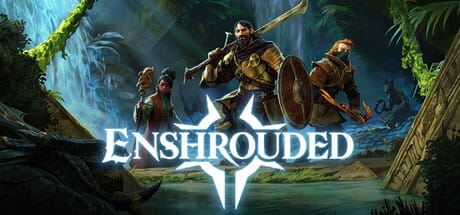


Bottom Line: Enshrouded is a rare survival-RPG hybrid that understands architectural freedom is just as important as a sharp sword, offering the most sophisticated building tools in the genre.
The core of Enshrouded isn't the combat—though that is competent—it is the dynamic relationship between the player and the environment. Most survival games treat the world as a static backdrop with a few "interactable" nodes. Enshrouded treats the world like clay.
The Creative Loop
The building system is the true "killer app" here. Because the world is entirely voxel-based, the transition between "scavenging" and "constructing" is fluid. You aren't just snapping pre-fab walls together. If you want a cellar, you dig one. If you want a secret passage behind a fireplace, you remove the specific voxels to make it happen. This level of architectural agency creates a profound sense of ownership over your base. It’s not just a place to store your loot; it’s a monument to your progression. The UI for building manages to stay out of the way, providing enough snapping logic to prevent frustration while retaining enough manual control for complex designs.
Survival Without the Slog
One of the most refreshing aspects of Enshrouded is how it handles survival tropes. Hunger isn't a death sentence that constantly interrupts your workflow; instead, food acts as a buff system. You eat to increase your stamina or health for the task at hand, not to keep a meter from hitting zero. This shift in philosophy moves the game away from "survival as a chore" and toward "survival as preparation."
The Shroud and Combat
The Shroud itself serves as the primary driver of tension. It’s a brilliant pacing tool. By limiting how long you can spend in the fog, the game forces you to plan your excursions. You scout the edges, identify your objectives, and then dive in. This creates a rhythmic gameplay loop: preparation at your base, high-tension scavenging in the Shroud, and the eventual relief of returning to the light.
The combat system borrows heavily from the "Soulslike-lite" school of thought. It’s punchy and responsive, though it occasionally lacks the precision of a dedicated action title. The classless skill tree is the saving grace here. By allowing players to invest points across combat, magic, and survival paths, it encourages experimentation. If a specific boss is giving you trouble, you can pivot your build without the need for a total restart. However, the enemy AI can occasionally feel a bit tethered to its spawn points, leading to some "leashing" issues where enemies simply give up the chase if you jump on a moderately high rock.