
Bottom Line: Epistory - Typing Chronicles is a rare mechanical marvel that transcends the "educational" stigma of its genre to deliver a hauntingly beautiful, visceral action-adventure where your WPM is your only lifeline.
The core genius of Epistory lies in its Gameplay Loop, which successfully marries the "flow state" of a rhythm game with the exploration of a classic Zelda-like. Moving through the world requires a mental shift; you aren't just pushing a joystick, you're inputting coordinates. This creates a unique brand of input friction that actually enhances the immersion. When you encounter a puzzle, the solution isn't hidden in a menu; it's literally written on the world, waiting for you to manifest it through your keystrokes.
The Rhythm of Conflict
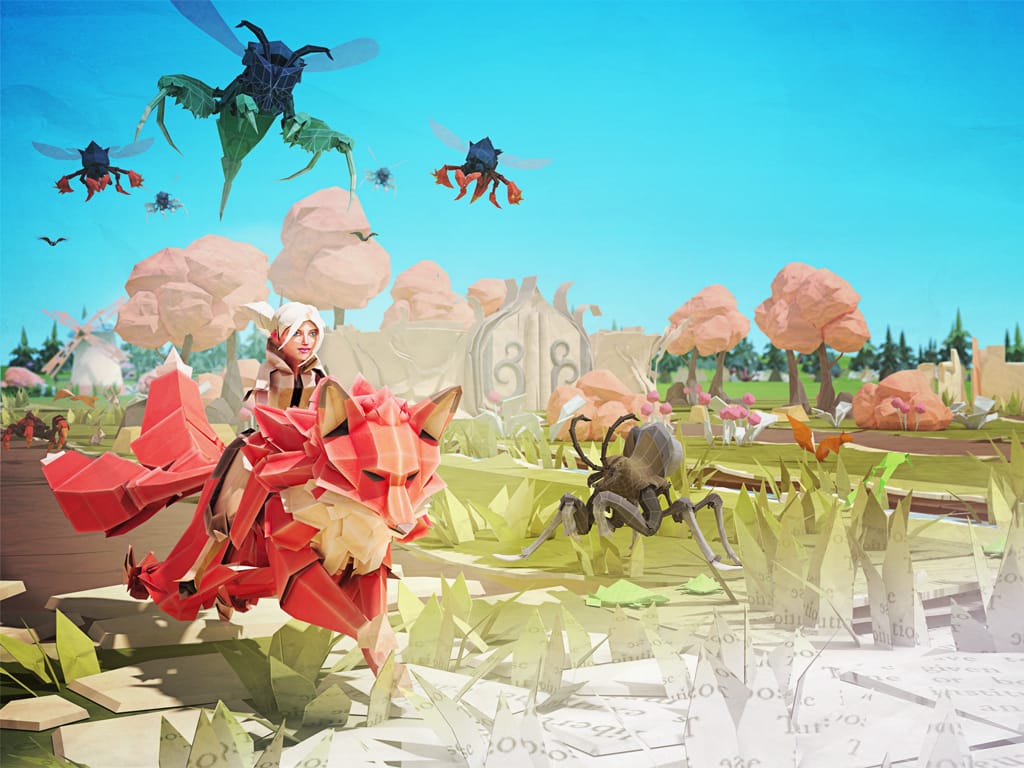
Combat is where the adaptive difficulty system truly shines. As insectile horrors swarm from the edges of the screen, words of varying lengths appear above them. Small scouts might require a quick "Cat," while hulking monstrosities demand complex strings like "Effervescent" or "Labyrinthine." The tension is palpable. When you're cornered, and your brain is frantically trying to translate the visual cue of the word "Rhythm" into a series of muscular contractions, the game stops being an educational tool and becomes a visceral survival experience.
The introduction of Elemental Powers adds a layer of tactical decision-making that saves the game from becoming a mindless speed test. Switching to "Fire" might burn a word and its successor, giving you breathing room, while "Ice" can stop a fast-moving threat. Knowing what to type is often more important than how fast you can type it. This is mechanical purity at its finest.
Narrative as Architecture
The meta-narrative of the writer's block isn't just flavor text; it dictates the world's physics. The way the ground tiles flip and fold as you unlock new areas feels like a direct representation of a story being written in real-time. The narration is evocative without being intrusive, providing a somber, professional tone that keeps the stakes feeling grounded. However, the game does occasionally stumble in its onboarding friction. The "keyboard-only" movement, while thematic, can feel clunky during tight navigation segments, leading to unnecessary falls or missed turns that have nothing to do with your typing skill and everything to do with the limitations of the control scheme.