

Bottom Line: Rockstar North's "Grand Theft Auto V" remains a benchmark for open-world design, its three-pronged narrative and sprawling urban satire unparalleled, though persistent technical snags on modern platforms dull its otherwise gleaming chrome.
Rockstar North’s decision to pursue a triumvirate narrative was a calculated risk that paid off spectacularly. The interweaving storylines of Michael, Franklin, and Trevor provide a kaleidoscopic view of Los Santos, each character a distinct lens through which to examine the city’s underbelly and its glittering facade. Michael represents the failed American dream, trapped in a gilded cage of therapy sessions and familial dysfunction. Franklin embodies the struggle for upward mobility, grappling with street loyalty versus corporate ambition. Trevor, the unhinged id of the group, shatters any illusion of civility, acting as a brutal, unpredictable force that destabilizes both the narrative and the player’s expectations. This character dynamic is not just narratively rich; it's a profound mechanical innovation. During heists, the ability to instantly swap between characters—perhaps switching from Franklin providing sniper cover to Michael breaching a door, then to Trevor flying a getaway helicopter—elevates mission design from linear shooting galleries to complex, multi-faceted tactical puzzles. This gameplay loop encourages strategic thinking, rewarding players who master the synergy between the protagonists.
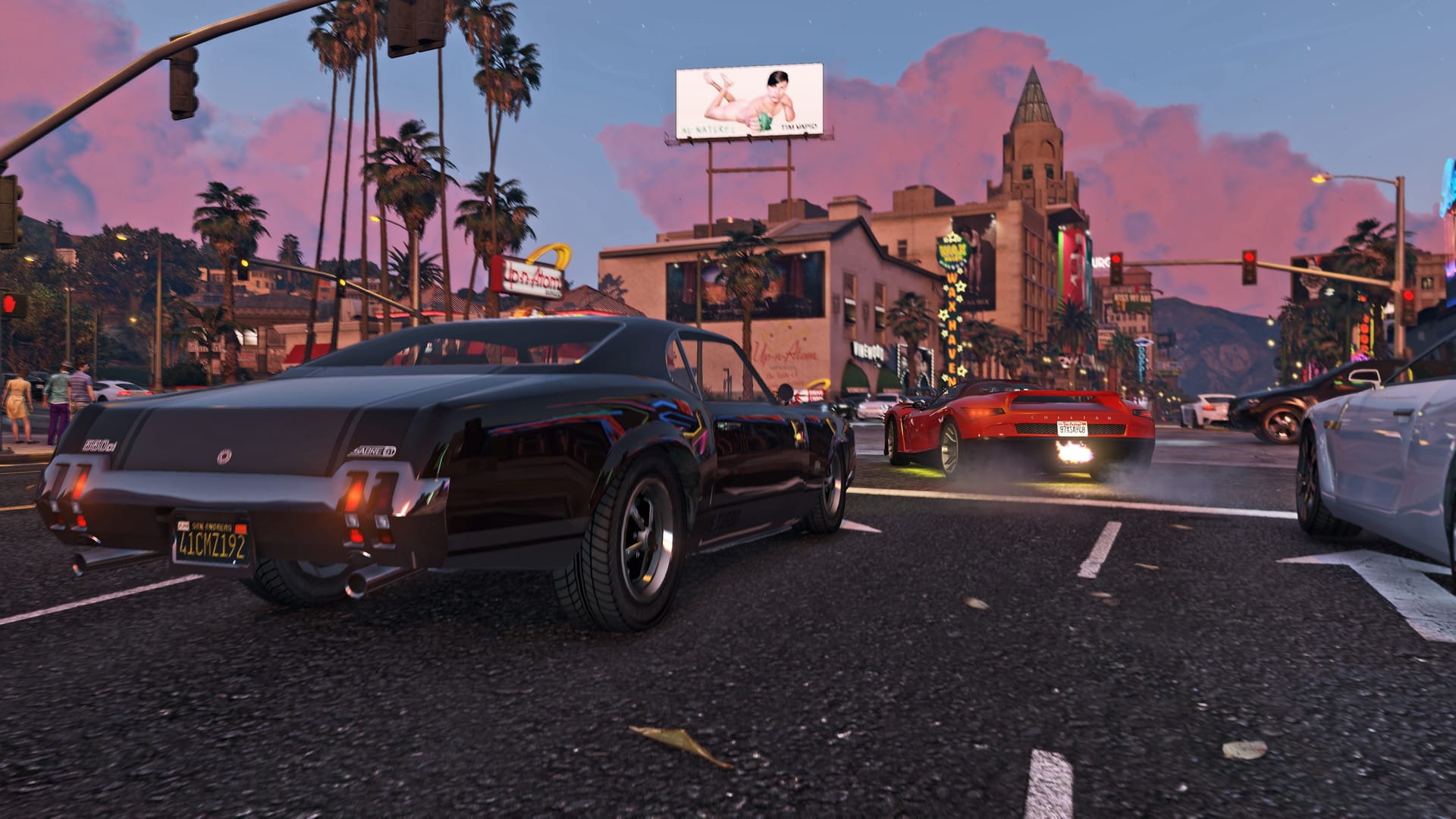
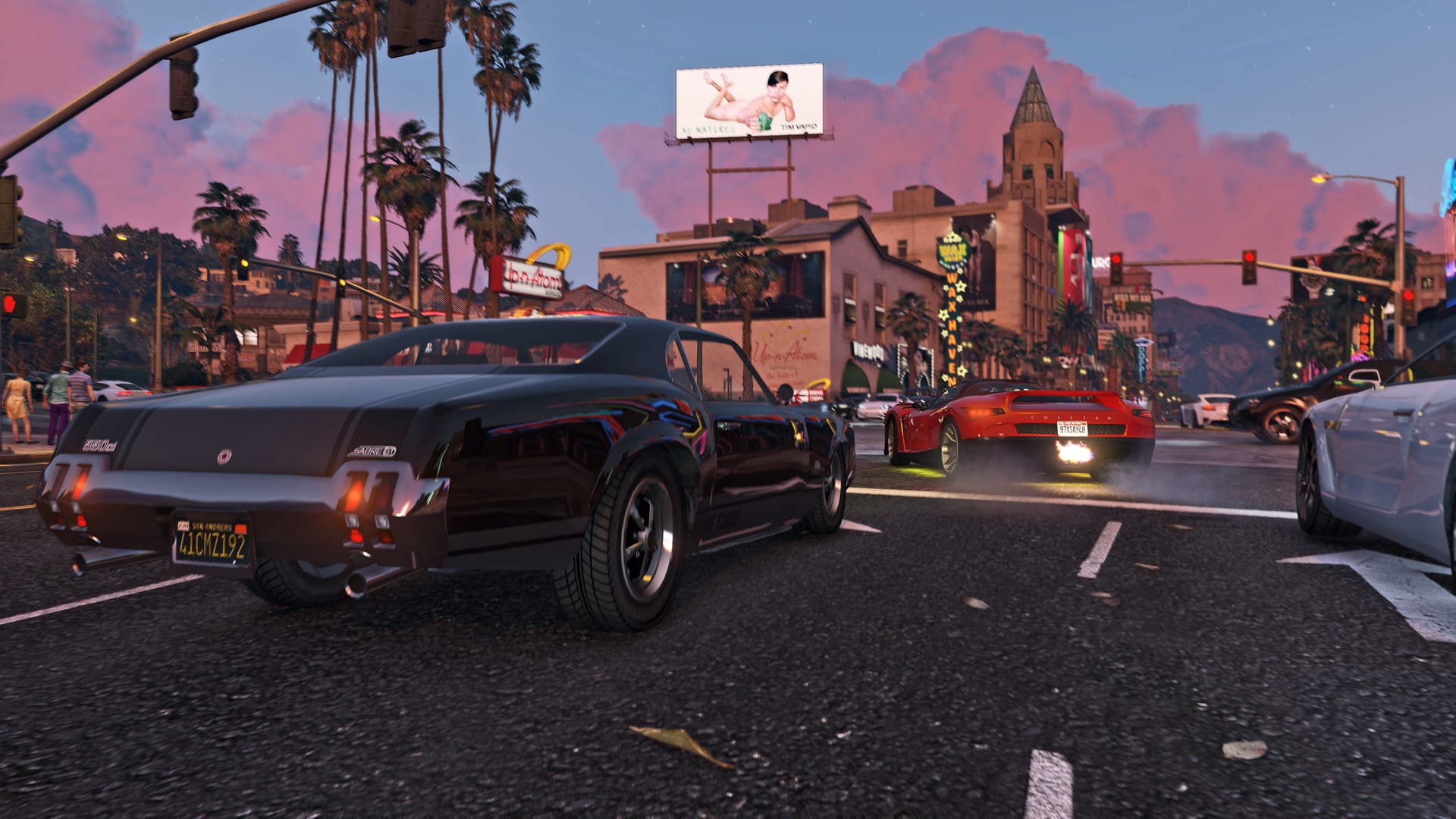
Beyond the core narrative, "Grand Theft Auto V" excels in world-building. Los Santos itself is a character, a meticulously crafted parody of Los Angeles, brimming with biting social commentary. The in-game radio stations, replete with satirical commercials and talk shows, offer a constant stream of cultural critique. The pervasive advertising mocks consumerism, while political figures and media personalities are lampooned with a cynical wit that borders on prophetic. The game doesn't shy away from uncomfortable truths, presenting a mirror to society's excesses and hypocrisies. This commitment to satire extends to the pedestrian conversations, the ambient dialogue, and even the architecture, making every corner of the map a potential source of unexpected humor or stark social observation. The sheer density of incidental detail, from random encounters with strange cults to spontaneous street races, ensures that exploration is perpetually rewarding. The game's interface is largely intuitive, integrating seamlessly into the world with minimal onboarding friction. The weapon wheel and car customization menus are standard for the series, refined to be efficient and visually appealing without breaking immersion. The minimap, while occasionally busy, serves its purpose in guiding players through the sprawling urban landscape.
However, a decade of iteration has also exposed certain design choices that feel less revolutionary today. While the driving mechanics remain robust and satisfying, particularly the variety of vehicles and the nuanced handling models, the gunplay, though competent, doesn't quite reach the precision or visceral impact of dedicated shooters. It serves its purpose within the broader open-world context, but it doesn't innovate on the level of the protagonist switching or world design. The vast array of side activities, from golf to yoga, while contributing to the sense of a living world, can sometimes feel like distractions rather than deeply engaging pursuits, lacking the narrative weight of the main missions. Yet, their very existence underscores Rockstar's commitment to creating a sandbox of unprecedented depth.