Bottom Line: A frantic, stylish fusion of Mavis Beacon and Hades that proves your words-per-minute count is the ultimate superpower. It’s an absurdly charming roguelite that manages to make the mundane act of typing feel genuinely heroic.
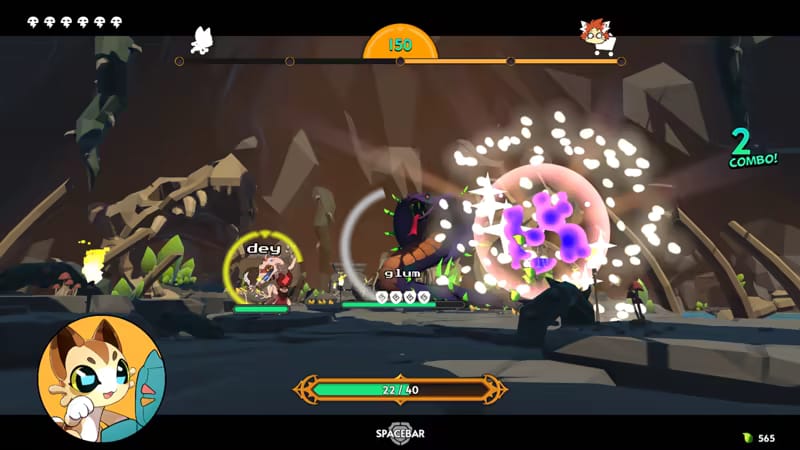
The core appeal of Isekat lies in the sheer kinetic energy of its combat. We’ve all played games where we mash 'X' to strike, but there’s a unique cognitive dissonance that occurs when you have to type "Calamity" to dodge a literal calamity. This lexical combat creates a feedback loop that is far more visceral than traditional button-mashing. When a boss from the Reptile Kingdom launches a flurry of projectiles, the screen fills with words that act as both targets and threats. You aren't just playing; you are performing.
The Mechanics of Literacy-Based Violence
The genius of the system is how it scales. Early levels might task you with three-letter words to dispatch basic canine grunts, but the difficulty curve is steep. Mid-game encounters introduce status effects that mess with your interface—scrambling letters or hiding parts of the word—forcing you to rely on muscle memory and linguistic intuition. This is where the "roguelite" elements shine. You will die. Frequently. But because the cause of death is usually a typo or a momentary lapse in focus, the "just one more run" itch is impossible to ignore.
The enemy variety is particularly clever. The Dog Kingdom enemies might favor brute force with short, aggressive words, while the Bird Kingdom forces you to handle fast, aerial targets with complex, hyphenated strings. This variety ensures the typing never feels like a rote exercise. It feels like a duel. The bosses, in particular, are highlights, featuring multi-phase encounters where you must type out complex rhythmic patterns to break through their defenses. It’s a test of poise as much as it is a test of literacy.
The Catnip Grind and Meta-Progression
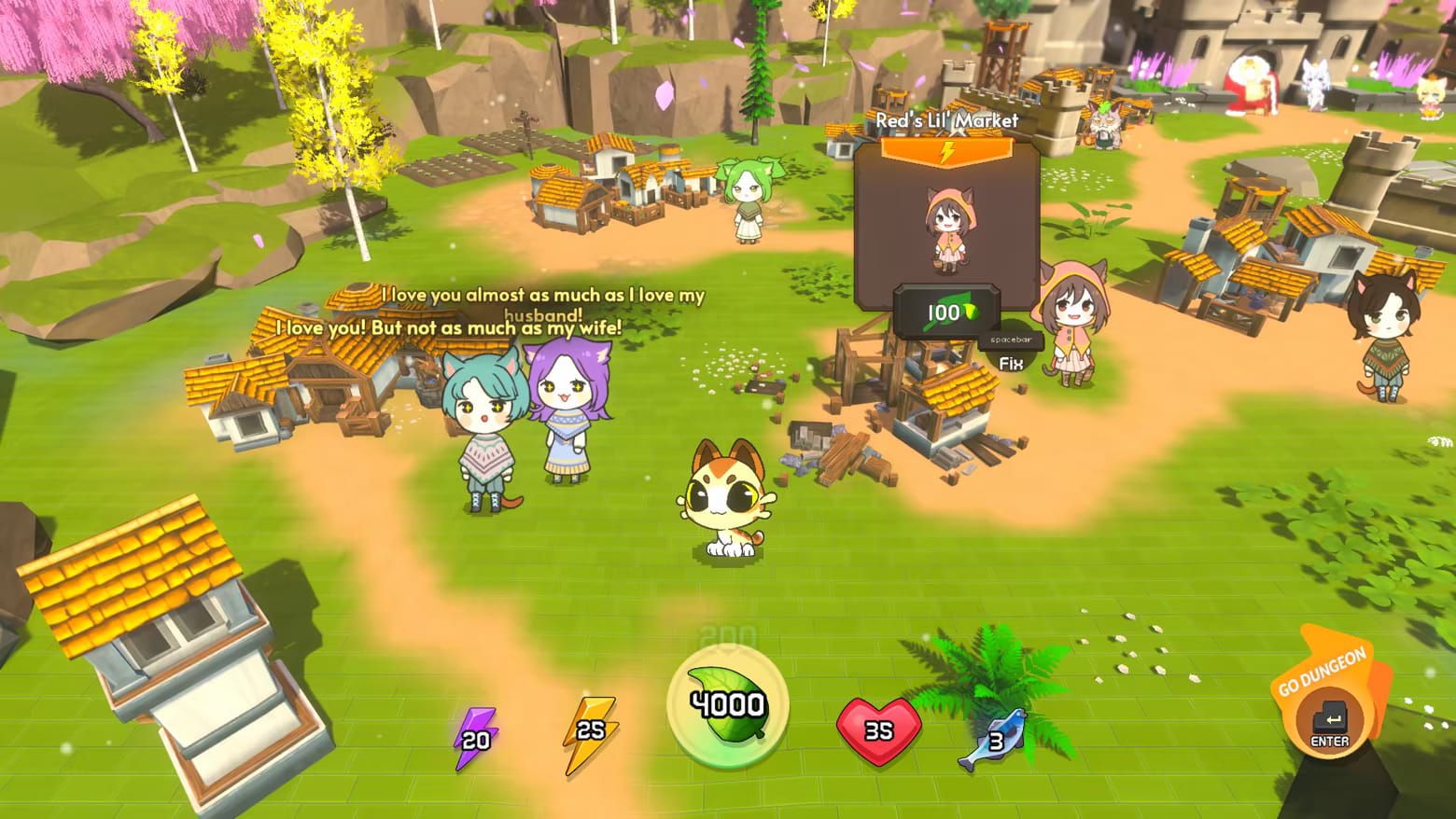
Between these high-stress excursions, Isekat breathes. Returning to the Cat Kingdom offers a classic city-building loop that provides a necessary dopamine hit. Spending Catnip to rebuild homes feels rewarding, not just because the art style is adorable, but because the mechanical benefits—increased health, better "word" RNG, or slower projectile speeds—are tangible. This system successfully mitigates the frustration of the game's higher difficulty spikes. You aren't just getting better at typing; your avatar is literally becoming more resilient because of your architectural efforts.
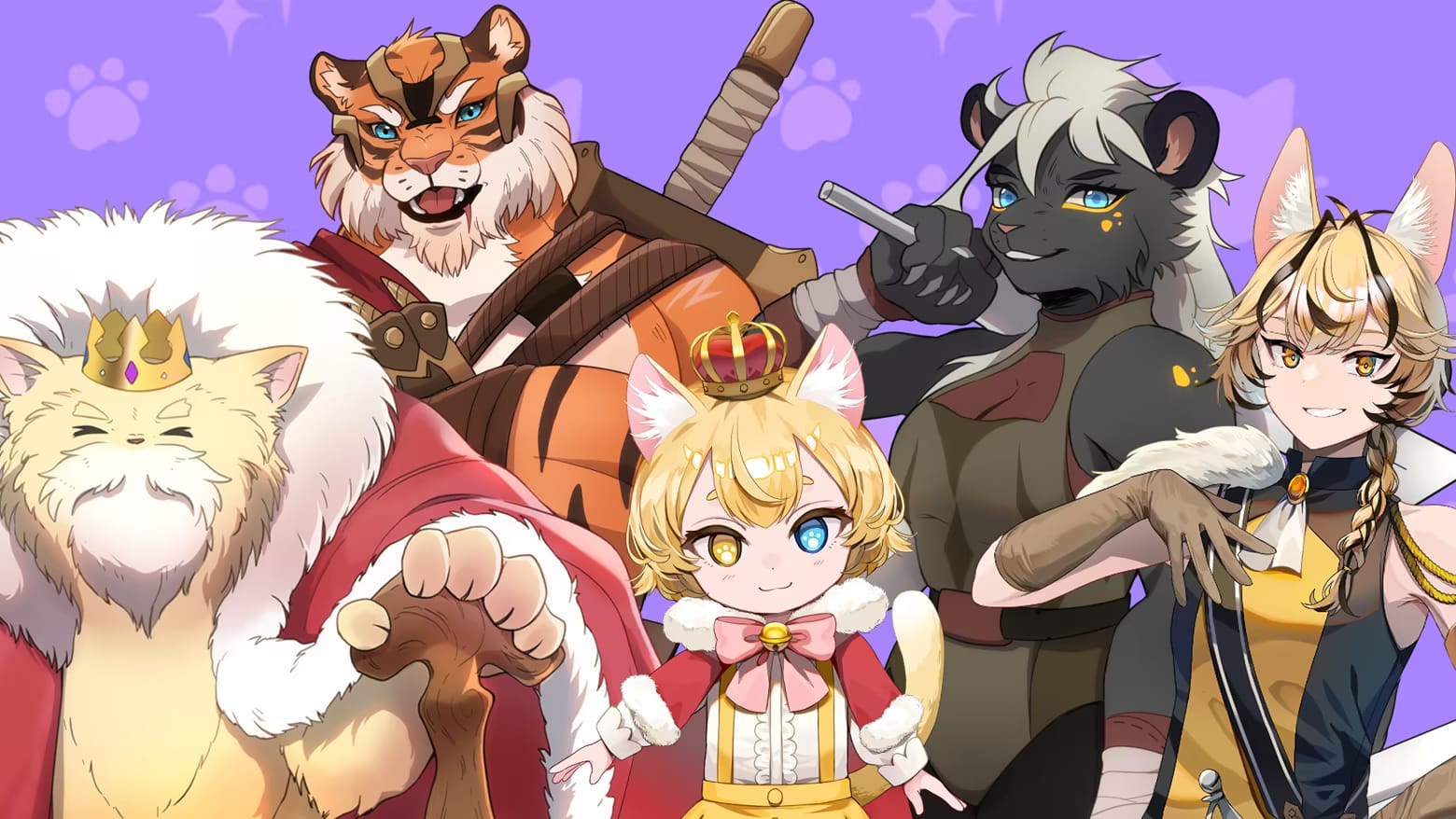
However, the game isn't without its friction points. The procedural generation, while functional, can occasionally produce "dry" runs where the word variety feels repetitive. Furthermore, the parody narrative, while charming, occasionally leans a bit too heavily on "meta" humor that might fly over the heads of those not steeped in Isekai culture. These are minor gripes, though, in a package that otherwise feels remarkably polished.