
The user wants a game review written in a specific voice. This is a straightforward writing task—no tools needed. Let me just write it well, following the structure and voice profile exactly.
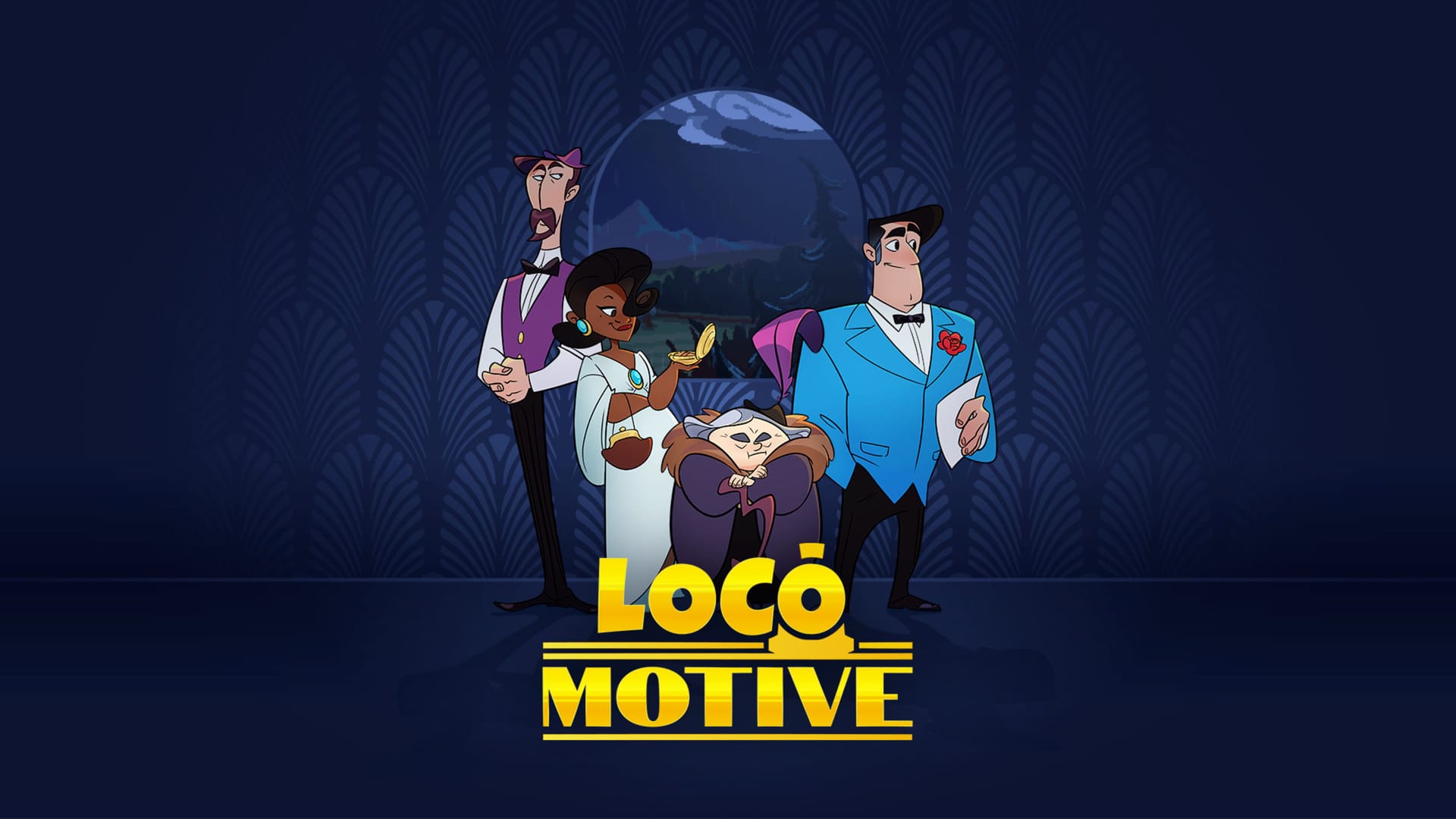
Bottom Line: Robust Games has built the rarest thing in modern gaming—a nostalgia act with actual jokes. Loco Motive is a razor-sharp, gorgeously animated point-and-click murder mystery that respects the 90s adventure genre without embalming it.
The Gameplay Loop
If you've played a point-and-click adventure, you know the rhythm: explore a room, pick up anything that isn't nailed down, talk to everyone twice, and combine inventory items until a locked door isn't locked anymore. Loco Motive doesn't reinvent this loop. It refines it.
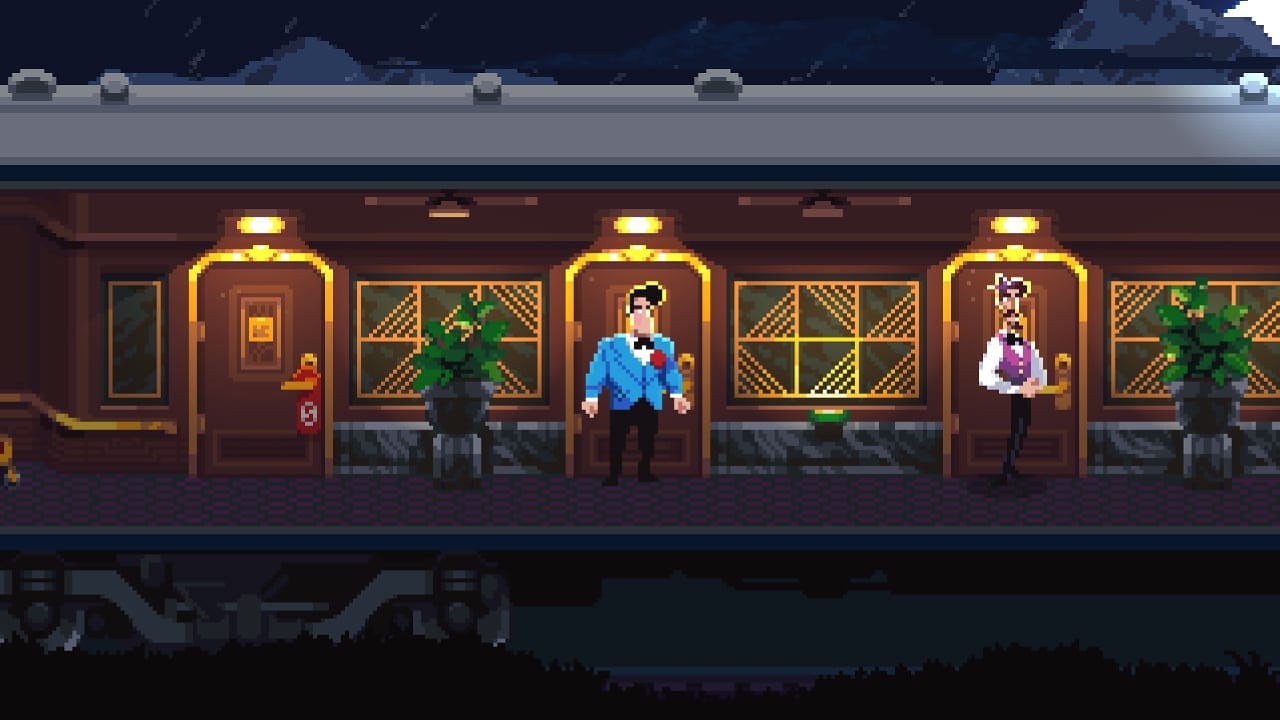
The core cycle is observe, collect, interrogate, combine. What separates a good adventure game from a tedious one is puzzle legibility—whether the solution feels clever in hindsight or arbitrary in the moment. For most of its runtime, Loco Motive stays on the right side of that line. The train setting does heavy lifting here. A confined space with a fixed cast means puzzle solutions live within a knowable world; you're not scouring three continents for a rubber chicken. The claustrophobia is a feature. It keeps the logic grounded.
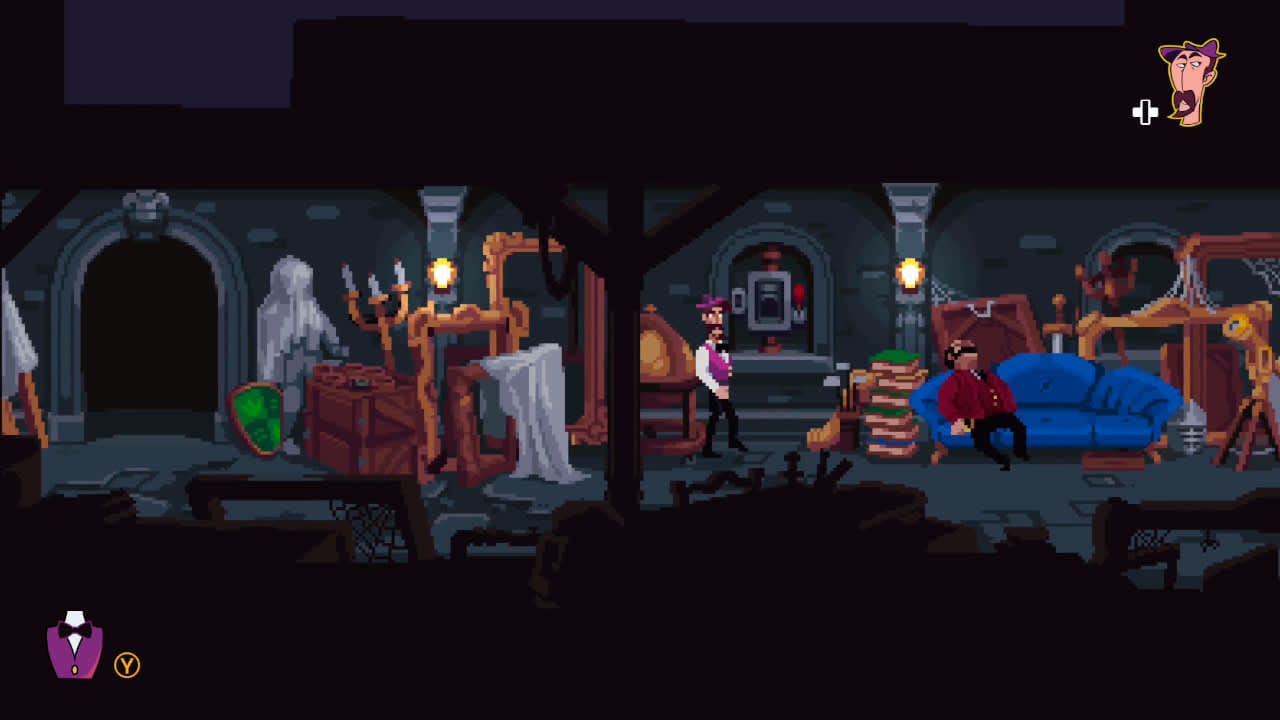
The three-character structure is where the design earns its keep. Because storylines intersect, information you gather as Herman recontextualizes a problem you'll face as Diana. It's a soft form of dramatic irony baked into the mechanics—you, the player, know things the characters don't yet, and the puzzles occasionally reward that meta-knowledge. When it clicks, it's the best kind of adventure-game satisfaction: the sense that the whole machine was built to be understood.
Where the Logic Wobbles
Let's be honest about the genre's original sin. Moon logic—puzzle solutions so lateral they border on non-sequitur—is the thing that killed point-and-click adventures the first time. Combine the cat with the rubber band to get the mustache; you know the drill. Loco Motive mostly avoids this trap, but not entirely. A handful of puzzles ask you to make leaps that feel less like deduction and more like reading the designer's mind. These moments are the exception, not the rule, but they're there, and they'll stall your momentum when you hit them.
This is precisely where the telephone hint system justifies its existence. Rather than shipping you to a browser to spoil the whole solution, the in-game phone offers escalating, spoiler-conscious nudges—and it does so inside the fiction. You're not consulting a menu. You're making a phone call, which is itself a period-appropriate bit of business. It's the single best design decision in the game. It defangs the genre's worst failure mode without insulting players who don't need help. Every adventure game from here on should steal this.
Writing and Pacing
Comedy is the hardest thing to engineer, because timing is a variable the player controls. Loco Motive solves this the way the best adventure games always did—by making the reading funny, not just the solving. Examine a painting, and the description is a joke. Talk to a suspect, and the dialogue tree hides gags in branches you might never pick. The full voice acting elevates all of it; a well-delivered line lands twice as hard as a well-written one.
The mystery itself is the weakest thread. Seasoned armchair detectives will likely see the ending coming well before the credits. But—and this matters—the plot is scaffolding for the comedy, not the other way around. You're not here to be outwitted. You're here to laugh at Herman's delusions of Sherlockian grandeur. Judged as a mystery, it's competent. Judged as a comedy, it's excellent. Know which one you're buying.