
Bottom Line: Roblox is an endlessly vast, user-powered social gaming platform that serves as both a boundless creative engine and a cautionary tale of digital capitalism. It's less a single game and more of a parallel universe of play, whose chaotic brilliance is matched only by its profound inconsistencies.
The Gameplay Loop: A Masterclass in Discovery
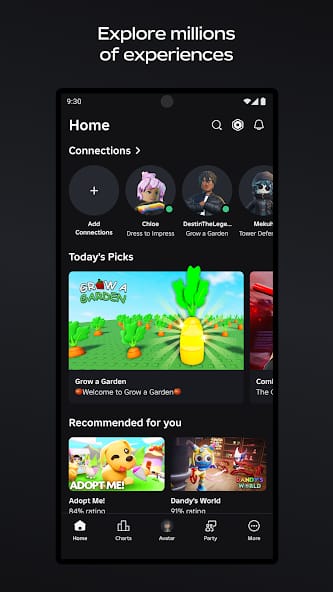
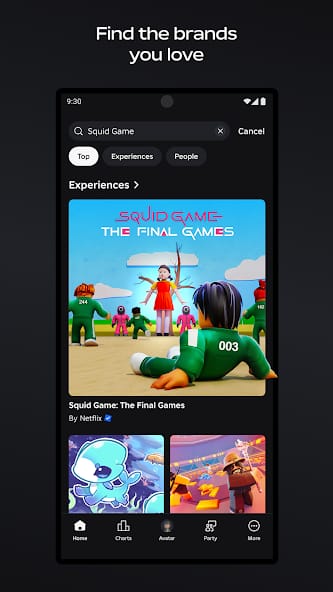
The user experience of Roblox is fundamentally one of discovery. The main interface presents players with a sprawling, algorithmically sorted menu of experiences, from the globally popular to the obscure and niche. The act of "playing Roblox" is an endless cycle of sampling. You and your friends might spend ten minutes in an escape room, then an hour in a competitive battle royale, followed by an evening in a laid-back role-playing server. The barrier to entry is almost zero; a single click is all that's required to teleport from one world to another.
This model, however, is a double-edged sword. For every polished, well-maintained experience like Adopt Me! or Brookhaven, there are thousands of derivative, buggy, or abandoned projects. The platform is a digital lottery where quality is never guaranteed. This inherent inconsistency is the price of admission for a truly user-driven content library. The primary gameplay loop, therefore, is not within any single game but in the meta-game of finding the fun, which for its core audience, is a powerful draw in itself.
Interface and User Experience Flow
The interface, while functional, often struggles to contain the sheer scale of its content. The discovery pages can feel cluttered, and the universal UI elements sometimes clash with the custom-built interfaces within individual experiences. The in-game HUD is largely standardized—a chat window, a player list, an exit menu—but creators have wide latitude to build their own systems on top of it, leading to a fragmented user experience. What works for a simple simulator is often insufficient for a complex strategy game, yet both must exist within the same foundational framework. The result is a user flow that prioritizes platform cohesion over individual game optimization, a necessary trade-off for its ecosystem-first design.
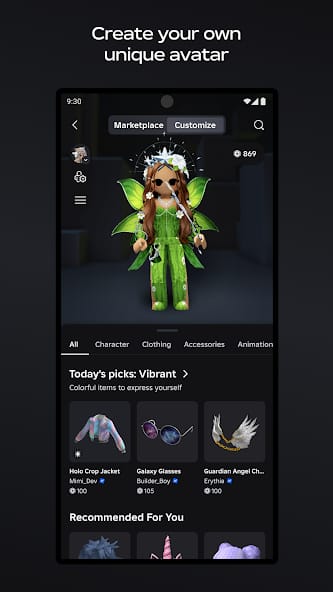
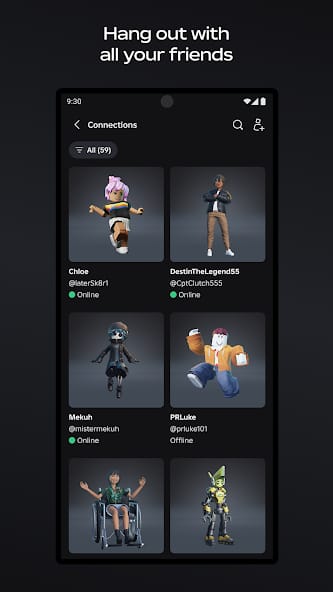
The social systems are Roblox's strongest asset. Integrating a friends list, chat, and avatars at the platform level was a stroke of genius. It ensures that no matter how disparate the experiences are, the social fabric remains intact. This is the glue that holds the universe together, transforming a collection of isolated games into a cohesive social space. However, this is also where significant concerns arise. The research from sources like Common Sense Media and Parents.com highlights the challenges of moderating a platform of this scale, where social interactions between strangers are a core feature. While Roblox has invested heavily in safety features like chat filters and parental controls, the onus remains largely on users and their guardians to navigate these social waters carefully.