
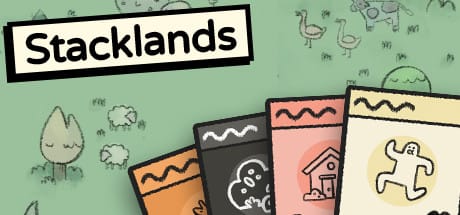


Bottom Line: Stacklands masterfully fuses the deceptively simple act of card stacking with intricate village-building and survival mechanics, delivering an unparalleled, often frantic, strategic experience that defies its minimalist presentation.
Stacklands is a masterclass in elegant system design. Its core gameplay loop is deceptively simple: observe, combine, produce, expand, repeat. Yet, within this straightforward framework lies a strategic labyrinth that quickly escalates from tranquil resource gathering to a frantic symphony of micro-management. The initial hours are a period of pure discovery; the game deliberately offers a minimalist tutorial, pushing players into an experimental sandbox. This "learn by doing" approach is both a strength and a potential source of early friction. Every successful combination, every new card unearthed from a freshly purchased pack, feels like a hard-won revelation, reinforcing the innovative nature of its mechanics.
The true genius of Stacklands resides in how it leverages its card-stacking paradigm to inject fresh life into established simulation tropes. Managing villagers isn't just about assigning tasks; it’s about physically moving their cards, often in rapid succession, to gather food, mine stone, or fell trees. When a wolf card appears, your combat-ready villagers must be swiftly stacked upon it, transforming a passive resource game into an active, real-time tactical engagement. This constant state of flux, where cards are perpetually being created, consumed, and repositioned, forces players to think spatially and react quickly.
However, this inherent dynamism is also the source of the game's most significant challenge. As your village grows, so does the sheer volume of cards requiring attention. The mid-to-late game can quickly devolve into a dizzying ballet of dragging and dropping, where a single missed food production cycle or a neglected combat interaction can spiral into catastrophic village collapse. This micro-management intensity becomes the game's ultimate test, pushing the player's capacity for parallel processing and rapid decision-making to its absolute limit. While immensely engaging for those who thrive under pressure, it can become overwhelming for players seeking a more leisurely pace. The elegant simplicity of the early game gives way to a complex, almost overwhelming density of information and interaction, demanding a high degree of player investment to truly master. The constant threat of resource depletion, coupled with emergent combat scenarios, means there's rarely a moment to breathe, a design choice that both fuels its addictive quality and contributes to its demanding nature. The innovation here isn't just in the card metaphor, but in how that metaphor is rigorously applied to create a distinct and memorable player experience.