
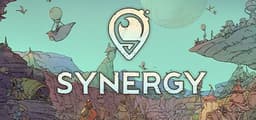
Bottom Line: Synergy is a visually arresting city-builder that swaps the tired "extract and expand" loop for a more thoughtful, demanding dialogue with a hostile ecosystem. It is a striking rejection of genre tropes that prioritizes ecological harmony over industrial domination.
The brilliance of Synergy lies in its refusal to give you the "cheat sheet" to its world. In most colony sims, a tree is wood and a rock is stone. In Synergy, a strange purple bulb might be a source of life-saving medicine, a deadly neurotoxin, or a sacred organism that keeps the local temperature regulated. You won't know until you send a researcher to study it. This epistemological hurdle is the game's greatest strength. It transforms the act of expansion into a cautious, scientific inquiry.
The Gameplay Loop: Knowledge as Currency
The loop starts with the Field Lab. You aren't just clicking buttons; you are assigning pioneers to observe the alien life. This produces knowledge points, which are then spent in the Research Center to unlock actual utility. It’s a two-step process that adds a layer of "onboarding friction" I found refreshing. It slows the pace, forcing you to look at the landscape not as a map to be conquered, but as a puzzle to be solved.
When you finally learn how to purify the toxic water or cultivate the native "Moebius-esque" flora, the sense of accomplishment is genuine. You haven't just built a water tower; you've engineered a solution that respects the local water table. However, this focus on research can occasionally lead to pacing issues. If your research priorities are slightly off, you can find yourself in a "death spiral" where your citizens are dying of thirst while your scientists are busy studying a decorative shrub. It demands a level of foresight that might alienate those looking for a more relaxed experience.
Urban Planning and the District System
Synergy’s approach to infrastructure is equally cerebral. The District System moves away from the "infinite grid" and toward specialized hubs. You have to think about biome compatibility—certain buildings thrive in the arid wastes while others require the humidity of the fungal forests. This spatial puzzle is compounded by the citizens' needs. They aren't just resource-gathering units; they have happiness requirements and social tiers that evolve as your community grows.
The UI, while beautiful, is where the game shows its most significant cracks. There is a lot of information to parse—toxicity levels, weather cycles, citizen health, and research progress—and the menus can feel cluttered and unintuitive during a crisis. I found myself hunting for specific data points that should have been surface-level. It’s a classic case of form winning a minor skirmish against function.
Strategic Depth vs. Survival Tension
The long-range expeditions add a much-needed macro layer to the experience. Sending pioneers out into the fog to uncover ancient secrets provides the narrative "meat" that keeps the sandbox mode from feeling aimless. These stories often mirror the game's core theme: the hubris of previous civilizations who failed to find the very "synergy" the title demands. It’s a strategic experience that manages to be both meditative and stressful, a rare feat in a genre that usually tilts heavily toward one or the other.


