Bottom Line: Synthetik: Legion Rising is a masterclass in mechanical depth that proves friction is a feature, not a bug. It is a relentlessly punishing, deeply rewarding tactical simulator that demands mastery over your tools as much as your reflexes.
The Art of Mechanical Friction
Most shooters treat the "reload" as a passive timer—a brief moment of vulnerability before the fun resumes. Synthetik treats it as a skill check. The game’s Active Reload system requires you to manually eject the magazine with one key and time the chambering of the next with another. Mis-time it, and your gun jams. Panic, and you’ll find yourself fumbling with an empty mag while a Machine Legion sentinel closes the gap.
This is the genius of Synthetik: it introduces tactical friction. By making the fundamental act of shooting difficult, every successful engagement feels earned. You aren't just clicking on heads; you are managing heat buildup, monitoring recoil recovery, and making split-second decisions about whether to vent your weapon or risk a catastrophic malfunction. This mechanical density creates a high-stakes gameplay loop where the greatest enemy isn't just the AI, but your own ability to remain calm under pressure.
The Tactical Loop
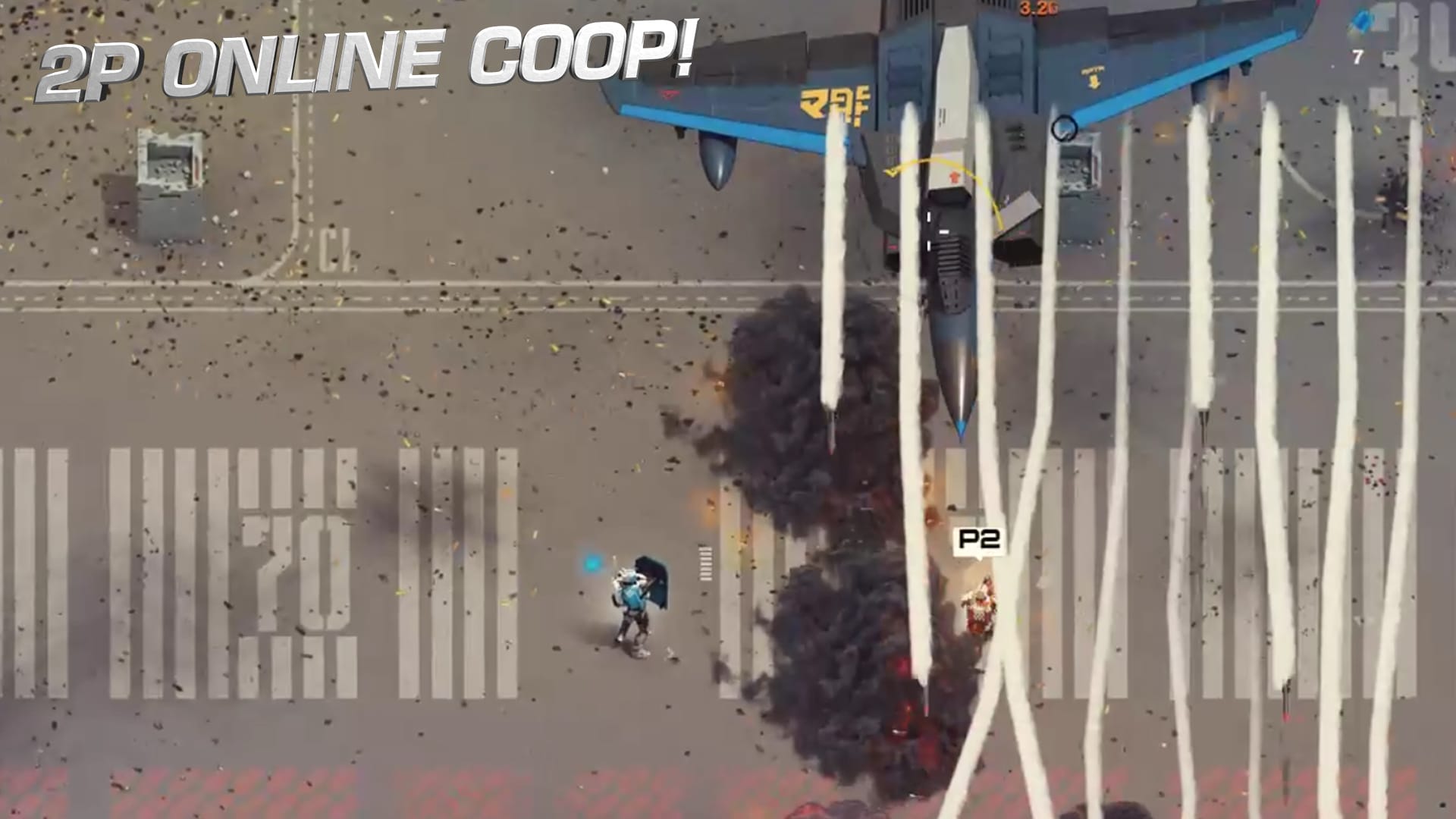
The gameplay loop is built on a foundation of punishing transparency. You know exactly why you died: you moved while firing, ruining your accuracy, or you ignored the heat gauge until your weapon locked up. The movement isn't the fluid, ice-skating drift common in the genre; it’s deliberate. You have to plant your feet to be effective. This shift in philosophy transforms the top-down shooter from a game of evasion into a game of positioning and suppression.
Progression within a run is handled through a sophisticated interplay of class perks and item synergies. Unlike other roguelites where items simply provide "percent-up" buffs, Synthetik’s items often require active activation or have complex triggers. Finding a legendary weapon is only half the battle; the real depth lies in the Kaida research terminals and upgrade stations that allow you to lean into specific archetypes. Whether you’re building a shield-bashing Riot Guard or a cloaked Assassin who relies on one-shot kills, the game provides the tools for incredible build diversity.
Onboarding and Complexity
The barrier to entry is high—arguably too high for some. The initial onboarding friction is significant, as the UI is a dense thicket of stats, icons, and menus that can feel overwhelming. However, for those who persevere, the "Aha!" moment comes when the muscle memory for the active reload takes over. Suddenly, the chaos of a 1980s robot uprising becomes a rhythmic, industrial dance. The game supports 2-player online co-op, which adds another layer of complexity as players must share loot and coordinate fire lanes, though the tactical purity is at its peak when played solo.