

Bottom Line: The Forest delivers an uncompromising, intensely atmospheric survival horror experience, where intelligent AI and a genuinely unsettling narrative elevate it far beyond mere resource management. This is not a casual foray into the wilderness; it is a relentless, psychological gauntlet.
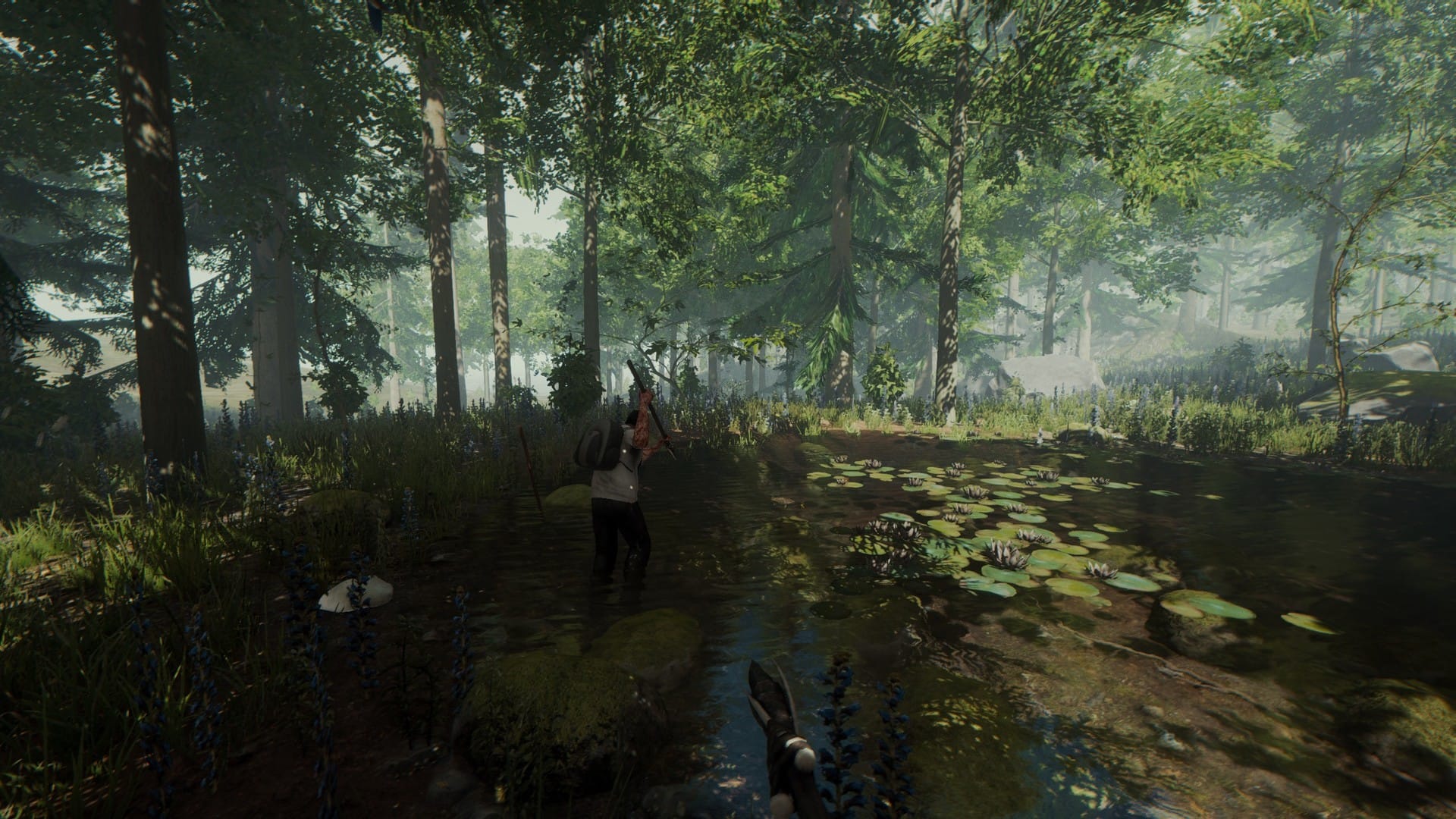
The Forest's enduring appeal isn't found in a checklist of features, but in the insidious way its core mechanics converge to create an almost suffocating sense of vulnerability. The survival loop itself is deceptively simple at a glance: gather, build, eat, defend. Yet, its execution is anything but. Chopping down the colossal trees that dominate the landscape is a rhythmic, almost meditative act, until the unsettling snap of a twig or a distant shriek shatters the calm. Resource management transcends mere inventory juggling; it becomes an existential calculation. Do you risk venturing deeper into the forest for rarer materials, or fortify your burgeoning base against an inevitable nocturnal assault? Every decision carries palpable weight. The crafting system, while occasionally clunky in its initial onboarding, quickly becomes second nature, allowing for impressive architectural feats and a personalized approach to both defense and offense.
The true antagonist, however, is not the wilderness but its denizens. The AI of the cannibalistic mutants is the game's crowning achievement. These are not static enemies; they evolve. Initially, they might observe from a distance, sending scouts, testing your defenses. Over time, their tactics escalate: coordinated patrols, flanking maneuvers, even attempts to dismantle player-built structures. This adaptive behavior instills a profound sense of paranoia. You're never truly safe, always anticipating the next patrol, the next scream from the treeline. This emergent narrative, driven by your interactions with the AI, often overshadows the scripted story beats found below ground.
Subterranean Horrors and Narrative Breadcrumbs
Beneath the verdant canopy lies an expansive network of cave systems, dark, claustrophobic, and teeming with unspeakable horrors. This is where the game's unsettling narrative truly unfolds. Environmental storytelling excels here, with disturbing tableau and fragmented clues painting a picture of an island steeped in occult rituals and horrifying experiments. The shift from open-world survival to linear, dread-laden exploration within these subterranean labyrinths is jarring yet effective. It's a masterclass in pacing, providing periodic, intense bursts of narrative progression that fuel the broader survival motivation. While the learning curve for understanding the story's nuances can be steep—often requiring meticulous exploration and piecing together disparate clues—the eventual revelations are genuinely impactful, imbuing the surface-level survival with a deeper, more disturbing context. The cooperative mode, while alleviating some of the isolation, often amplifies the chaos, turning tense encounters into comedic blunders or desperate, shared victories, fundamentally altering the survival dynamic.