
Bottom Line: A chilling masterclass in narrative tension that proves leadership is less about heroism and more about deciding who is most expendable when the coal runs out.
The brilliance of The Pale Beyond lies in its refusal to offer easy outs. Most survival games eventually allow the player to reach a "plateau of safety" where resources become automated or abundant. Saltstone Studios denies you this comfort. The game operates on a 35-week timeline, and every single one of those weeks is a calculated gamble against the math of starvation.
The Survival Architecture
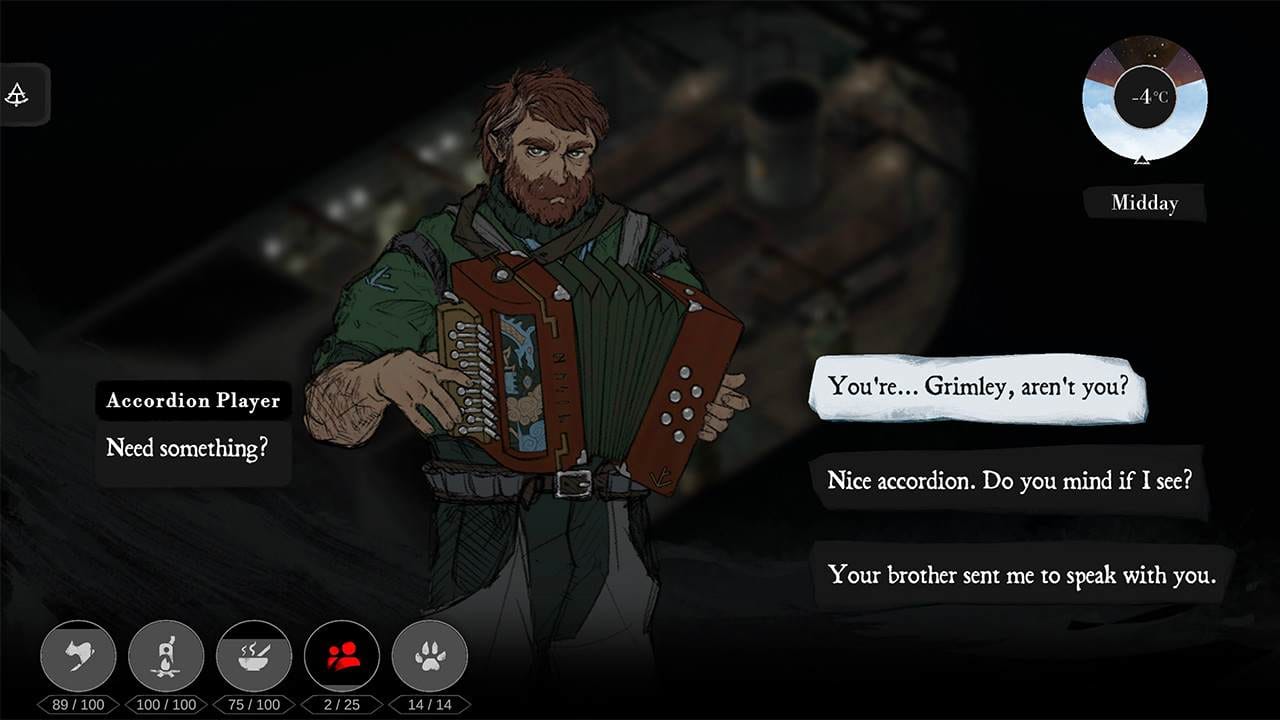
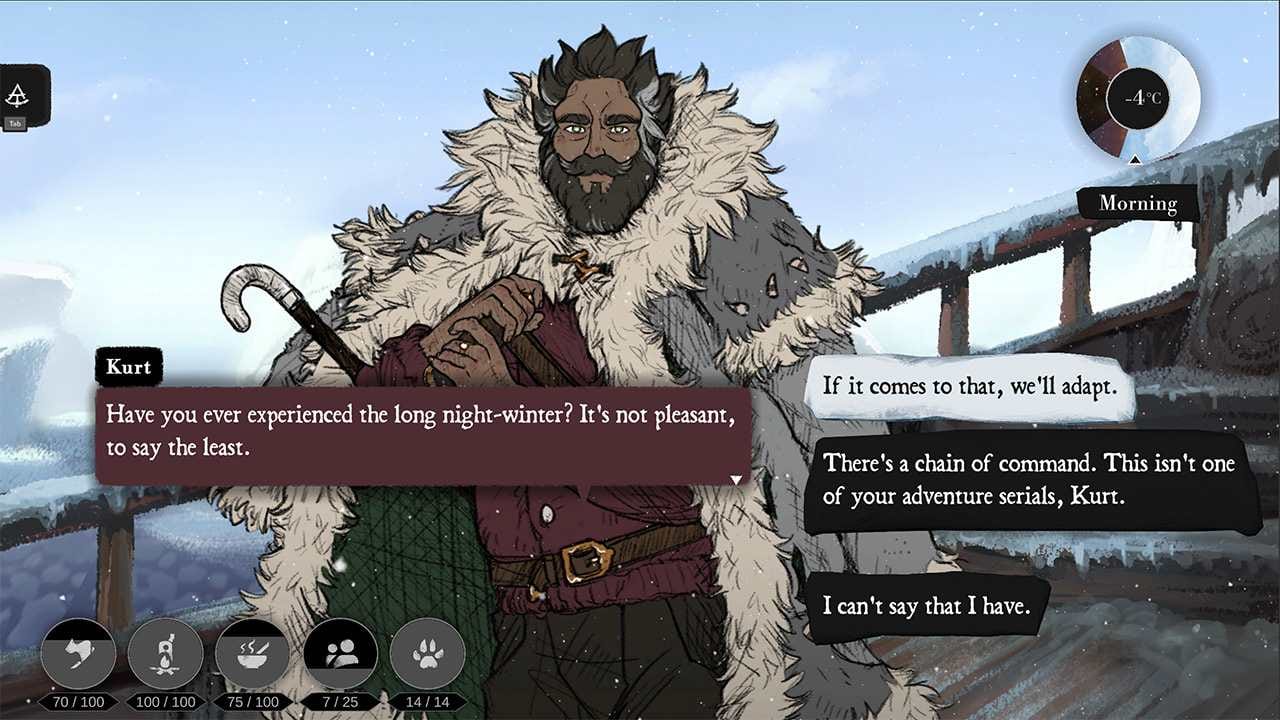
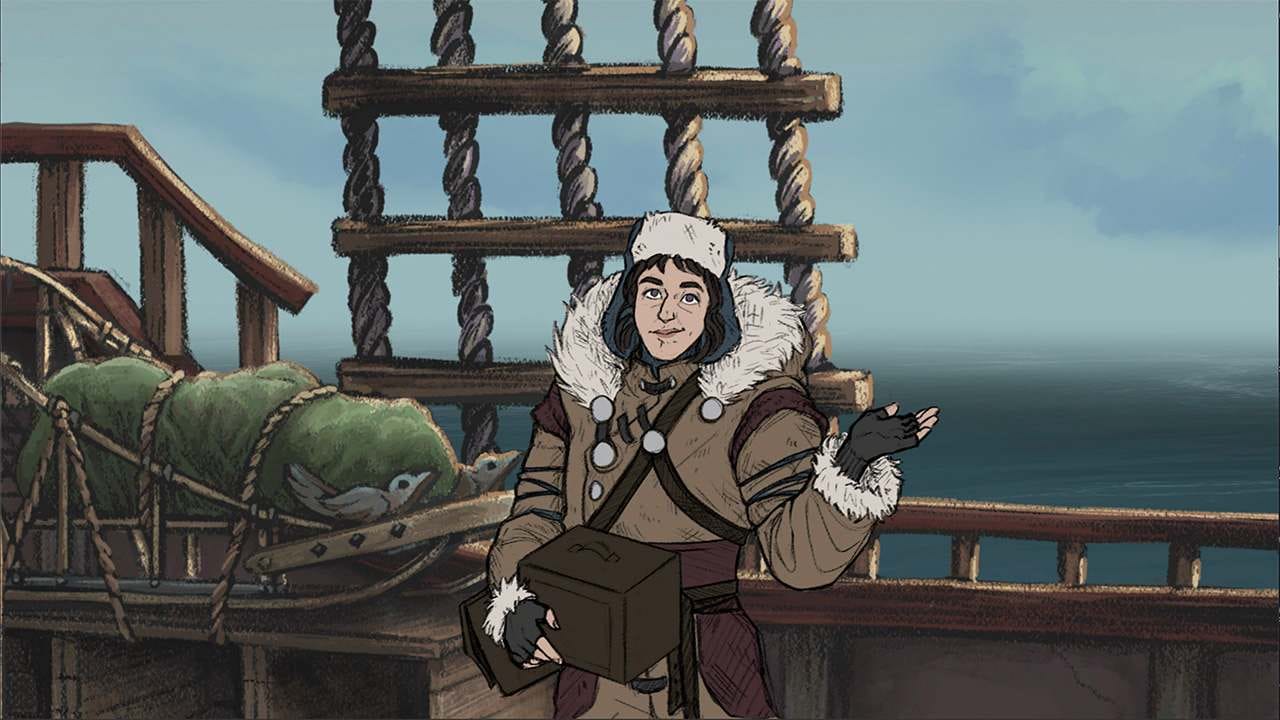
The gameplay loop is split between Visual Novel storytelling and Strategic Resource Management. During the week, you navigate the ship (or the camp, as the situation degrades), speaking with specialists like the ship’s doctor, the scout, or the engineer. These aren't just "quest givers." They are assets. If the engineer dies because you didn't prioritize his heater, you lose the ability to efficiently repair the hull. This creates a mechanical friction where your emotional attachment to a character is constantly at war with their utility to the group.
The Decorum system is the game’s secret sauce. In other titles, "morale" is often a generic buff. Here, Decorum represents the thin line between a functioning expedition and a lynch mob. If you lie to the crew about the Captain’s disappearance to keep them focused, you might save their spirits today but face a catastrophic collapse in trust when the truth inevitably surfaces. The writing is sharp, cynical, and avoids the "good vs. evil" binary. Often, the "right" choice is simply the one that kills the fewest people this week.
The Weight of Choice
Managing the sled dogs is perhaps the most emotionally manipulative—and effective—part of the experience. They are vital for scouting and fetching supplies, but they also eat. When the food runs low, the game doesn't just ask you to "delete an asset." it forces you to look at the "14 sled dogs" entry on your ledger and decide if their lives are worth more than the crew's. It’s harrowing precisely because the game treats these choices with the gravity they deserve.
The narrative structure is remarkably resilient. Unlike many branching stories where the "illusion of choice" is transparent, The Pale Beyond feels reactive. A specialist you alienated in Week 4 might be the only one who can save you in Week 20. If they’re gone—or if they simply don't like you—the game doesn't cheat to save you. You simply face the consequences. This creates a genuine sense of narrative stakes that most AAA titles are too afraid to implement.