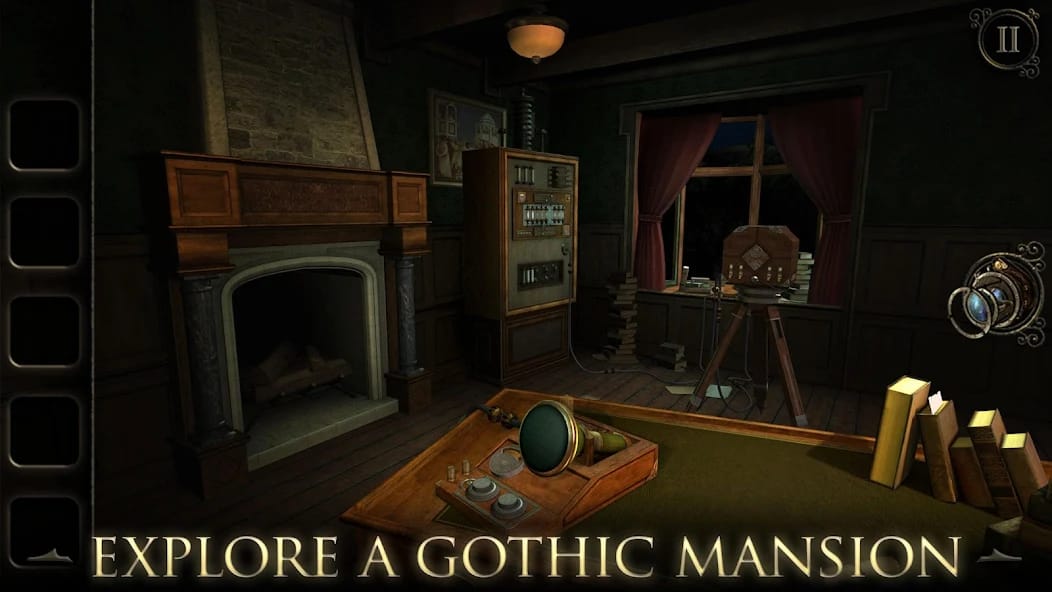
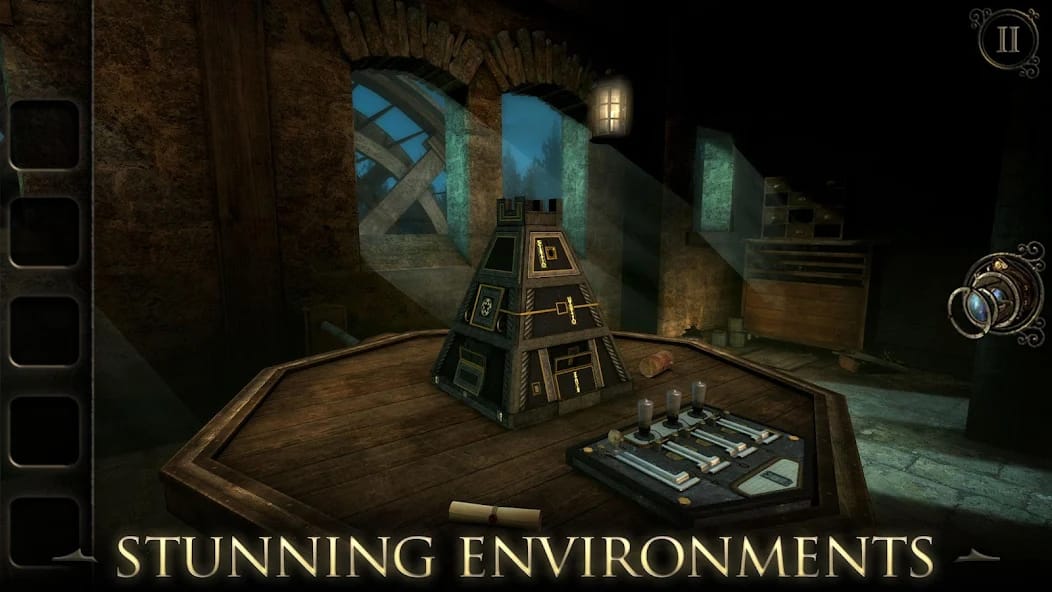
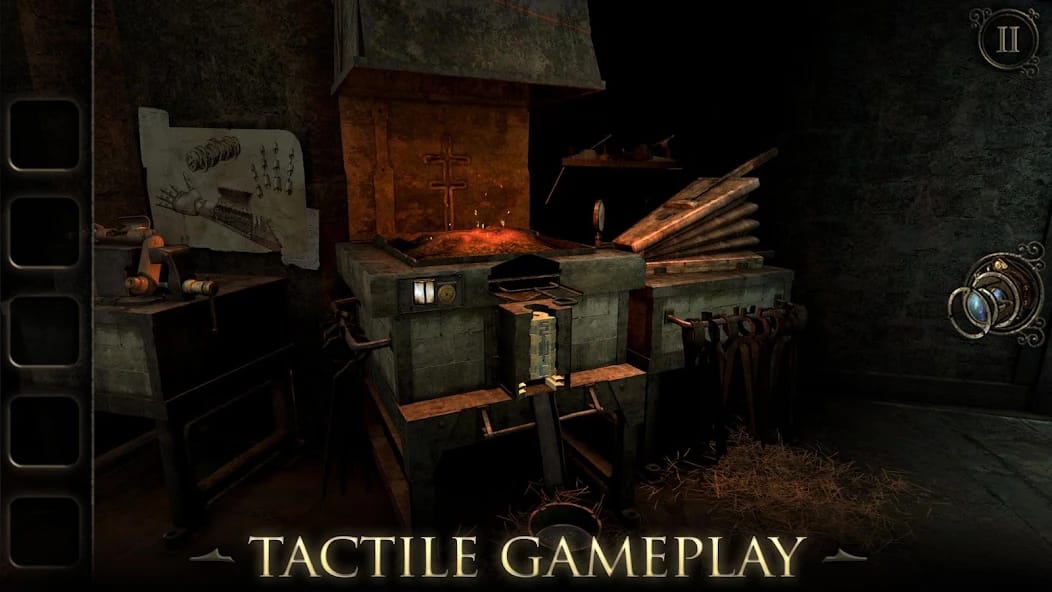

Bottom Line: Fireproof Games masterfully expands its signature puzzle-box formula into a full-fledged world. It’s a larger, more ambitious, and brilliantly intricate machine that occasionally sacrifices the claustrophobic focus of its predecessors for a grander sense of discovery.
The primary triumph of The Room Three is how it expands its scope without collapsing under the weight of its own ambition. This is a delicate balancing act. The magic of the original titles was their intense, almost microscopic focus. Here, that focus is diffused across entire rooms, and the effect is immediately noticeable.
From Microcosm to Macrocosm
The gameplay loop is no longer just about the object on the table; it’s about the entire room. You might find a uniquely shaped key in one corner, use it to activate a device across the hall, which in turn reveals a lens needed for a telescope in the observatory upstairs. This shift fundamentally alters the player’s mental model. It demands a different kind of awareness, one that tracks not just the state of a single puzzle box, but the state of a whole ecosystem of interlocking parts. For the most part, this works beautifully. It creates longer, more involved puzzle arcs that feel like genuine journeys of discovery. The "aha!" moment is no longer just "I solved the box," but "I solved the room."
However, this expansion introduces a necessary evil: friction. There is inevitably more backtracking. Forgetting where a specific socket or symbol was located means a tedious trek through previously explored areas. The tight, self-contained feedback loop of the originals is replaced by something more sprawling. It never becomes a deal-breaker, thanks to a well-designed inventory system and logical environmental design, but the pristine efficiency of its predecessors is occasionally lost.
The Narrative Thread
The story, told through a series of letters from a shadowy antagonist, is more present than ever. It provides a much-needed context for the puzzles, framing them as a test or an initiation. The introduction of branching endings, tied to your curiosity and willingness to solve optional, more obscure puzzles, is a masterstroke. It reframes exploration as a narrative choice. Are you content to simply escape, or do you dare to uncover the deeper truth? This elevates the experience, providing a powerful incentive to poke and prod at every corner of the environment. The narrative isn't going to win any literary awards, but it’s an effective and atmospheric vehicle for the gameplay.