
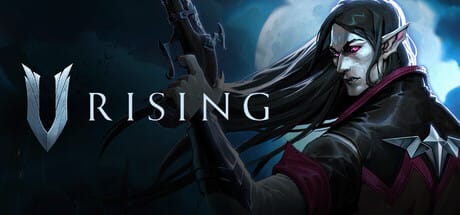



Bottom Line: V Rising is a masterclass in genre-blending that transforms the often-tedious survival loop into a high-stakes power fantasy. It’s Valheim in a cape, offering a visceral, combat-heavy experience that finally makes being a vampire feel as dangerous as it does dominant.
The core of V Rising’s brilliance lies in its Progression Loop. In most survival games, you build better tools to get better resources to build better tools. Here, the loop is centered on the V Blood. These are not just generic encounters; they are choreographed boss fights that require specific builds and tactical awareness. Defeating a boss doesn't just give you a "level up"; it gives you a utility shift. You might gain the ability to turn into a wolf for faster travel, or unlock the forge required to move into the next tier of weaponry. This makes every hunt feel like a pivotal moment in your character’s evolution rather than a grind for numbers.
The Combat Precision
The combat system is where Stunlock’s expertise shines brightest. Unlike the floaty, stat-reliant combat of many survival contemporaries, V Rising is rigidly skill-based. Every spell is a skill-shot, and every movement counts. Whether you’re dodging a holy paladin’s strike or timing a counter-spell against a necromancer, the feedback loop is instantaneous and rewarding. This elevates the stakes of PvP warfare, where clan-based raids become tactical ballets rather than just "who brought more friends."
Blood as a Resource
The Blood Type mechanic is a stroke of thematic genius. By feeding on different NPCs—scholars, workers, warriors—you inherit a percentage of their "quality," which translates into specific buffs. A high-quality "Worker" blood type might increase your resource yield, while "Warrior" blood buffs your physical prowess. This forces the player to be selective and strategic about their prey. You aren't just eating to stay alive; you are hunting for the specific biological advantage required for your next objective.
The Castle as a Character
Base building in V Rising isn't just about aesthetics; it’s about logistics and atmosphere. Your castle heart must be fed with blood essence to keep the fortress from decaying, and the layout of your crafting rooms matters for efficiency. Converting humans into loyal servants to go on resource-gathering missions adds a layer of management that feels appropriately "Lord of the Manor." However, it’s worth noting that the late-game resource requirements can occasionally tilt into a noticeable grind. Scouring the world for thousands of bricks and planks to finish a grand hall can feel like a chore, though the visual payoff of seeing your gothic spire pierce the skyline usually mitigates the frustration.